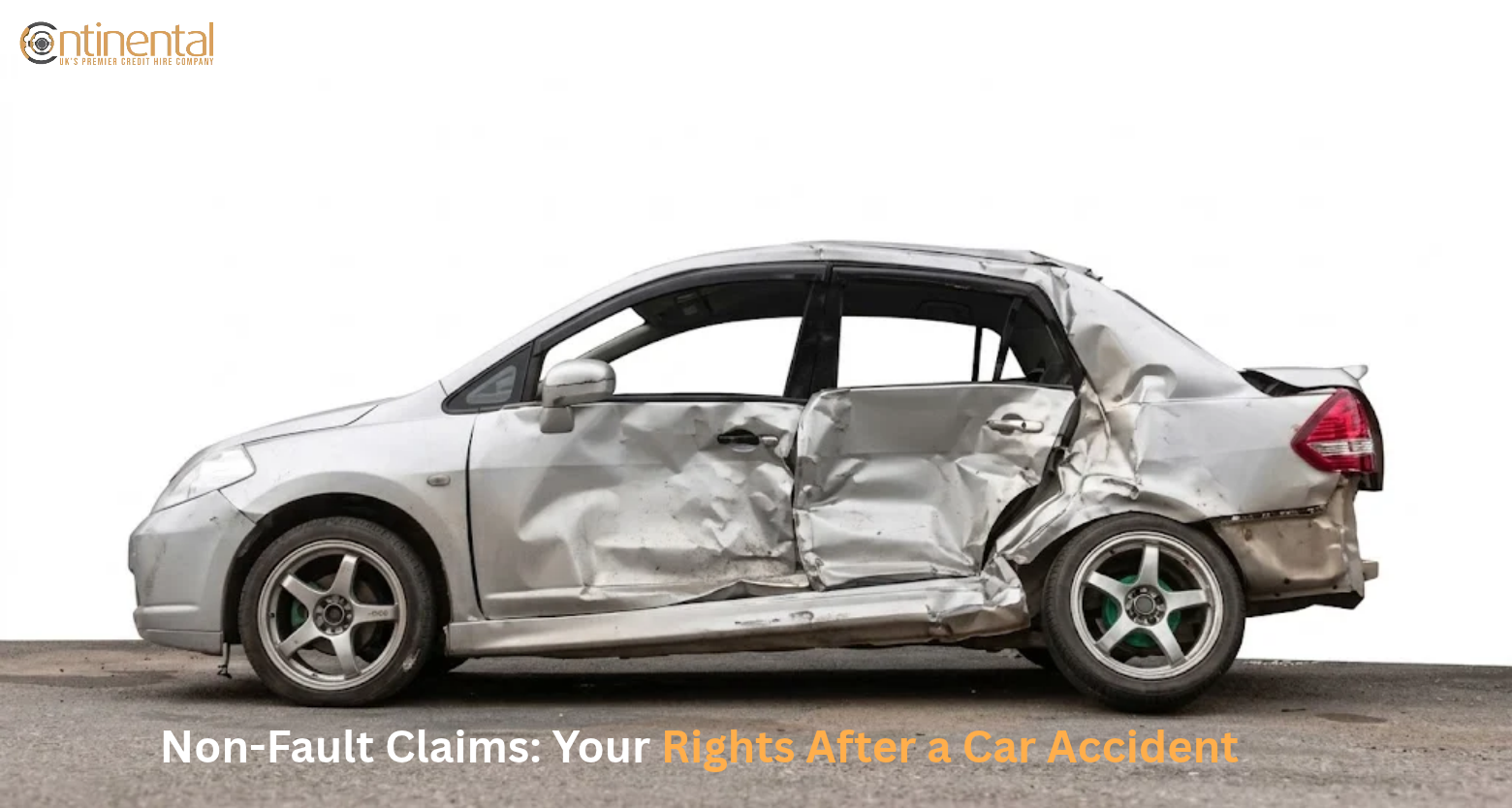
Non-Fault Claims: Your Rights After a Car Accident
A non-fault accident car hire UK service gives you a replacement car

Home » Automotive Blog » How to Claim for a Road Traffic Accident
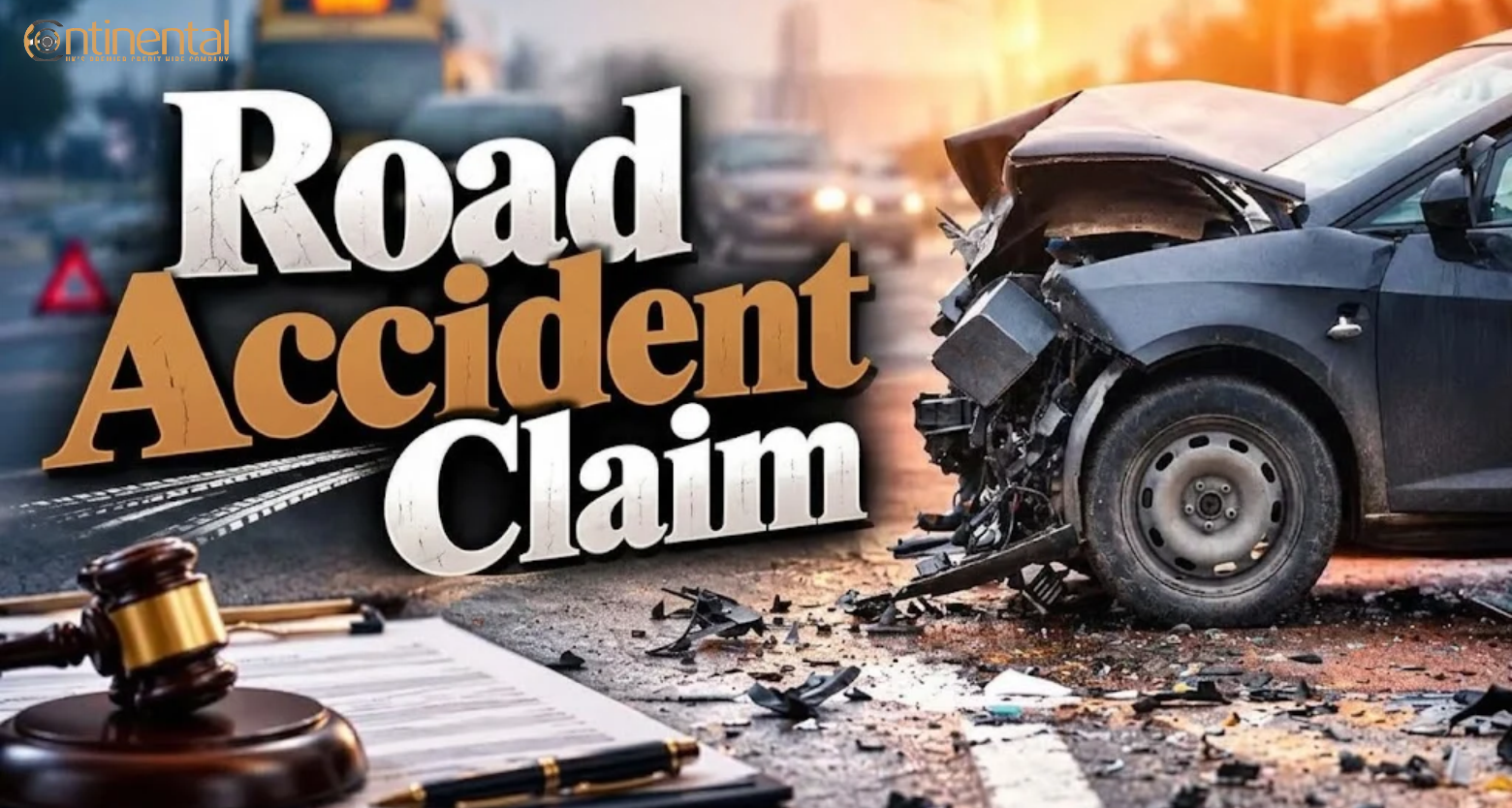
Take photos of the damage and scene, write down witness details, note vehicle registrations, and get a police reference number if the police were called. After that, report the accident where required, tell your insurer, and seek medical attention if you are injured. The right claim process then depends on who you were in the accident with, how serious your injuries are, and whether the other driver was insured. For example, an eligible adult driver with a minor injury may use the Official Injury Claim service. A cyclist, pedestrian or motorcyclist follows a different route. The process can differ for claims involving children or collisions caused by drivers who are uninsured or cannot be identified.
This article explains how to claim road traffic accident compensation in the UK, from claim requirements to the process.
The table below provides a quick way to see which claim framework may apply before you follow the detailed steps:
Road User / Category | Applicable Route / Body | Key Criteria & Limits |
Eligible Adult Drivers & Passengers | Official Injury Claim (OIC) Service | For England and Wales; personal injury up to £5,000; total claim under £10,000 small claims limit. Includes qualifying whiplash. |
Pedestrians, Cyclists & Motorcyclists | Standard Personal Injury Claims Process | Excluded from the OIC portal. Requires a standard claims track due to higher risks of severe fractures, head, or spinal injuries. |
Children & Protected Parties | Court-Approved Litigation Process | Requires a “litigation friend” (parent/guardian) to act on their behalf. Court approval is mandatory to finalise settlements. |
Uninsured or Untraced Drivers | Motor Insurers’ Bureau (MIB) | Special scheme handling hit-and-run or uninsured driver incidents, provided proper evidence and police reports are secured. |
The first thing to establish is which type of claim you may have. You should not assume that every road accident follows the same process.
Your position in the accident, your age, the severity of your injury, and the insurance status of the other driver can all affect the route available to you.
If you are an eligible adult driver or passenger with a qualifying minor injury, the Official Injury Claim (OIC) service may apply in England and Wales.
The service covers certain lower-value road traffic injury claims. For eligible claims, the personal injury element must be within the applicable £5,000 limit, while the overall claim can fall within the relevant £10,000 small claims limit.
Whiplash is one of the main injuries dealt with under this system. Where the statutory tariff applies, compensation for the qualifying whiplash injury depends mainly on the duration of symptoms and the applicable tariff.
Passengers can also claim for their own injuries. For example, if you were a passenger and the driver caused the crash, you may still be able to claim against their insurer.
Key point: Being a passenger does not remove your right to make an injury claim simply because you were travelling in the vehicle involved.
Pedestrians, cyclists and motorcyclists are treated differently from occupants of cars, vans and other vehicles.
These road users are excluded from the standard Official Injury Claim route. Therefore, if you were injured while walking, cycling or riding a motorcycle, you should not assume that you need to use the same online process as an eligible vehicle occupant.
This distinction is particularly important because vulnerable road users can suffer serious injuries in collisions. A crash may involve fractures, head injuries, spinal injuries, or other injuries requiring longer-term treatment.
As a result, the appropriate claim route can depend heavily on the nature and seriousness of the injury.
Remember: The OIC process is not the universal route for every road traffic accident injury.
Children and protected parties have different claim arrangements. A child cannot simply handle an injury claim in the same way as an eligible adult. An adult, usually a parent or another suitable person, may need to act as a litigation friend on the child’s behalf.
Court approval may also be required before a settlement can be finalised. This helps protect the interests of the child. The same principle applies to people who lack the legal capacity to conduct proceedings themselves. Their claims require the appropriate legal safeguards.
Therefore, if a child has been injured in a road accident, it is sensible to obtain useful legal advice rather than trying to follow the standard adult process.
The situation changes again if the driver who caused the accident had no insurance or cannot be identified. In these circumstances, you may be able to make a claim through the Motor Insurers’ Bureau (MIB).
This can include accidents involving uninsured drivers and certain hit-and-run or untraced driver situations. The evidence you have can still matter, so keep photographs, witness information, police details and other records wherever possible.
If the other driver left the scene, report the incident to the police and keep the reference number.
The important first step is to identify the correct route before starting the claim.
Once the immediate danger has passed, focus on three things: safety, evidence, and reporting. You do not need to work out the full compensation claim at the roadside.
If it is safe to do so, photograph the scene before vehicles or other evidence are moved.
Take clear photographs of:
Share your details and get the other driver’s details. This normally includes names, addresses, and vehicle registration details. Insurance information may also be needed.
Take the contact details of eyewitnesses. An independent witness may become useful later if the circumstances of the accident are disputed.
If you have dashcam footage, save a copy promptly to help preserve the evidence. Many recording systems replace older footage with new recordings, meaning useful evidence could disappear if action is delayed.
Safety comes first: Do not put yourself or anyone else in danger to collect evidence.
The police should be contacted when the circumstances require it. If you did not exchange the required details at the scene, you should report the accident.
Call 999 if there is an emergency or someone is in immediate danger. For non-emergency police matters, call 101.
You should also inform your vehicle insurer about the accident, as your policy may require you to do so. This can still apply even if you do not intend to make a claim through your own insurer.
If you have suffered an injury, get medical attention. Some injuries may become clearer after the initial shock of a collision has passed.
Medical records can also provide useful evidence of the injury and its development. However, the main reason to seek treatment is your health, not simply the paperwork.
Now establish the route that fits your circumstances. For an eligible adult driver or passenger with a qualifying lower-value injury, the Official Injury Claim service may be available.
However, it does not cover everyone. Vulnerable road users, children, and certain protected parties are outside the standard route. Claims involving uninsured or untraced drivers may instead involve the MIB.
The seriousness of the injury also matters. The claim process can vary significantly depending on the severity and type of injury, with serious head, spinal, or multiple injuries often requiring a different approach from minor soft-tissue injuries. So, before you submit anything, check that the process you are using actually applies to your situation.
Once you have identified the correct route, provide the required information about the accident and your injuries. For an eligible OIC claim, this includes information about the collision, the vehicles involved, your injuries, and the person you believe caused the accident.
The relevant insurer, known as the compensator, then considers the claim and investigates responsibility. They may accept responsibility, dispute it, or argue that you contributed to the accident.
For example, an insurer might argue that another road user shared some responsibility for what happened. This is known as contributory negligence.
That is why the evidence collected at the scene can become important later. Photographs, dashcam footage, CCTV, witness accounts and vehicle damage can all help establish what happened.
Liability and injury are also separate issues. An insurer may accept that its driver caused the collision while still requiring medical evidence to establish the injury and its impact. Once the liability and initial claim stages are dealt with, the process can move towards medical evidence and assessment of the losses.
Medical evidence helps establish what injury you suffered, how it affects you and how long recovery may take. Therefore, seek appropriate medical attention and keep records of treatment, appointments and any ongoing symptoms.
Where the relevant road traffic accident procedure applies, you may need an independent medical assessment. The report can consider your symptoms, diagnosis, treatment and expected recovery.
During the assessment, explain the problems you are actually experiencing. For example, tell the medical expert if pain affects your sleep, work, driving, or normal activities. Be accurate rather than trying to make the injury sound better or worse than it is.
The injury is not necessarily the only part of the claim. You may also be able to claim for certain financial losses linked to the accident or your injuries.
Depending on your circumstances, these could include:
Keep receipts, invoices, payslips, and other documents that support these losses. Also, make a simple note of when each expense occurred and why you needed to pay it.
Keep your evidence together from the start. It is much easier to support a loss when you have the document to show exactly what you paid.
Once the necessary evidence has been gathered, the insurer or compensator may make a settlement offer. Do not look only at the main injury figure. Instead, check whether the offer also reflects the financial losses you have properly supported.
For qualifying whiplash claims, the statutory tariff can determine the compensation for the relevant whiplash injury. However, eligible additional losses may be considered separately.
If you believe something has been missed or valued incorrectly, the relevant claims process may allow you to challenge the offer or negotiate further.
Do not feel pressured to accept an offer simply because one has been made. Make sure you understand what the settlement covers before agreeing to it.
Some claims settle after liability, medical evidence, and financial losses have been agreed. However, others remain disputed. A disagreement may be about who was responsible for the accident, how serious the injury is, or how much compensation is due. In those situations, further negotiation may be needed.
For complex or serious claims, seeking useful legal advice can help you understand the options available to you. This can be particularly important where the injury has a long-term effect or liability remains unclear.
The important point is that not every road traffic accident claim follows the same timeline. Your circumstances determine what happens next.
You can avoid many unnecessary problems by taking a few simple precautions after the accident:
A personal injury claim is only one part of the disruption caused by a collision. If your vehicle is damaged or unavailable, you may also need transport for work, family commitments and everyday journeys.
A standard insurance courtesy car is not automatically available after every accident. Your policy, repair arrangements and the circumstances of the collision can all affect whether one is provided.
However, eligible drivers involved in a non-fault accident may have other replacement vehicle options. The type of vehicle you need, why you need it and how long your own vehicle is unavailable can all be relevant.
This does not relate to the personal injury part of your claim. Your injury claim deals with eligible injuries and losses, while replacement transport deals with your need to remain mobile.
Therefore, keep records showing what happened to your vehicle, where it is being repaired and why you need alternative transport.
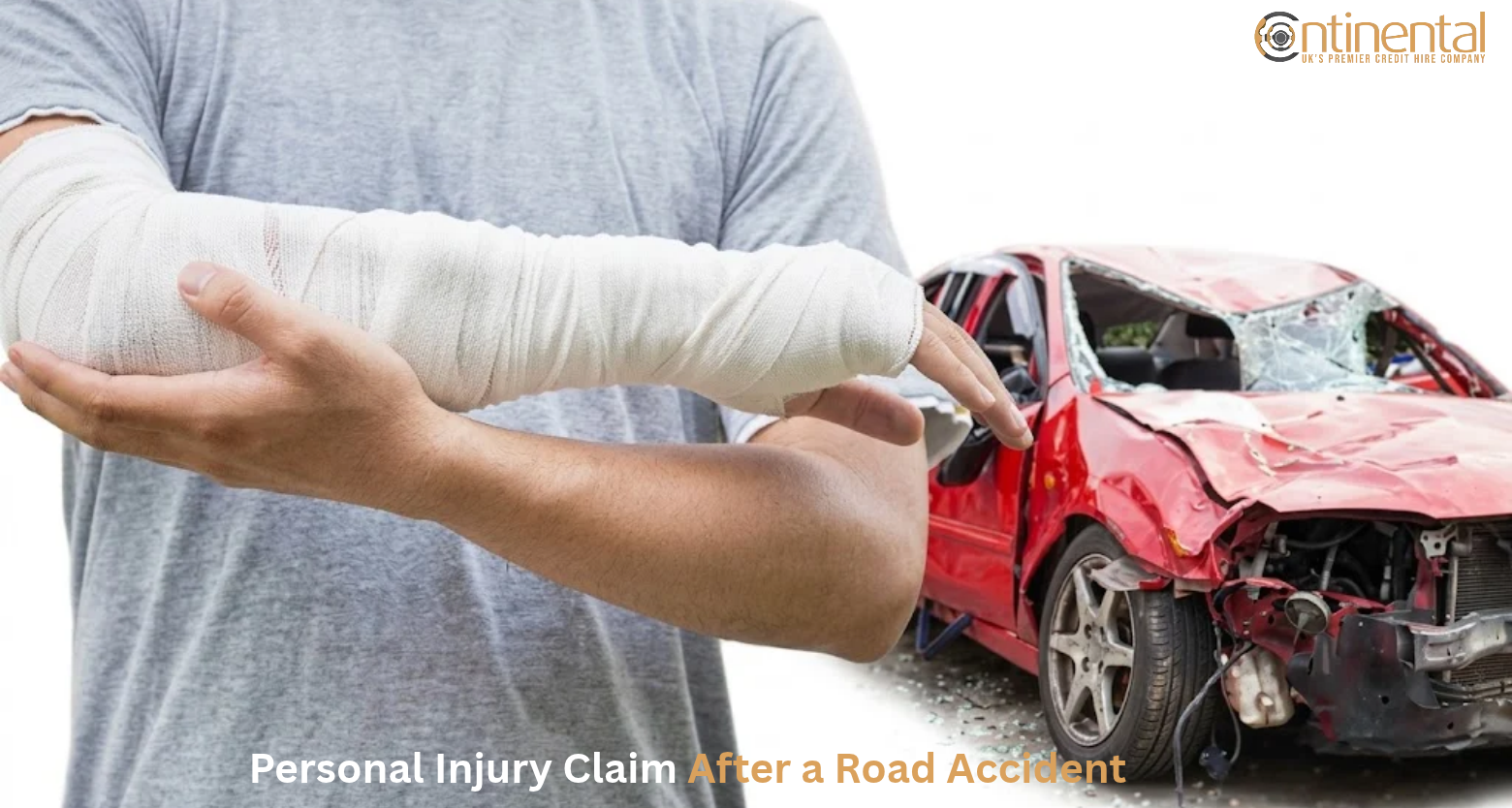
Personal injury claims in England and Wales generally have a three-year limitation period, although exceptions apply in certain circumstances. For example, different rules can apply to children and people who lack the legal capacity to conduct proceedings themselves.
Do not treat the three years as a reason to wait. Starting early gives you more time to gather evidence, obtain medical information and deal with any dispute over responsibility. If your case is serious, complicated or approaching its limitation period, appropriate legal advice can help clarify the position.
Knowing how to claim road traffic accident compensation in the UK, drivers may need to start with understanding that there is no single process for everyone. Your role in the accident, age, injury severity, and whether the other driver was insured can all change the route. Start by preserving evidence, reporting the accident where required, and seeking appropriate medical care. Then establish liability, choose the correct claim process, and record every relevant loss. If the accident leaves you without transport, consider replacement vehicle options separately from the personal injury claim.
Drivers, passengers, pedestrians, cyclists and other road users may be able to claim where another party caused an eligible injury or loss.
Yes. A passenger may claim for injuries caused by a road accident, even where the driver of the vehicle they occupied was responsible.
No. Cyclists are classed as vulnerable road users and are excluded from the RTA Small Claims Protocol.
Yes. A pedestrian may have a personal injury claim where another party caused their injury. However, pedestrians are excluded from the standard RTA Small Claims Protocol.
Potentially. The Motor Insurers’ Bureau handles eligible claims involving uninsured and untraced drivers, subject to its scheme requirements.
Personal injury claims generally have a three-year limitation period in England and Wales, although different rules can apply to children and protected parties.
Not always. Eligible adults can handle qualifying lower-value claims through the Official Injury Claim service, while serious or complex cases may require legal assistance.
Eligible vehicle occupants with qualifying whiplash injuries may receive compensation under the statutory tariff. The applicable amount depends on the relevant tariff rules and injury duration.
Potentially. Lost earnings may form part of an accident-related financial loss where the loss resulted from the injury and is supported by suitable evidence.
Potentially. Eligible drivers may have replacement vehicle options while their own vehicle is unavailable, depending on the accident circumstances and their transport needs.
Being without your vehicle can make an already difficult accident harder. If your car is damaged, being repaired, or unavailable, you may need another vehicle to continue working and manage your daily commitments.
Continental Car Hire is a trusted replacement vehicle provider, helping eligible drivers arrange suitable replacement vehicles after non-fault accidents. With 22+ years of experience and an updated fleet of 200+ vehicles, the team provides vehicle solutions based on the driver’s circumstances and requirements.
Depending on your location and circumstances, we can arrange help in around 90 minutes. Plus, eligible drivers involved in a non-fault accident can access replacement vehicles with nothing to pay upfront. Call +44 208 743 7469 to get help today.
A non-fault accident car hire UK service gives you a replacement car
A non-fault accident car hire UK service gives you a replacement car

A non-fault accident car hire UK service gives you a replacement car
A non-fault accident car hire UK service gives you a replacement car

A non-fault accident car hire UK service gives you a replacement car
A non-fault accident car hire UK service gives you a replacement car
Copyright © 2026 Continental Car Hire Ltd. All Rights Reserved.
Continental Car Hire Ltd is authorised and regulated by the Financial Conduct authority (FRN 711301)