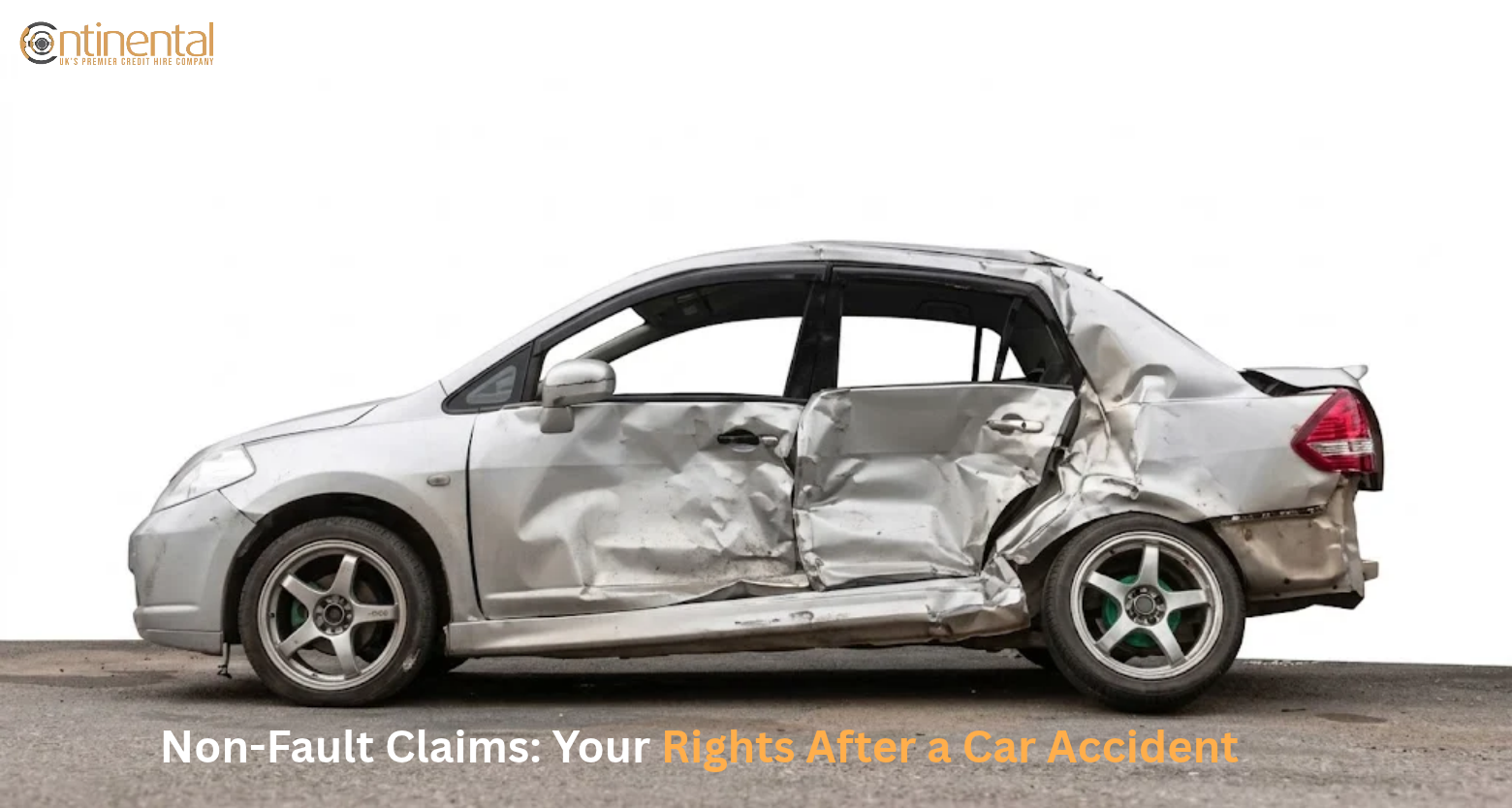
Non-Fault Claims: Your Rights After a Car Accident
A non-fault accident car hire UK service gives you a replacement car

Home » Automotive Blog » How to Make a Personal Injury Claim After a Road Accident in the UK
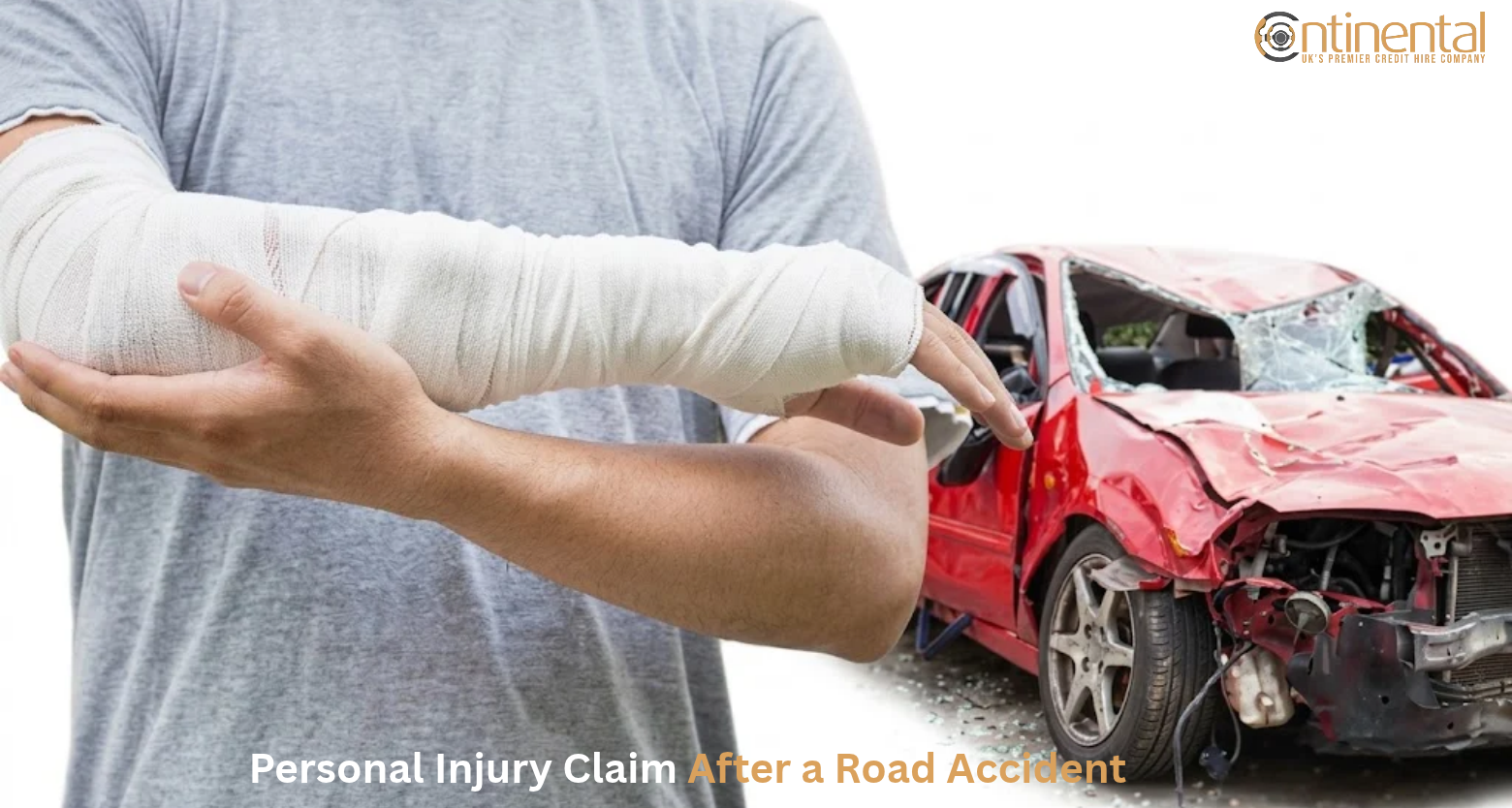
To make a personal injury claim after a road accident in the UK, you must report the accident to your insurer and gather evidence. This can include photos, witness details and medical records. Eligible minor injury claims in England and Wales can use the Official Injury Claim service. Claims outside its rules may need legal advice.
The Official Injury Claim service only applies to eligible accidents in England and Wales. Scotland and Northern Ireland follow separate legal frameworks and procedures. The appropriate claims process may vary according to the accident details, the injuries involved, the compensation sought, and the party potentially at fault.
A personal injury claim can seek compensation when another person’s actions caused your injury. After a road accident, the claim may cover the injury itself and certain financial losses linked to it.
However, an accident does not automatically mean compensation is due. You need evidence showing what happened, how you were injured, and why another party may be responsible.
Several parts can affect a claim:
These issues are separate. For example, you may have clear medical evidence but still face a dispute about who caused the accident.
If the claim is successful, personal injury compensation may provide financial recovery for harm sustained in the accident. Depending on the circumstances, it may include certain financial losses caused by the injury.
These losses can include lost earnings, treatment costs, and reasonable travel expenses. Each loss must meet the relevant rules and should be supported by evidence.
There is no standard payout for every road accident. The amount awarded will depend on factors such as the injury’s seriousness, the available evidence, liability, and the financial losses suffered.
The claim process can vary, but the same practical actions can help protect your position. You should report the accident, preserve evidence, and get suitable medical care.
Notify your insurer about the collision, even if you do not intend to make a claim under your policy. UK rules require you to report an accident to your insurance company. Record the date, location, and basic details. Keep the other driver’s information where available. If the police attended, keep any reference number they gave you.
Record everything in writing while the events remain clear in your memory.
Include useful facts about the road, traffic, weather, and direction of travel. Provide a detailed account of the events leading up to the crash, what occurred at the point of impact, and what happened afterwards.
Avoid guessing. If you cannot remember something clearly, say so rather than filling in missing details.
Keep photographs, videos, and dashcam footage wherever available. Photos may document the damage to the vehicles, the condition of the road, and where the vehicles were positioned.
Dashcam recordings may capture the moments leading up to the crash. Contact information from witnesses can also help when the drivers provide conflicting versions of events. Keep the original files where possible.
Seek suitable medical care if you have been injured.
A medical assessment can record your symptoms and treatment. It can help show the nature of your injury and how it affects your recovery.
For eligible Official Injury Claim cases, a medical expert assesses the injury and prepares a report. This report helps assess the level of compensation appropriate for the injury.
Keep documents showing money you have lost because of the injury.
Payslips can help support a loss of earnings claim. Receipts may support relevant treatment, travel or other expenses.
Keep these records throughout the claim. Small costs can be easy to forget without a written record.
Official Injury Claim is not suitable for every injury arising from a road collision. Where a claim meets the eligibility requirements, the service applies to personal injury cases worth up to £5,000. The overall claim must generally be no more than £10,000, subject to the rules and exclusions that apply.
Official Injury Claim applies to eligible accidents in England and Wales from 31 May 2021 onwards. It is designed for people aged 18 or over who were inside a vehicle and believe another person was responsible.
If your circumstances do not meet these conditions, seek appropriate legal advice about the route available to you.
A personal injury solicitor can explain your legal position and the evidence needed for your claim.
Legal advice can be useful where the injury is serious, liability is disputed, or the claim falls outside Official Injury Claim. You may choose professional representation rather than managing the claim yourself. For eligible OIC claims, you can manage the claim yourself through the portal. Legal representation is not compulsory.
Step 8 — Review Any Settlement Offer
Check an offer carefully before accepting it.
Consider whether the medical evidence reflects your injury and whether relevant financial losses have been included. If you have legal representation, ask your solicitor to explain the offer.
Once a settlement is accepted, your ability to seek further compensation for matters covered by that settlement may be restricted.
Drivers and passengers can potentially make a personal injury claim when another party may be responsible for their injuries. The correct claim route depends on the circumstances.
An injured driver may have a claim where another person caused the accident. An injured passenger can potentially claim as well, even though they were not driving.
For eligible Official Injury Claim cases, the claimant must have been inside a vehicle and meet the other service requirements. This includes the age, location, accident date, and claim-value rules.
Pedestrians, Cyclists and Motorcyclists
Pedestrians, cyclists and motorcyclists can potentially claim compensation after a road accident. However, they cannot use the Official Injury Claim service for eligible vehicle occupants.
They should seek appropriate advice about the legal process that applies to their circumstances.
Partly Responsible Claimants
Being partly responsible does not automatically prevent a personal injury claim.
If your own actions contributed to the accident or your injuries, the compensation may be reduced. Any reduction in compensation will be determined by the available evidence and the specific circumstances of the case.
Official Injury Claim can cover cases where the claimant believes another person was responsible in full or in part, provided the other eligibility conditions are met.
A road accident can cause many types of injury. Eligibility for compensation depends on the nature of the injury, supporting medical evidence, who was responsible, and the claims process used.
Common injuries include:
For eligible whiplash claims under Official Injury Claim, the injury is valued using a legal tariff. Non-whiplash injuries do not use that tariff. Their value is assessed separately, with medical evidence and the effects of the injury considered.
Some claims involve whiplash and another injury. In such cases, the injuries are not simply treated as separate awards. The assessment considers the overall effect and any overlap between the injuries.
Your compensation could be lowered if you are deemed partially at fault for the accident. The available evidence must establish what occurred and indicate how liability should be apportioned.
Non-fault claim: This usually means another road user caused the accident. You must still provide evidence substantiating your version of events, the injury suffered, and any resulting financial losses.
For eligible claims in England and Wales, Official Injury Claim provides a route for certain lower-value road accident injuries. The service has specific eligibility rules, so not every accident can use it.
A non-fault accident can cause more than an injury. Your car might require repairs, leaving you dependent on temporary transport until it is roadworthy again. You may also require support when dealing with insurers and other parties involved in the incident.
If You Were Partly Responsible
Shared responsibility: You may still have a claim if you contributed to the accident. However, the compensation awarded may be adjusted to account for the portion of fault attributed to you.
For example, a person found 20% responsible could have their damages reduced by 20%. The actual decision depends on the facts and evidence.
Your own fault: If your actions caused the accident, you may not recover personal injury compensation from another party for losses caused solely by your actions.
However, every accident should be assessed on its own facts. A different individual or organisation may nevertheless bear partial responsibility. Therefore, do not assume liability without considering the available evidence.
Evidence That Can Support a Claim
Your evidence should show what happened, what injury followed and what losses you suffered. Therefore, keep useful records from the accident onwards.
These records can help when drivers give different accounts. However, one photograph or witness account does not decide liability on its own. All available evidence should be assessed together rather than considered separately.
An official injury claim requires supporting evidence for losses claimed through its process. This can include receipts, wage records and other documents showing the loss.
Your medical information should remain accurate. Tell the medical professional about relevant symptoms and changes in your condition. Likewise, keep your financial records up to date. Never exaggerate an injury or loss.
You do not need a personal injury solicitor for every road accident claim. Eligible claims can be handled through Official Injury Claim without legal representation. More serious or complicated cases may need professional advice.
Serious injuries can involve longer recovery, more treatment and greater financial losses. Examples include serious head injuries, major fractures and injuries affecting internal organs. Such cases may fall outside the minor-injury process used by Official Injury Claim.
Legal advice can help when another driver denies responsibility or says you caused part of the accident. A solicitor can assess the evidence you have and clarify how the law applies to your circumstances.
Claims outside the Official Injury Claim limits may need a different legal route. The service is intended for eligible lower-value road accident injury claims. Where a claim falls outside those rules, appropriate legal advice can help identify the correct process.
The effects of an injury may extend beyond your physical well-being. You may lose income or pay for treatment, travel or care. A solicitor can explain which losses may form part of the claim and what proof you may need.
Continental Car Hire can support eligible customers with practical accident-management needs. For legal guidance or representation, consult a suitably qualified legal professional. Keeping these roles separate helps customers understand who handles each part of the case.
Ask about legal fees before instructing a solicitor. Some firms offer conditional fee agreements, but the terms can differ. Check the agreement carefully and understand any possible fees or deductions before you proceed.
In England and Wales, many personal injury actions have a three-year limitation period. The applicable rule may vary according to the circumstances, and certain exceptions may be relevant. The Limitation Act 1980 sets the general three-year period for relevant personal injury actions.
Starting a claim through Official Injury Claim does not remove the need to deal with the legal time limit. If the limitation deadline could be approaching, obtain advice from a suitably qualified legal professional without delay.
A collision can result in physical harm, damage to your vehicle, and financial difficulties all at once. The right claim route depends on the accident, evidence, injury, and responsibility. Therefore, keep your records, seek suitable medical care, and report the accident correctly. If the case is serious or responsibility is disputed, consider independent legal advice. For eligible non-fault drivers, Continental Car Hire can help with the practical side of accident management while suitable legal professionals handle legal matters.
Yes, symptoms that appear later may still be relevant when assessing a claim. Seek suitable medical advice and record when the symptoms started, how they changed and how they affect your daily life.
Yes, you do not have to accept an offer simply because it has been made. Check the medical evidence and claimed losses first, then consider whether the amount properly reflects your circumstances.
Potentially, yes. The key issues include who caused the accident, your injuries, the vehicle involved, and the legal route that applies to your circumstances.
Potentially, yes. Items damaged in the accident may form part of the losses claimed where the relevant rules allow it, so keep photographs, receipts or other proof.
You could still be entitled to seek compensation, depending on the accident’s circumstances and the strength of the evidence supporting your case. The Motor Insurers’ Bureau can deal with eligible cases involving untraced drivers or false driver details.
It may be possible, depending on who caused the accident, the circumstances surrounding it, and whether your work played a role in the losses you experienced. Additional insurance or employment-related issues may also need to be considered.
Potentially, yes. The outcome may depend on the accident’s circumstances, including who was at fault and whether your employment played a role in the losses you experienced. Extra insurance or employment issues may also need consideration.
You might still qualify to pursue compensation through the relevant insurance or legal process. Claims involving unidentified drivers are subject to specific eligibility conditions and require supporting evidence.
Potentially, yes. MIB deals with eligible claims involving uninsured drivers, although specific rules apply to the type of accident and compensation being claimed.
A traditional Personal Injury Protection Claim is an auto insurance feature common in countries like the US to cover immediate medical costs. If you are researching PIP claims in the UK, be aware that the procedure differs from other systems. Instead of making a Personal Injury Protection claim, injured road users typically seek medical expenses and compensation by claiming against the responsible driver’s insurer or using the Official Injury Claim portal.
After a non-fault road accident, the injury claim is only one part of the problem. Continental Car Hire provides accident-management support for eligible customers, including claim management, replacement vehicles, vehicle recovery, storage and accident repairs. Where appropriate, CCH can also arrange credit hire, comparable replacement vehicles, and PCO-compliant alternatives.
With 22+ years of experience and a 200+ vehicle fleet, CCH can help with the practical side of an accident. A free consultation is available, and assistance may be available within around 90 minutes, subject to eligibility, location and vehicle availability. CCH can also help customers access suitable legal support where appropriate.
For help after a non-fault road accident, call Continental Car Hire on +44 208 743 7469 or email info@continentalcarhire.co.uk. The team can discuss your circumstances and explain what accident-management support may be available.
A non-fault accident car hire UK service gives you a replacement car
A non-fault accident car hire UK service gives you a replacement car

A non-fault accident car hire UK service gives you a replacement car

A non-fault accident car hire UK service gives you a replacement car
A non-fault accident car hire UK service gives you a replacement car
A non-fault accident car hire UK service gives you a replacement car
Copyright © 2026 Continental Car Hire Ltd. All Rights Reserved.
Continental Car Hire Ltd is authorised and regulated by the Financial Conduct authority (FRN 711301)