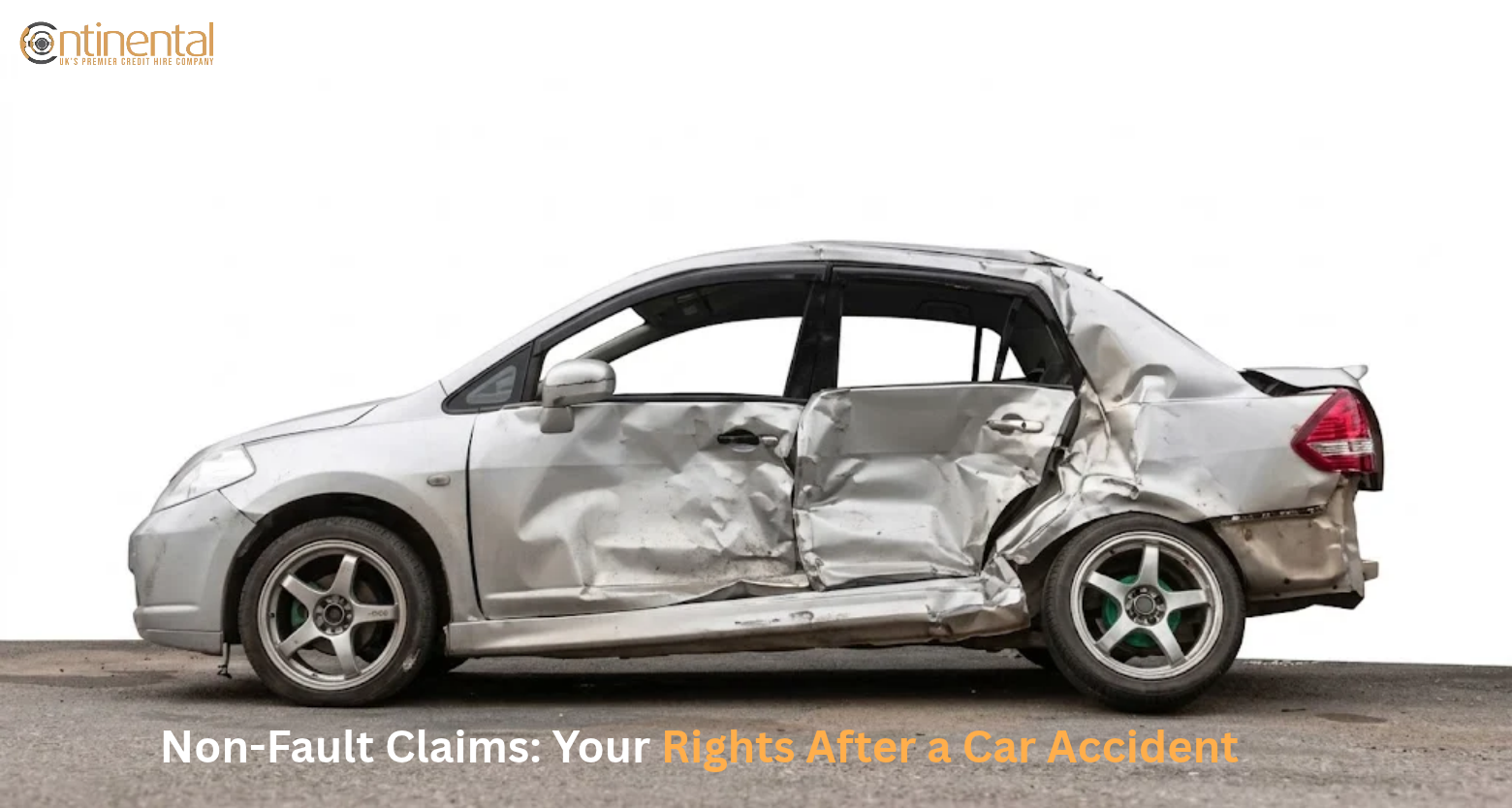
Non-Fault Claims: Your Rights After a Car Accident
A non-fault accident car hire UK service gives you a replacement car

A non-fault accident claim means your insurer recovers all repair, legal, and medical expenses directly from the driver at fault. However, safeguarding your motoring history means knowing your legal entitlements and how insurance rules apply in practice.
Getting into a car accident is a stressful experience, but discovering you are not to blame can bring a sense of relief. However, navigating the aftermath of a non-fault collision can still feel overwhelming if you do not understand how insurance systems handle responsibility. This comprehensive guide breaks down exactly what a non-fault claim is, how it affects your policy, and the essential steps to protect yourself.
A crash is legally and financially classified as non-fault when another driver is 100% responsible for the collision, and their insurance company fully accepts liability and reimburses all costs. To support a non-fault accident claim, you may need to show your insurer that you took all reasonable steps to prevent the accident and complied with every applicable traffic rule.
In the insurance industry, certain accident types are almost always recorded as non-fault for the claimant because liability is legally straightforward:
To solidify a claim as non-fault, three distinct elements must align:
If you are involved in a non-fault car accident, you will not get paid. Photos, road signs, and accident evidence can help. Keep the facts clear, and do not guess.
The primary difference between a fault claim and a non-fault claim is financial recovery, not who physically caused the accident. In the insurance system, if your insurer has to pay for any part of the accident without getting reimbursed by a third party, it is recorded as a fault claim.
Feature | Non-Fault Claim | Fault Claim |
Definition | The other motorist bears complete responsibility, leaving their insurer liable for covering the full cost of the damage. | You caused the crash, blame is shared, or the other driver cannot be found. |
Financial Cost | Your insurance provider seeks full reimbursement from the policyholder responsible for causing the accident. | Your insurance provider initially covers the cost of repairing your vehicle, along with any damage caused to another party’s property. |
Excess Payment | You may have to pay it initially, but it is fully refunded once fault is settled. | You must pay your insurance excess before your car can be repaired. |
No Claims Bonus (NCB) | Once the claim has been resolved successfully, your no-claims bonus remains fully intact. | Your NCB is reduced or lost entirely unless you purchased NCB protection. |
Premium Impact | Premium may rise slightly at renewal because statistics show you are a higher risk. | Premium will increase significantly because you are statistically a higher risk. |
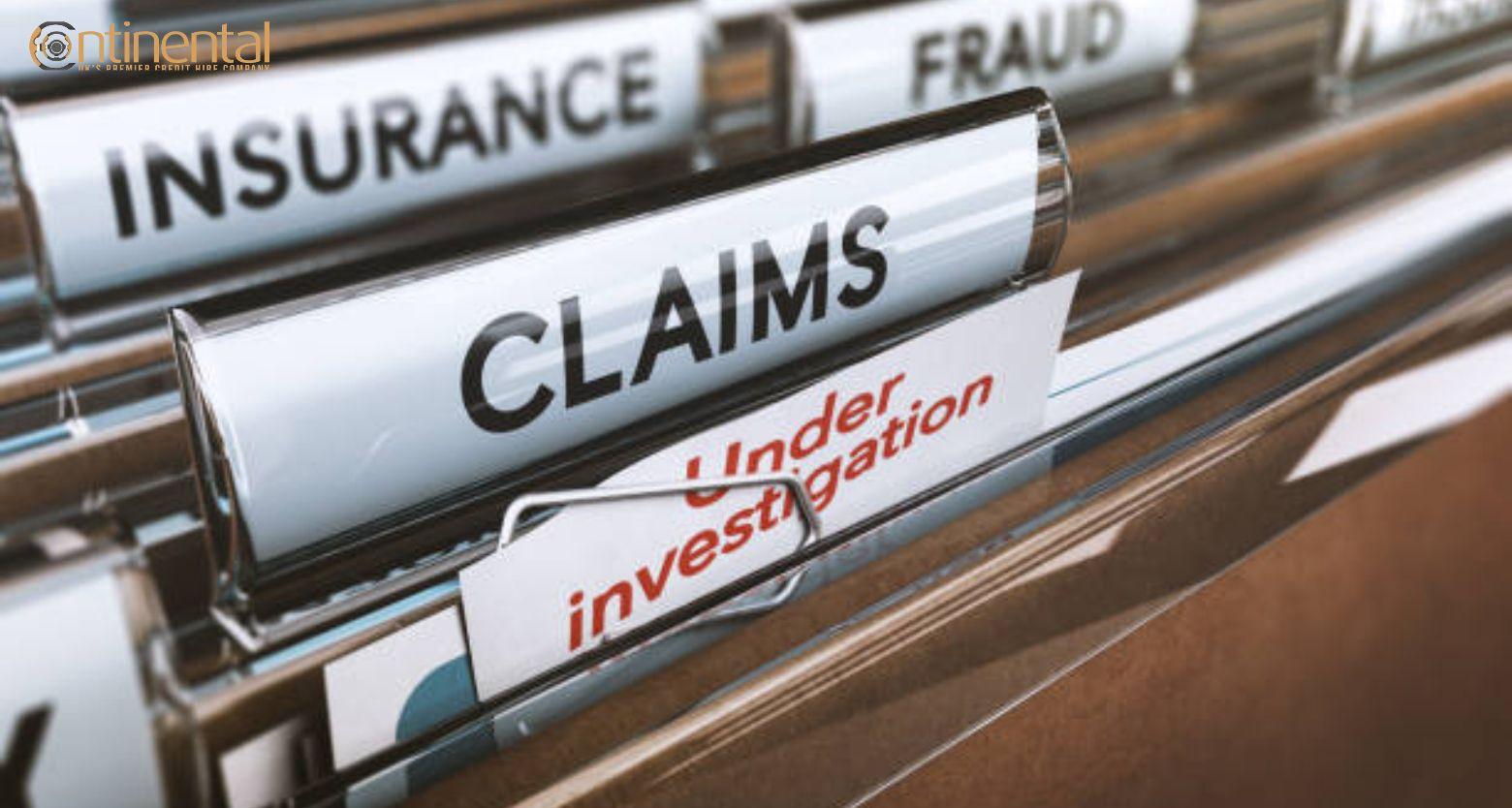
Insurers assess accident liability using statements and proof. They may clash over speed, space, or road signs. A car insurance claim can progress during these checks. But new proof may change who pays.
A non fault claim may still raise your next price. Your insurer may reduce your no-claims discount at first. It may be restored once all costs have been recovered. Your next premium could still go up. Ask for reasons in writing if this seems unfair.
Insurers use fault records to show who bears the costs. Imagine someone hits your parked car at night. The driver then leaves and gives no details. Your insurance provider covers the expense but is unable to recover the money from the responsible party. It may then record a fault claim.
This alone does not establish that you were responsible for the collision. It may simply mean the insurer could not recover its costs. This affects how your no-claims discount is treated. Ask if your claim remains open or has closed. Keep each letter about your claim settlement.
You may seek car accident compensation for proven losses. That may include repairs, towing, or necessary trips. You may also claim for harm to your health. A non fault claim does not ensure a payout. Every expense should be reasonable and directly attributable to the accident.
A non-fault car accident may leave you without transport. A replacement car may help while yours is repaired, but it may not be free. Some hire contracts leave you liable for unpaid charges. Ask who pays if the other driver refuses the charges. Review the agreement thoroughly before taking possession of the vehicle.
With comprehensive cover, your insurer may arrange repairs. You may have to pay your excess first. You could subsequently seek reimbursement from the motorist responsible for the accident. Third-party-only cover will not normally pay for your own repairs. You may instead claim against the driver at fault.
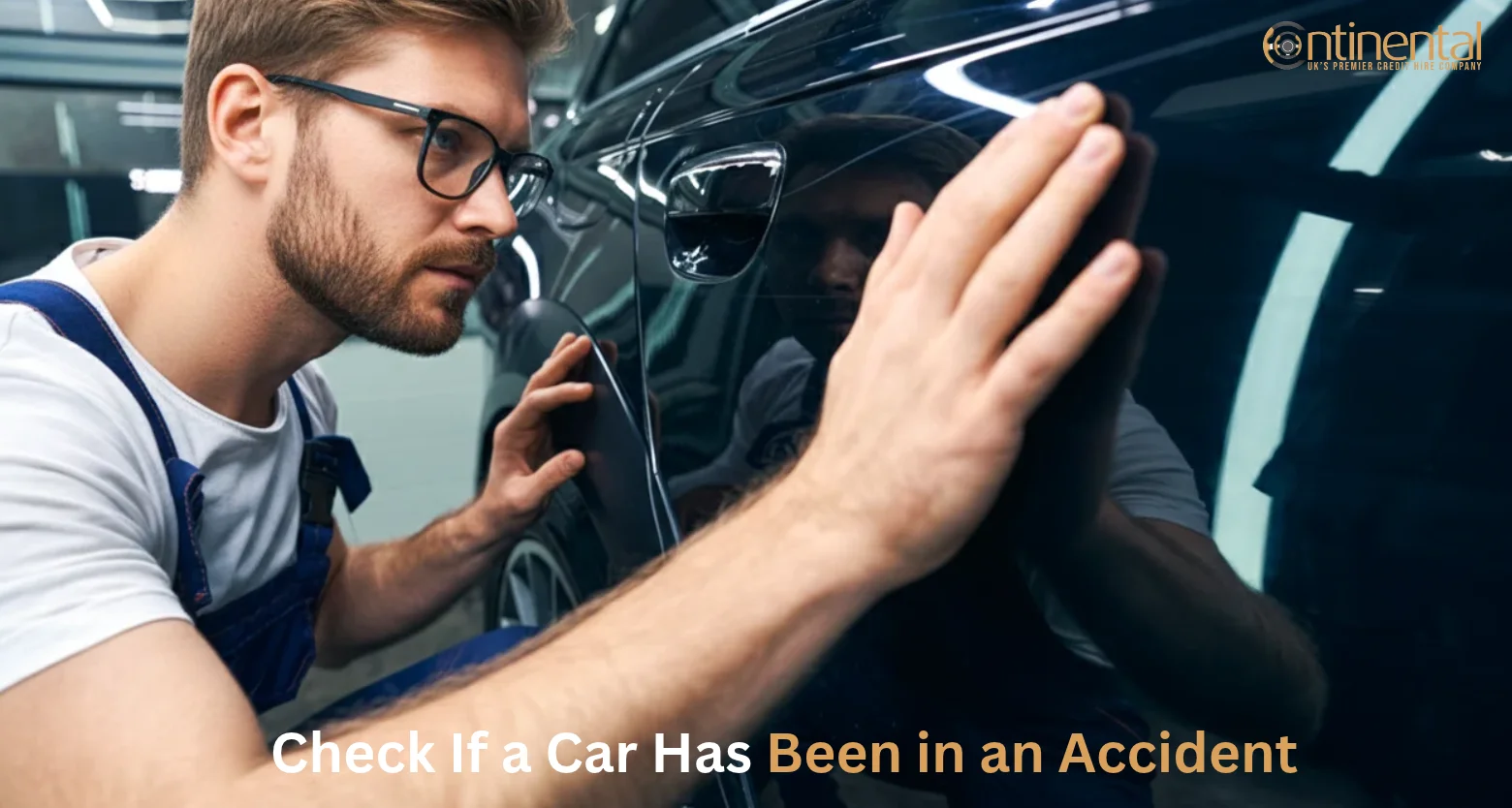
Severe damage may mean your car is written off. Ask how its pre-crash value was calculated. Compare similar cars by age, mileage, and condition. Save adverts, service records, and photos as proof. Age alone does not set a fair value.
Non-fault accident compensation may cover harm and lost pay. Keep medical notes, bills, and proof of lost pay. You may be able to recover the cost of assistance or journeys required for medical treatment. Injury awards depend on the harm and legal rules. Do not settle before your likely recovery is clear.
In England and Wales, some whiplash claims use fixed rates. Updated rates apply to crashes from 31 May 2025. Under the tariff, eligible whiplash symptoms lasting no longer than three months attract compensation of £275. A medical report is required before settling whiplash. Scotland and Northern Ireland have different injury rules.
Stop safely, check for harm, and swap driver details. Call emergency services if someone is seriously injured. Notify your insurer, even if you claim elsewhere. A non-fault accident claim needs clear, true facts. Notes from the scene can be key proof.
Avoid admitting blame just to end an argument. Describe only what you personally observed, rather than making assumptions. If you cannot exchange details, report the crash to police. In that case, report within 24 hours. Do not drive if your car seems unsafe.
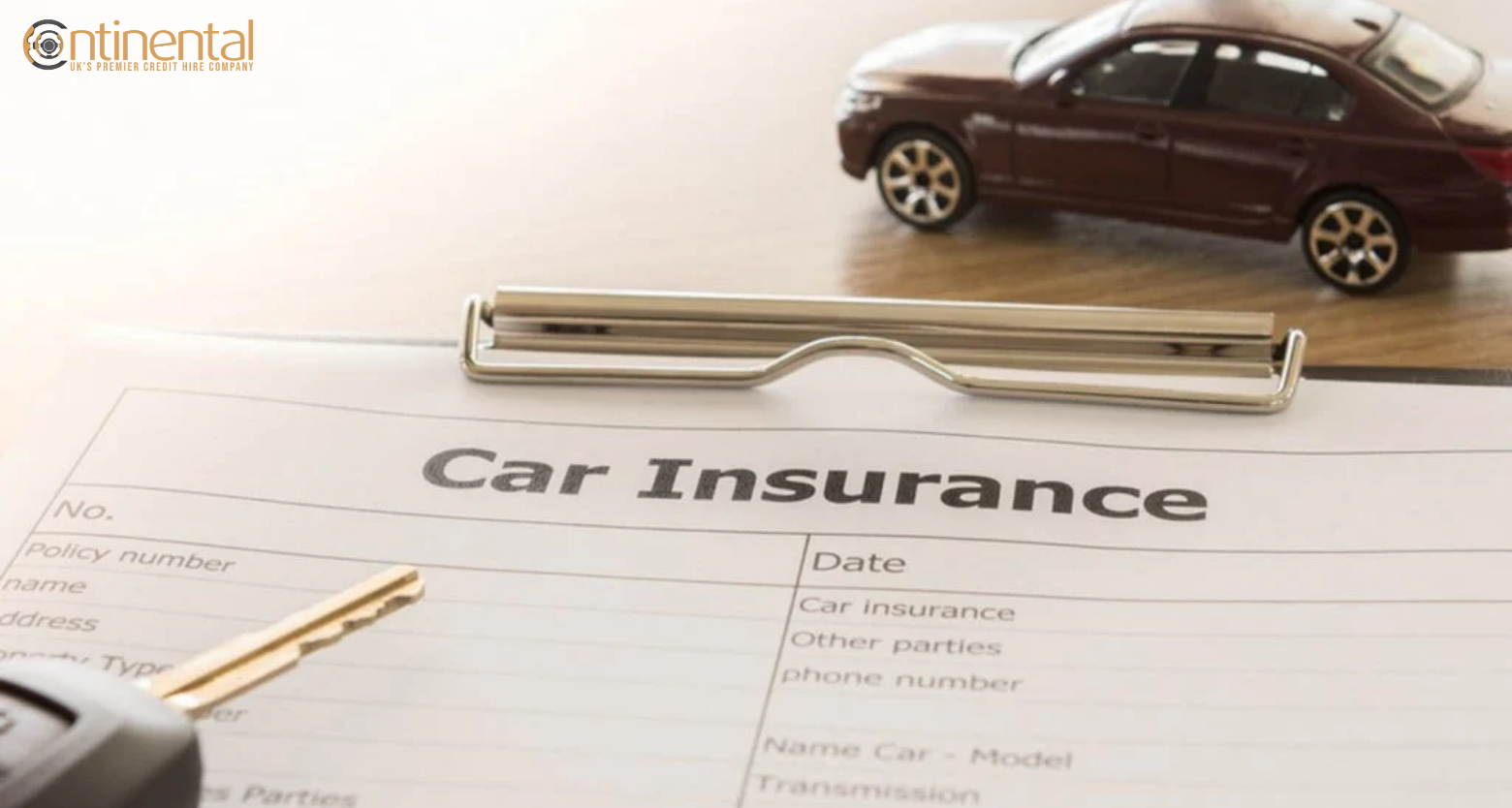
You may claim under your own comprehensive policy. Or you can approach the other driver’s insurer directly. Another route involves credit hire and credit repair. Each route comes with different costs and risks. Using your own motor policy to make a car insurance claim could mean paying the applicable excess.
If you hire a replacement car, read the full deal. Ask for the daily rate and hire end date. Find out who will cover the expenses if the opposing party challenges the costs. Hire a car only when you truly need one. Note why a less costly choice would not work.
Strong accident evidence starts with clear scene photos. Show both cars, dents, road signs, and lanes. Note the time, place, weather, and who saw it. Save dashcam clips before they are lost. Keep quotes and bills in one safe place.
Disputes over accident liability may turn on small details. A photo may show who crossed the lane marking. A witness may know which light was green. Detailed notes help prevent missed costs later. This table explains which records matter most.
Stage | What to check | Why it helps |
At the scene | Names, number plates, photos, witnesses | Gives the first account of events |
Reporting | Insurer notice and any police report | Helps meet legal and policy duties |
Damage check | Repair quote, safety, and pre-crash value | Supports fair repair or write-off costs |
Travel needs | Trips, costs, and hire agreement terms | Helps show why charges were reasonable |
Injury review | Medical report, symptoms, and lost earnings | Links your losses to the crash |
Final offer | Each amount, excess, and future losses | Helps avoid settling before costs are clear |
An uninsured driver claim may still help after a crash. Special claim rules can help victims of uninsured drivers. Some hit-and-run cases may also qualify for payment. Tell the police if the other driver lacks cover. Keep their number plate and witness names.
If you drove uninsured, your position is different. You could be fined or charged for driving uninsured. No cover does not mean you caused the crash. Nevertheless, it may influence certain avenues for pursuing compensation. Seek advice before starting a non fault claim.
The driver may leave before you note their registration. You should still report the crash at once. Share all the facts you can recall. Check whether nearby cameras recorded the crash. Hit-and-run claims can need more proof.
Not all bills will be paid in full. The rules differ for harm and car damage. Your own cover may also help. Keep the right proof for any claim. Keep all reports, bills, and replies.
A simple non fault claim may end in weeks. An uninsured driver claim may need more checks and time. Each claim settlement depends on proof and agreement. Ask for progress updates when the next step is unclear. Record the date and outcome of each reply.
Car accident compensation depends on evidence of your losses. A repair bill is easy to assess; lasting pain is not. For injuries, wait until the likely effects are clearer. A full and final offer may close your case. Review the included terms carefully before agreeing to anything.
In England and Wales, most adult injury claims have three years. The period usually starts on the accident date. Different limits may apply to children and some cases. Scotland and Northern Ireland have their own rules. Seek guidance promptly if the deadline for taking action could be approaching.
A non-fault accident compensation offer should explain each sum. Check repairs, excess, hire, lost pay, and harm. Confirm whether the proposed agreement accounts for all necessary medical care and treatment. Do not sign while important costs remain unclear. A fair deal is worth more than a fast one.
Yes, tell your insurer even if you do not claim. Your policy may set a reporting deadline. If you cannot exchange details, police reporting rules may apply.
Not always, even when you did nothing wrong. Your insurer may change it while costs remain unpaid. Ask whether it can be restored after recovery.
Yes, if another driver caused the damage. Take photos and ask nearby witnesses for details. Recovery may be harder if the driver cannot be found.
You can ask to use a garage you trust. Your policy may set terms for other garages. Check any extra charges before you agree.
You might be responsible for the payment when relying on your own insurance policy. You can seek it back from the driver responsible. Compensation cannot be guaranteed while responsibility for the incident is still contested.
You may qualify when you really need transport. Ask whether it is a courtesy car or credit hire. Credit hire can leave you owing disputed charges.
You may have a route to injury or damage payment. Tell the police and save the driver’s details. The outcome depends on the claim rules and proof.
Driving without valid cover can lead to legal action. It does not always remove every right to damages. Get advice about the rules that apply to you.
Yes, if the crash caused a qualifying injury. In England and Wales, some awards follow fixed tariffs. You need medical evidence before settling a whiplash claim.
The duration varies from one case to another. Clear vehicle claims can finish faster than injury disputes. Keep asking which step is still outstanding.
Continental Car Hire can help you understand your options and arrange a suitable vehicle while yours is off the road. Our team can explain the process, discuss your needs, and help you take the next step. Contact us for a free consultation.
If another driver caused your accident, Continental Car Hire can help. With over 22 years of experience, our dedicated team understands the challenges drivers face after a crash. We offer clear guidance on replacement vehicle options, costs, and the claims process. Our aim is to help you get back on the road with less stress. Call Continental Car Hire on 0208 740 3752 for a free consultation and expert guidance on your next steps.
A non-fault accident car hire UK service gives you a replacement car

A non-fault accident car hire UK service gives you a replacement car
A non-fault accident car hire UK service gives you a replacement car
A non-fault accident car hire UK service gives you a replacement car
A non-fault accident car hire UK service gives you a replacement car
A non-fault accident car hire UK service gives you a replacement car
Copyright © 2026 Continental Car Hire Ltd. All Rights Reserved.
Continental Car Hire Ltd is authorised and regulated by the Financial Conduct authority (FRN 711301)