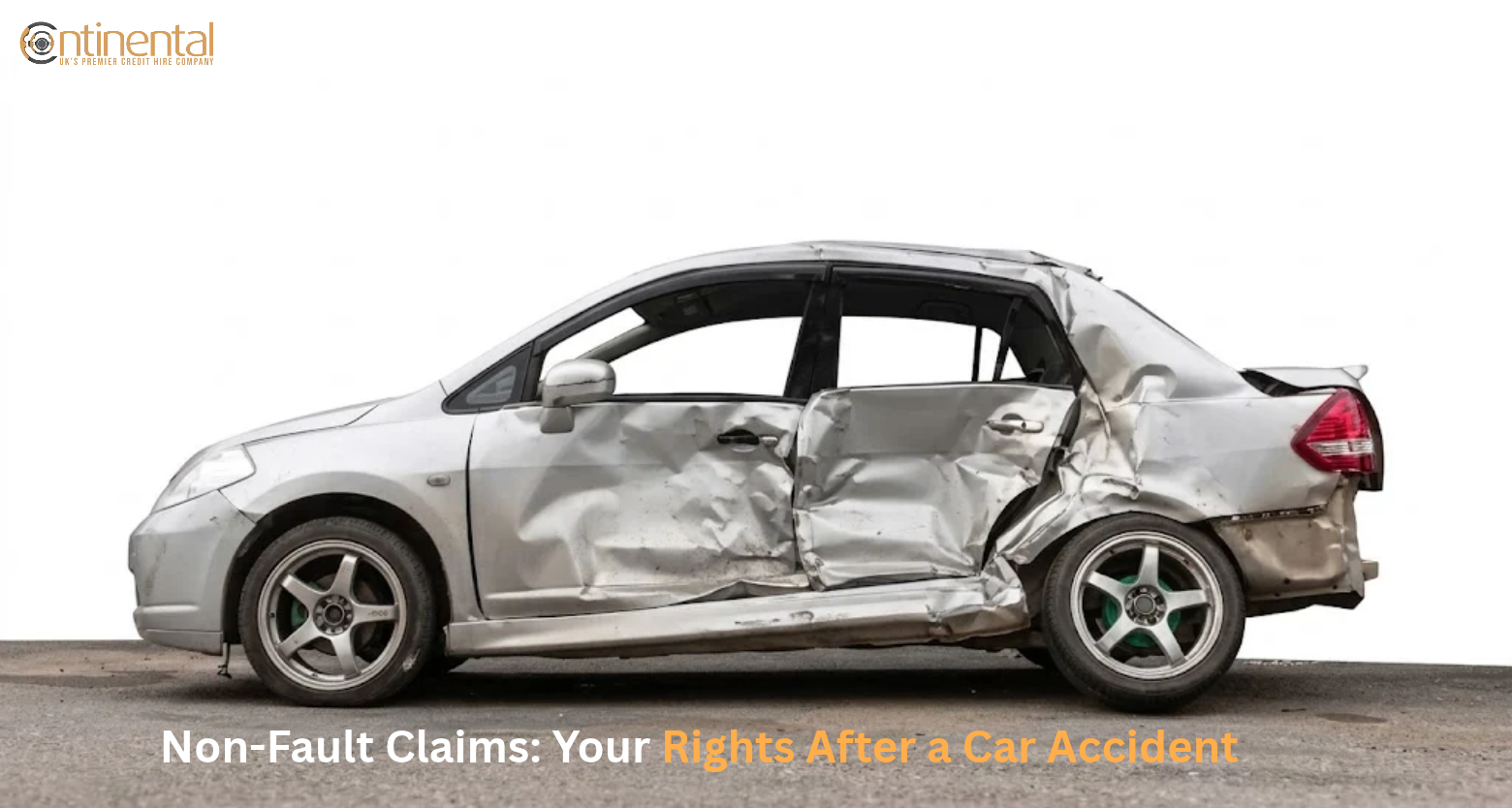
Non-Fault Claims: Your Rights After a Car Accident
A non-fault accident car hire UK service gives you a replacement car
Home » Automotive Blog » Actual Total Loss: Understanding Complete Vehicle Destruction
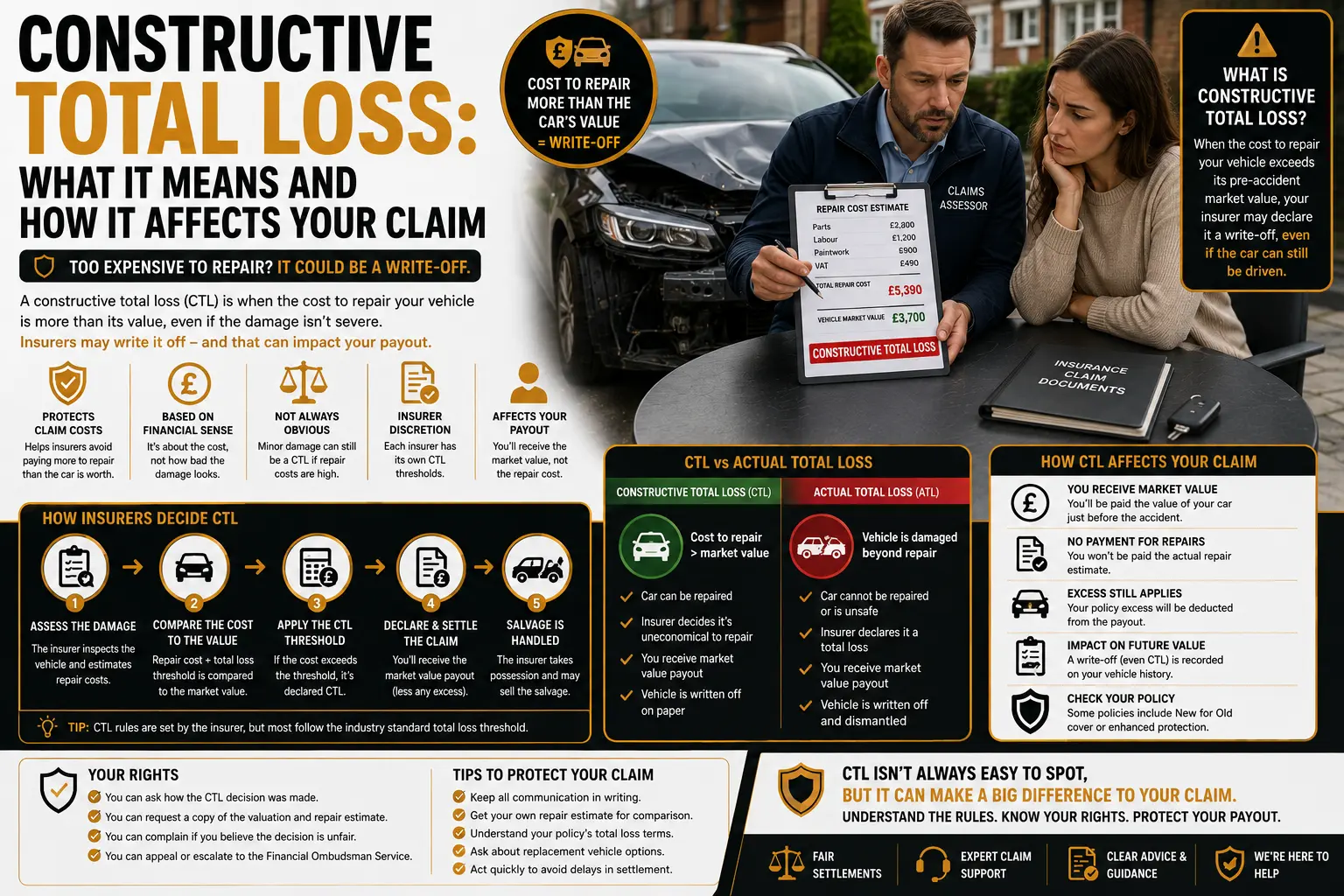
Actual Total Loss means repair is no longer the main question. The car may be burnt out, crushed, stolen and not found, or damaged beyond real use. At that point, the claim turns to value, proof, documents, and the next step. The insurer will want to know what happened and what the car was worth before the loss. This guide explains complete vehicle loss, inspections, payout checks, salvage, and common mistakes in simple words.
Some damage can be repaired. A bumper can be replaced. A wing can be painted. A broken light can be fixed.
But some vehicles are too badly damaged or destroyed. Actual Total Loss is used when the vehicle is no longer a normal repair case. It may have no safe or useful road future. The claim then moves from “how much to repair?” to “what was the vehicle worth?”
A write-off car is not always fully destroyed. Sometimes a car is written off because repair costs exceed its value. GOV. The UK says that when a vehicle is written off, the insurer will pay the current value rather than the repair costs.
Situation | What It Usually Means |
Repairable damage | The car can still be repaired safely |
Economic write-off | Repair costs are too high compared with the car’s value |
Complete loss | The car is destroyed, beyond recovery, or cannot be economically recovered |
This difference matters. A badly damaged car may still exist. A complete loss may leave very little to repair, inspect, or return to the road.
A total loss vehicle may be linked to fire, flood, theft, or a severe crash. It may also be crushed beyond safe repair. In theft cases, the car may never be found.
The final decision is not based only on shock. It depends on evidence, policy terms, and the car’s condition. ABI explains that a total loss is often where repair costs are higher than the vehicle’s actual cash value. For destruction, the damage may go beyond a normal repair.
The insurer needs proof of what happened. This may include accident photos, recovery notes, a police reference, fire records, theft reports, keys, V5C details, and service records.
Do not throw away useful documents. Keep photos, messages, repair history, finance details, and ownership proof together. These records help show the car, the event, and the loss. Strong paperwork can stop delays later.
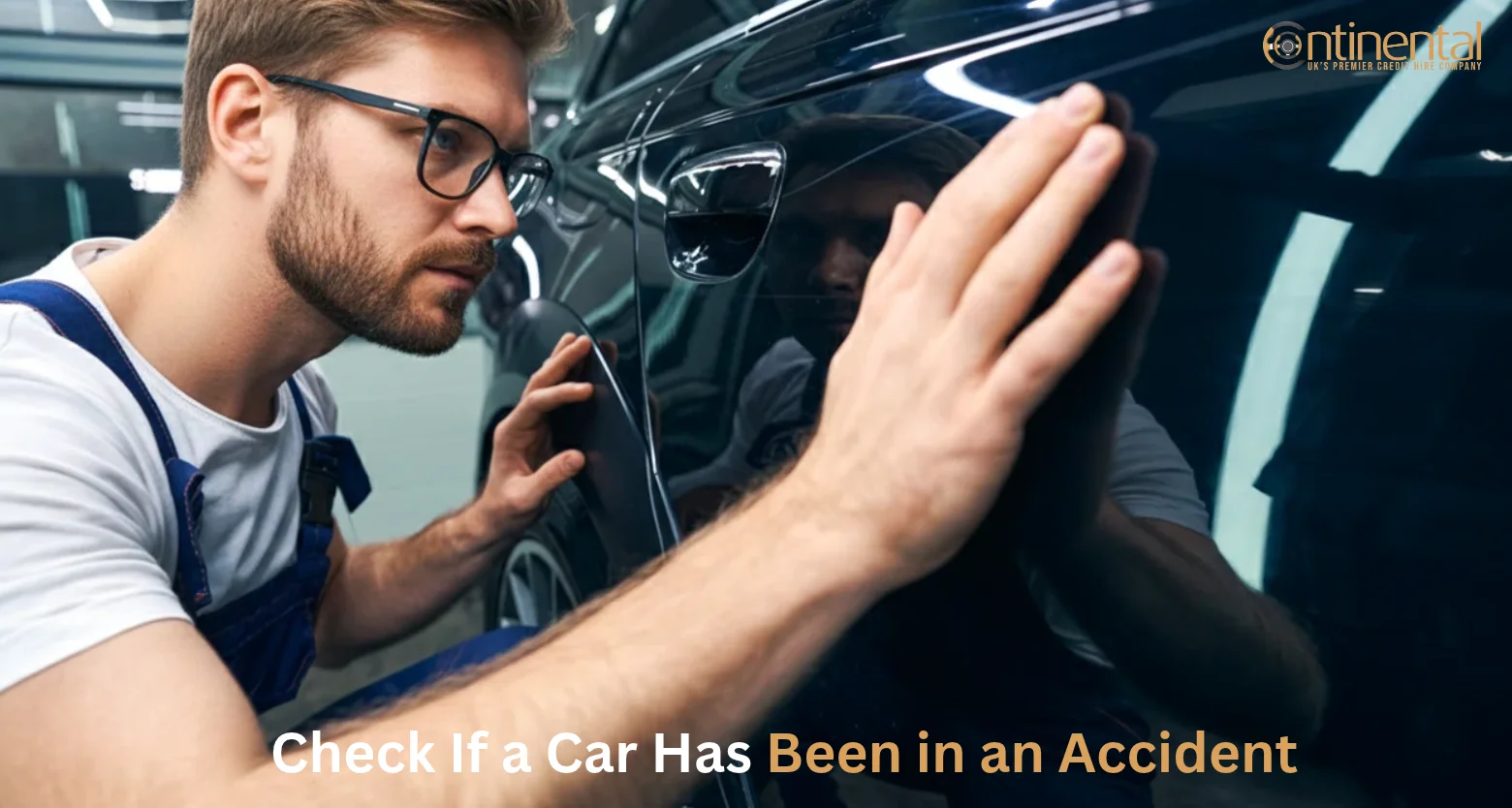
A vehicle inspection may happen if the car is found or recovered. An engineer or assessor may check identity, mileage, condition, damage level, and any signs of old damage.
If the car was stolen and not found, the insurer may rely on reports and documents instead. They may still ask for keys, service history, purchase proof, and finance details. The aim is to confirm the loss and support a fair decision.
The pre-accident value is the car’s value just before the loss. This is very important because most payouts start from that figure. The Financial Ombudsman explains that under most motor policies, insurers are liable for the vehicle’s market value at the time it was damaged or stolen.
The value may depend on age, mileage, model, trim, condition, service history, and market prices. Previous damage can also affect it. The payout is usually not based on what you paid years ago. It is based on what the car was worth before the loss.
An insurance payout is economical. This does not always mean the offer is wrong. It may reflect policy excess, market value, previous damage, finance, or policy limits.
Factor | How It Can Affect Payment |
Policy excess | May be deducted from the final payout |
Finance balance | May need to be settled with the finance provider |
Vehicle condition | Can increase or decrease the vehicle’s value |
Previous damage | May reduce the final valuation or settlement |
Ask for a clear breakdown if the offer feels low. Compare it with real market adverts for similar cars. Check mileage, trim, age, and condition before replying.
If the car or remains still exist, salvage may become part of the claim. The vehicle salvage value is the value of what is left after the loss.
Sometimes the insurer deals with the salvage. In some cases, the owner may ask about keeping it. It is based on many factors like the insurer, safety, category, value, and policy terms. The ABI says its Salvage Code was updated to reflect new vehicle technology, including electric vehicles.
A complete loss can feel stressful. That is when mistakes happen.
Mistake | Better Action |
Accepting too fast | Review the valuation before accepting |
Losing documents | Keep all records together in one folder |
Hiding old damage | Provide clear and honest information |
Ignoring finance | Check the outstanding finance balance |
Using weak adverts | Compare genuine adverts for similar vehicles |
Do not rely on one quick price from a random advert. Use fair comparisons. A similar car should match the model, age, mileage, trim, fuel type, and condition as closely as possible.
When the vehicle cannot be returned, the paperwork becomes the strongest part of the claim. Actual Total Loss is more about complete loss or no practical recovery. The best claim has clear proof, fair value checks, and honest records. Go through the offer carefully before accepting it.
If a non-fault accident leaves you without transport, Continental Car Hire can help you understand suitable replacement vehicle options while the claim is reviewed.
It means the vehicle is fully lost or destroyed. Repair is no longer the main problem. The claim usually focuses on value, proof, and payout.
No, not always. A write-off can happen when repairs cost too much. Destruction is more serious because the car may not be usable at all.
A car may be classed this way after fire, theft, flood, or severe crash damage. It may also happen when repairs cost more than the car is worth. The insurer checks the facts before deciding.
They look at the car’s value before the loss. Age, mileage, model, condition, and service history can matter. Similar market adverts may also help support the value.
Useful proof includes photos, police reports, keys, and service records. Recovery notes and ownership documents can also help. Keep all records in one place.
It can happen if the car is available. An assessor may check damage, mileage, identity, and condition. If the car is stolen, documents may matter more.
The payout often starts with the car’s market value. The insurer may then apply excess, finance, or policy terms. Always ask for a breakdown if the offer is unclear.
It is the value of what remains after the loss. The insurer may keep or sell the salvage. Keeping salvage depends on policy terms and safety rules.
Yes, you can question the valuation. Use adverts for similar cars with matching mileage and trim. Keep your reply calm and evidence-based.
Report the theft quickly and keep the crime reference. Give the insurer keys, documents, and proof of ownership. Save all messages about the claim.
A non-fault accident car hire UK service gives you a replacement car

A non-fault accident car hire UK service gives you a replacement car
A non-fault accident car hire UK service gives you a replacement car
A non-fault accident car hire UK service gives you a replacement car
A non-fault accident car hire UK service gives you a replacement car
A non-fault accident car hire UK service gives you a replacement car