Non-Fault Claims: Your Rights After a Car Accident
A non-fault accident car hire UK service gives you a replacement car
Home » Automotive Blog » Pre-Accident Value (PAV): How Insurers Calculate Your Car’s Worth
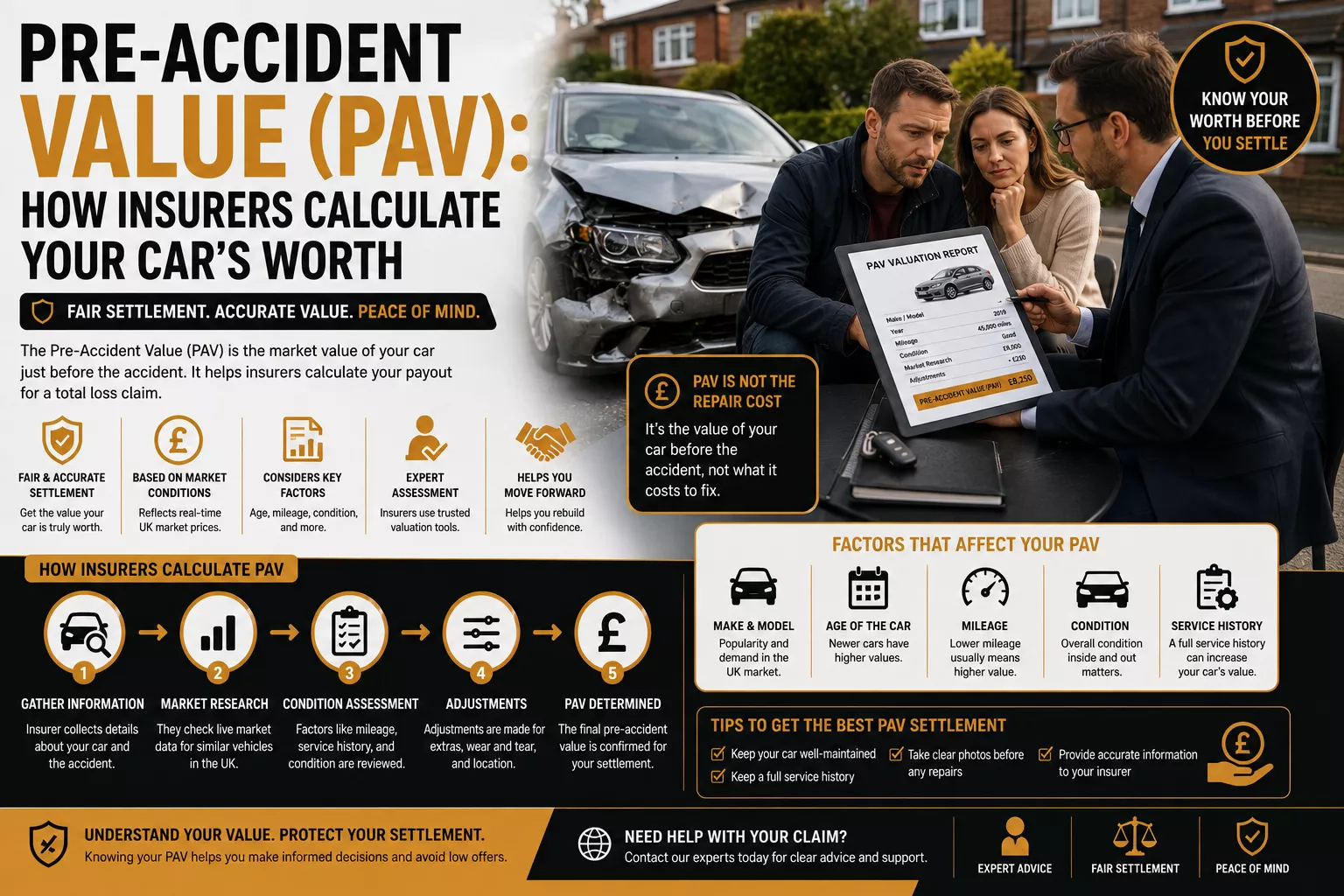
Pre-accident value is what your car was worth just before the loss. Insurers use it after theft or a total write-off. They check the exact model, mileage, condition, options, and market prices. Trade guides give a starting point. Old damage or past write-off history may lower the result. Your purchase price and finance balance do not set PAV. This guide explains how the figure is built.
In PAV car insurance, the insurer looks at one moment. It asks what a similar car cost just before the incident. The Financial Ombudsman uses the same approach when reviewing market-value disputes.
| Valuation Term | What It Means |
|---|---|
| Original Purchase Price | The amount you originally paid to buy the vehicle. |
| Outstanding Finance | The remaining balance still owed to the finance provider. |
| Advertised Asking Price | The price a seller advertises, which may differ from the actual market value. |
| Pre-Accident Value (PAV) | The vehicle’s estimated market value immediately before the accident or loss. |
| Salvage Value | The estimated value of the damaged vehicle after the incident. |
| Market Valuation | An estimate based on the vehicle’s age, mileage, condition, and comparable vehicles for sale. |
| Settlement Amount | The final amount the insurer agrees to pay after completing the claim assessment. |
The car market value before accident can differ from your invoice. Standard motor cover usually pays current market value, not the original purchase price. This means the payout may also fall below your remaining finance.
A fair insurer car valuation starts with the right vehicle details. The insurer checks the model, trim, age, mileage, gearbox, and drivetrain. It may also review factory options, service history, and write-off records. One wrong detail can change the total loss valuation. A basic trim should not replace a premium one.
Insurers often use recognised vehicle valuation guides. These tools compare similar cars near the date of loss. If guide figures vary, adverts or an expert report may help. The Financial Ombudsman checks both guide values and other useful proof when reviewing complaints.
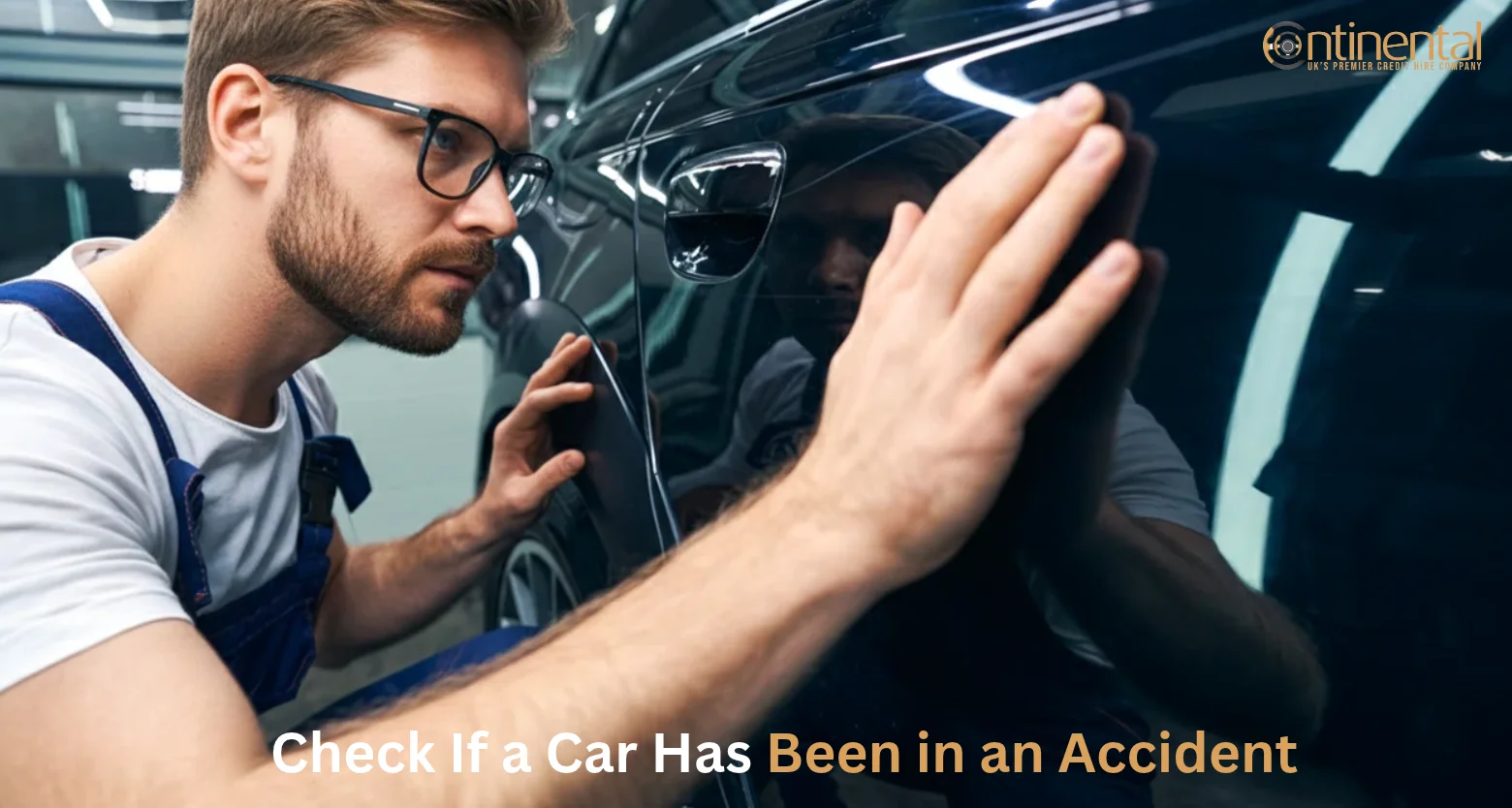
The car should be valued in its state before the crash. New accident damage should not reduce its prior value. However, prior damage may reduce the value of a written-off car. Good service history and clean condition may support the figure. Old dents, worn tyres, damaged trim, or past total loss may lower it.
Each reduction must match the real effect on market demand. Normal wear on an older car may make little difference. The Ombudsman says insurers should explain condition cuts clearly. It also accepts that previous write-off history can affect value.
Adverts can support the car market value before accident. Yet one costly advert proves very little. Asking prices may also differ from final selling prices.
Choose three to five close matches. Compare the same trim, age, mileage, fuel type, and gearbox. Use adverts from the loss period where possible. The Ombudsman now considers adverts but stresses the need for close matches.
Normal guides may not cover rare or modified vehicles well. An expert report or agreed-value policy can carry more weight. This makes PAV car insurance harder for classic, imported, or specialist cars.
Treat the offer like a short audit. Check the model, trim, mileage, and factory options first. Then ask which vehicle valuation guides were used.
Also review:
Send clear proof when something is wrong. Use close adverts, service records, invoices, and photos. Ask for a revised insurer car valuation in writing. This helps you challenge insurance valuation decisions.
The FCA says firms should value vehicles fairly and justify their deductions. If the insurer refuses to change an unfair figure, make a formal complaint. You can approach the Financial Ombudsman after the final response or after eight weeks.
The agreed PAV may exceed the money you receive. Your policy excess can come off first. The insurer may also pay outstanding finance directly to the lender. You could still owe money if the finance balance is higher than the car’s market value.
You may keep some Category S or N cars. The insurer then pays the agreed value and sells the damaged car back to you. Its salvage value is taken from the payout.
If a non-fault car is written off, Continental Car Hire can explain possible replacement vehicle options while the value is agreed. Any hire must still suit the claim facts and terms.
A fair pre-accident value should match the car just before the loss. The insurer must identify the exact vehicle and review current market data. Mileage, condition, trim, and useful options all matter. Old damage must stay separate from crash damage. Every reduction should have a clear reason. Check each detail before accepting the total loss valuation. Good evidence can help you challenge insurance valuation decisions. The right written-off car value is a fair market figure, not simply the lowest offer.
Pre-accident value means the car’s market worth just before the loss. It is often used after theft or a write-off. It does not usually mean the original purchase price.
They confirm the exact vehicle and check market data. Mileage, trim, condition, and options can change the figure. Guide prices and close adverts may both be used.
No, PAV is based on current market worth. Your car may have lost value since purchase. The payout can therefore be much lower than your invoice.
Yes, mileage often changes the value. Lower mileage may support a higher offer. Very high mileage may reduce it.
Some factory options can support a higher value. Many small upgrades add little on the used market. You should still list every valuable option.
Yes, proven old damage may lower the value. The deduction should reflect its real market effect. Normal age-related wear should not cause an unfair cut.
It can lower PAV because some buyers avoid such cars. The insurer should support the size of any reduction. A fixed percentage is not always fair.
Yes, close adverts can support your complaint. Match the trim, age, mileage, and loss date. Several strong examples work better than one.
The insurer usually pays market value, not your finance balance. You may still owe money after the payout. GAP cover may help if your policy applies.
Ask for the full valuation and correct any errors. Send close adverts, service records, and other useful proof. Make a formal complaint if the offer stays too low.
A non-fault accident car hire UK service gives you a replacement car
A non-fault accident car hire UK service gives you a replacement car
A non-fault accident car hire UK service gives you a replacement car
A non-fault accident car hire UK service gives you a replacement car
A non-fault accident car hire UK service gives you a replacement car
A non-fault accident car hire UK service gives you a replacement car