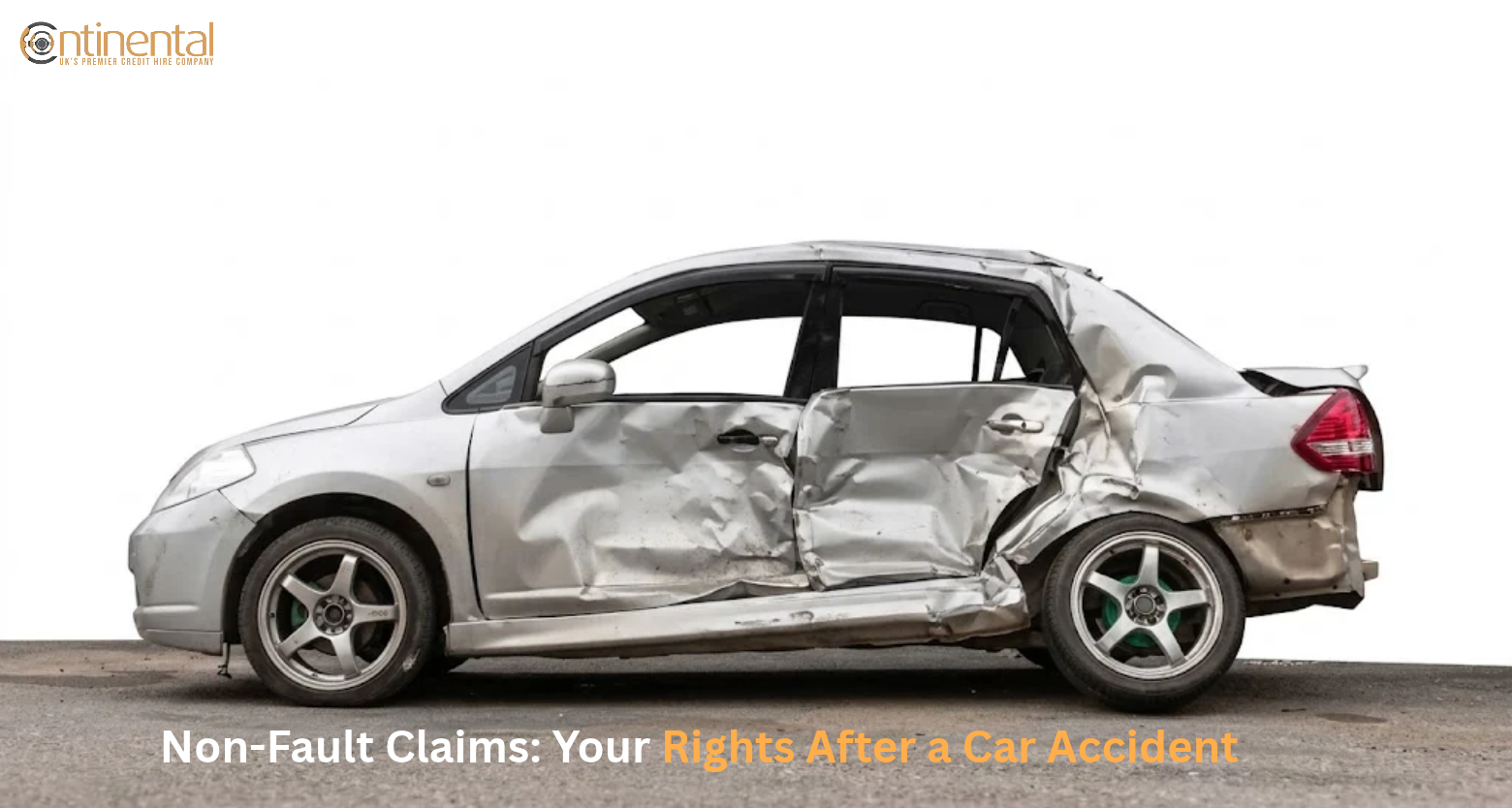
Non-Fault Claims: Your Rights After a Car Accident
A non-fault accident car hire UK service gives you a replacement car
Home » Automotive Blog » Liability in Car Insurance Claims: Complete Guide
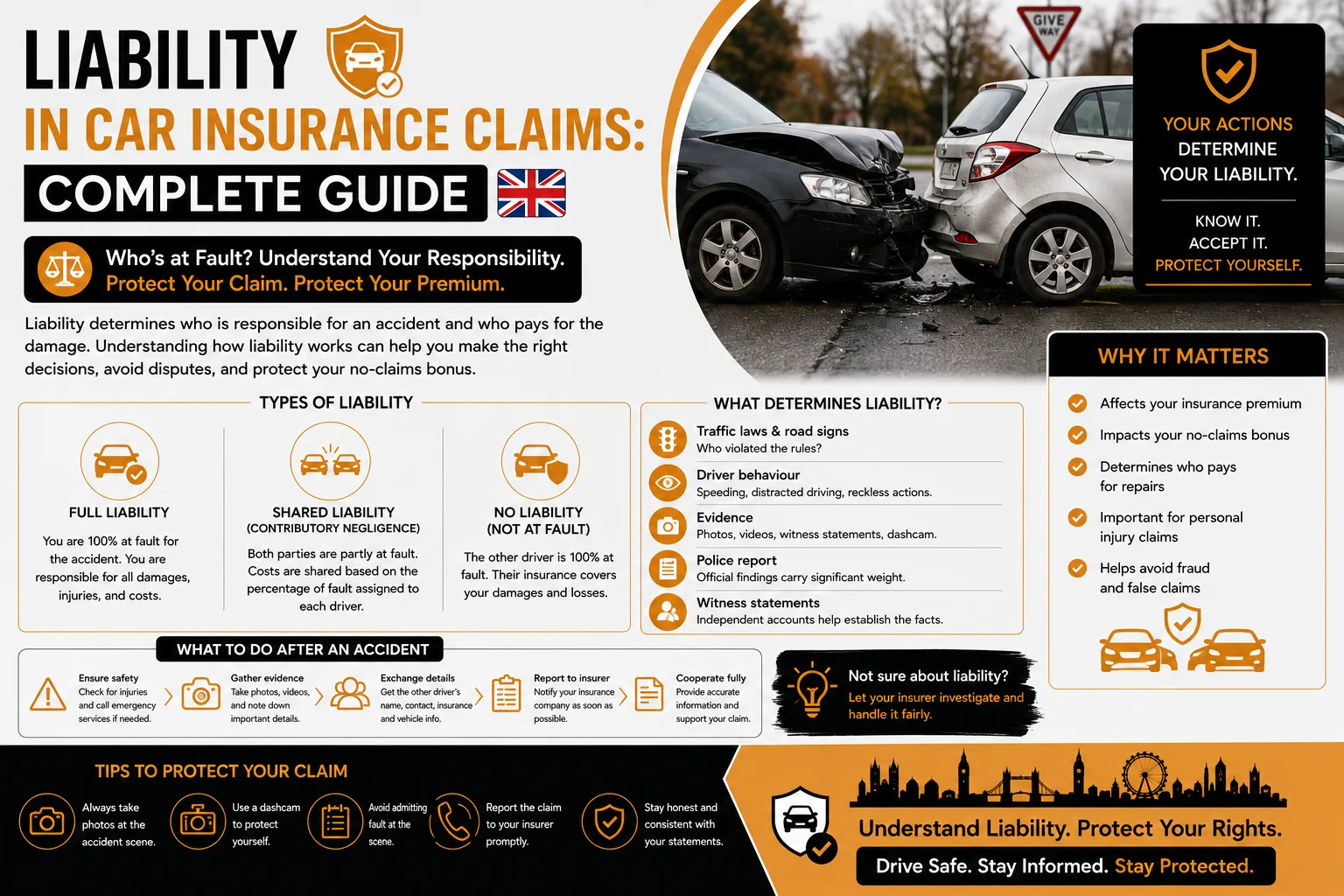
Liability in car insurance claims decides who must pay after a crash. One driver may be at fault, or both may share it. Insurers check reports, photos, clips, witnesses, road rules, and damage. The result can affect repairs, hire, your excess, and your no-claims bonus. A fault claim does not always mean you caused the crash. You can also challenge a weak decision. This guide follows the claim from the roadside to the final result.
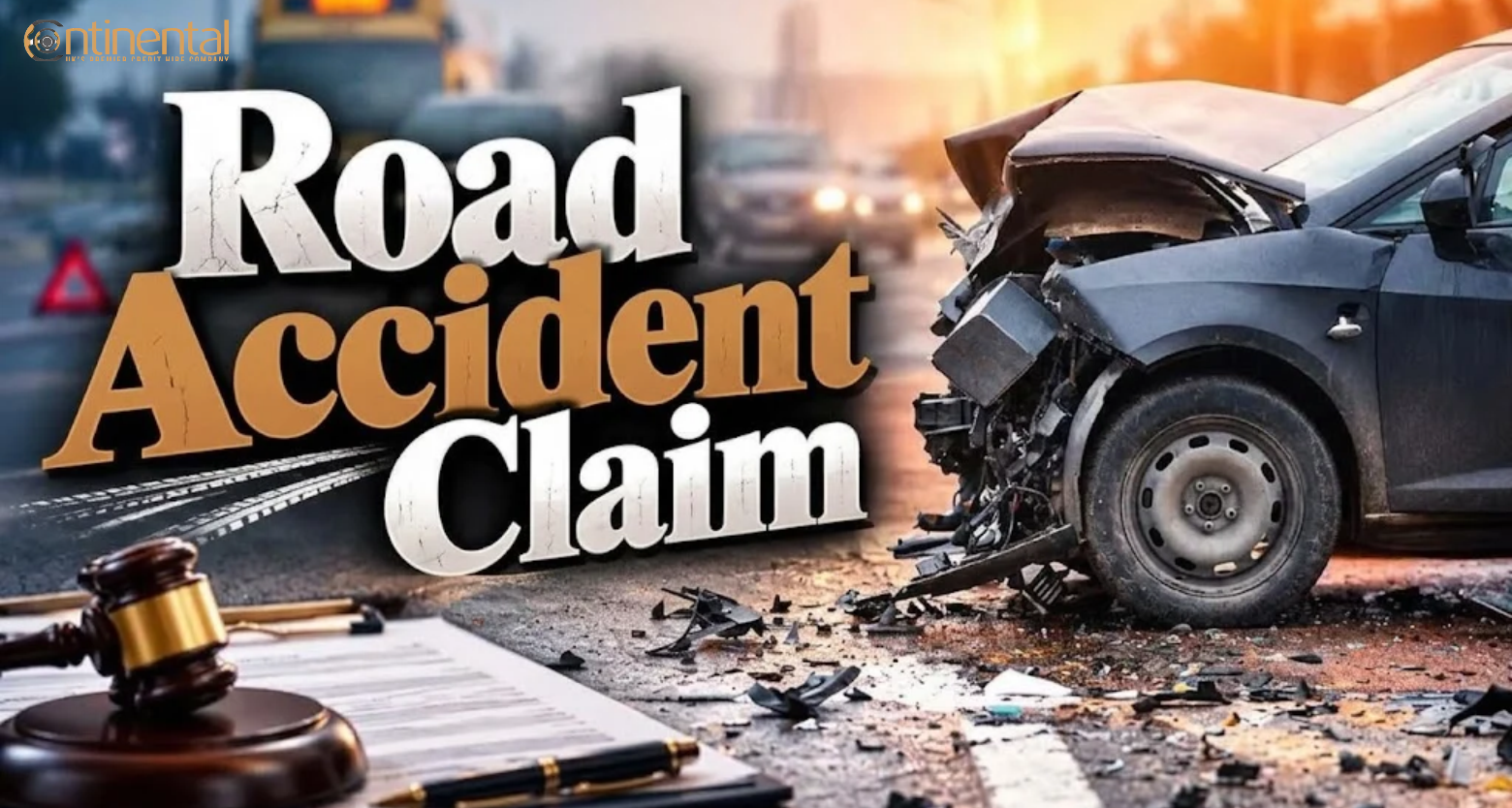
Car accident liability means who caused the crash and loss. A non-fault claim means your insurer expects full repayment. A fault claim means it may not get all costs back.
This can seem unfair. An unknown driver may hit your parked car. If your insurer cannot recover its payment, the claim may stay marked as fault. You did not cause the crash, but your no-claims discount may still fall.
| Claim Term | Simple Meaning |
| Liable driver | The driver who is found to be responsible for causing the accident. |
| Non-fault claim | A claim where another driver is responsible, so your costs are usually recoverable. |
| Fault claim | A claim where you are responsible or your insurer cannot recover all costs. |
| Shared fault | Both drivers are considered partly responsible, so liability is shared. |
Liability in car insurance claims is often about cost recovery. It is not always a label of personal blame.
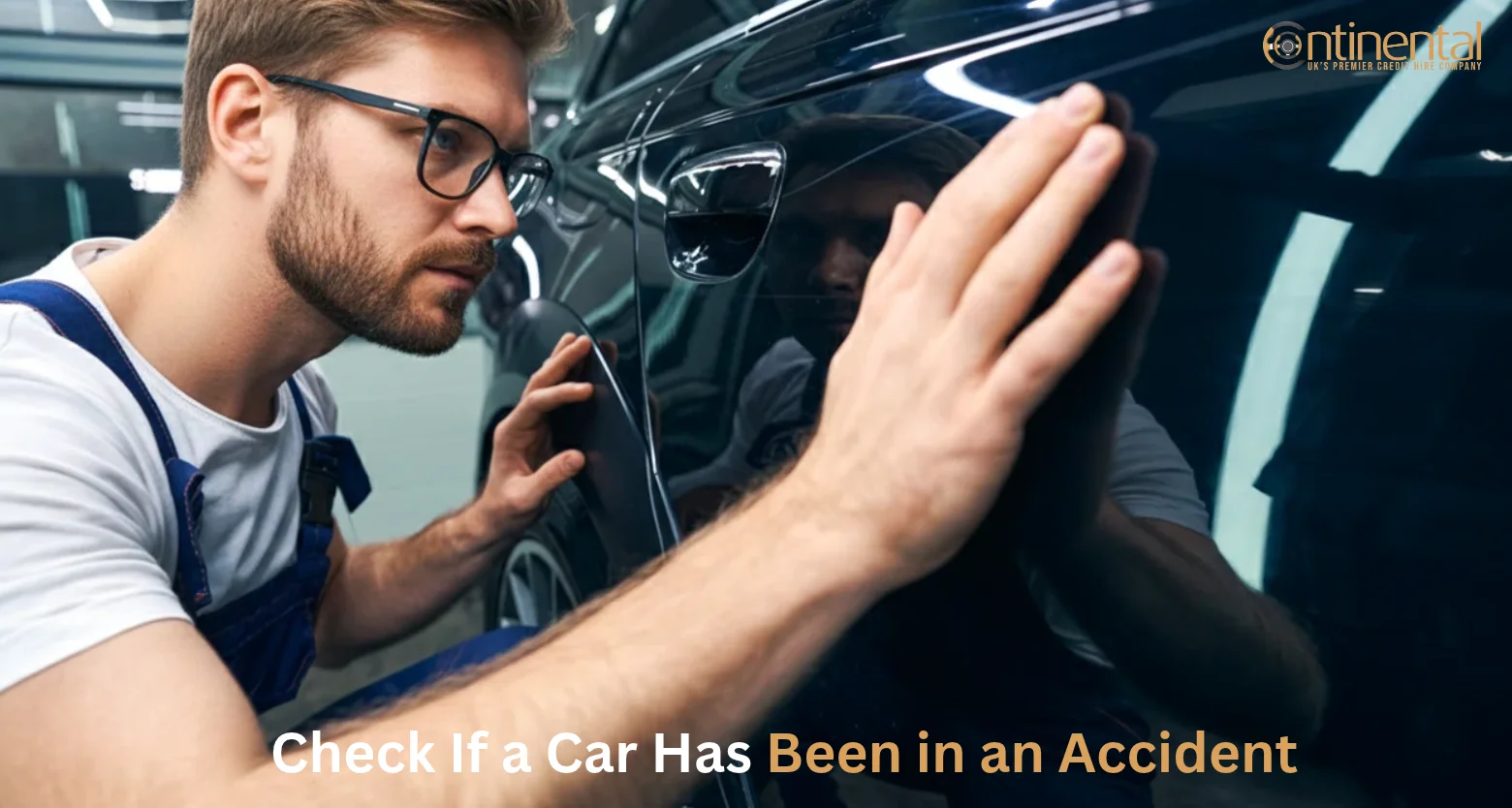
The insurer first reads both drivers’ reports. It then checks each story against the facts. Good insurance claim evidence may include dashcam video, CCTV, or a neutral witness. Photos, road lines, signs, and damage points also matter.
Take wide and close photos when it is safe. Save dashcam clips at once. Note the time, weather, lanes, and signs. Ask witnesses for their details. Do not guess speed or distance.
UK drivers must share their names and addresses after a crash. They must also provide the vehicle plate number. The owner’s details are needed when the driver does not own the car. Tell the police within 24 hours if those details were not shared.
A rear-end crash often raises questions for the car behind. That driver should leave enough room to stop. Yet a fast lane change may shift car accident liability.
Reversing crashes can be less clear. If both cars were moving, both drivers may share fault. Camera clips and final car positions can help.
Lane-change claims rely on timing, signals, impact points, and lane space. Roundabout claims rely on road lines and exit paths. Strong insurance claim evidence can settle these cases faster. Never assume that one crash type has an automatic result.
A split liability car accident means both drivers share blame. The split may be 50/50, 70/30, or 80/20. In a 70/30 split, one driver takes 70%. The other takes 30%.
This split can reduce payments for repairs, injuries, hire, and your car insurance excess. In the road traffic small claims process, accepting a partial offer means accepting the remaining share of fault yourself.
A 50/50 deal may be fair when both stories sound possible. The Financial Ombudsman has supported shared deals where neither side had enough proof. It looks at whether the insurer made a fair choice based on the available facts.
Your car insurance excess is the part you pay first. You may ask to recover it after a full non-fault result. With a split liability car accident, only part may return.
| Claim Result | Excess | No-Claims Bonus |
| Full non-fault | Your excess may be refunded once all costs are recovered. | Usually restored after the insurer recovers the full claim. |
| Full fault | The excess is normally not refunded. | May be reduced unless you have protected no-claims bonus. |
| Shared fault | You may recover only part of the excess. | Your no-claims bonus may still be affected. |
| Untraced driver | The excess may remain payable, depending on the claim outcome. | The claim may continue to be recorded as a fault claim. |
A protected no-claims discount does not freeze your full price. It protects the discount set by your policy. The base cost may still rise after a claim. This can happen with both fault and non-fault claims.
Do not accept blame at the scene. Save photos, clips, witness details, and bills. Keep proof of repair, travel, recovery, and hire costs. These steps may prevent a disputed liability claim later.
Ask for written reasons if you disagree. Also ask which facts the insurer used. Point out any missed clip, photo, road mark, or witness. You can then make a formal complaint. If that fails, contact the Financial Ombudsman Service.
The Ombudsman does not act like a crash court. It checks whether the insurer carried out fair checks. It also reviews evidence from the customer, insurer, and other parties.
Your car may be off the road for days. You may need repairs and another vehicle. Keep all costs fair and save proof of why they were needed. Clear records can reduce the risk of a disputed liability claim over later costs.
If your car is off the road, Continental Car Hire can explain the available replacement vehicle options. It can also explain which details are needed before hire starts. Always check who will pay and which terms apply.
Liability in car insurance claims should rest on clear facts. Gather proof as soon as you can. Keep your account steady and save each bill. Check how fault affects your excess and bonus. Question any choice that ignores key proof. Liability in car insurance claims becomes easier when each stage is clear.
Liability means who caused the crash and resulting loss. It helps decide which insurer should pay. Fault may sit with one or both drivers.
The insurers often make the first decision. They check reports, photos, clips, witnesses, damage, and road rules. A court may decide if the dispute goes further.
No, not in every case. It may mean your insurer could not recover its costs. This can happen after a hit-and-run.
Dashcam or clear CCTV can be very useful. Photos and neutral witnesses can also support your account. The best proof tells one clear and steady story.
It means each driver takes half the blame. Each side may recover only half of some losses. Both claims may still be marked as fault claims.
Yes, new proof can change an early decision. A new clip or witness may shift the result. Send new facts to your insurer without delay.
Yes, it may reduce an unprotected discount. Your insurer has not recovered all its costs. Check the exact rules within your policy.
You may recover it after full cost recovery. With shared fault, only part may return. Keep proof of the amount you paid.
Your insurer will compare both stories with the facts. The claim may remain open during those checks. Poor proof may lead to a shared settlement.
Ask for its reasons and evidence first. Send any missed proof through a formal complaint. You may then contact the Financial Ombudsman Service.
A non-fault accident car hire UK service gives you a replacement car
A non-fault accident car hire UK service gives you a replacement car
A non-fault accident car hire UK service gives you a replacement car
A non-fault accident car hire UK service gives you a replacement car
A non-fault accident car hire UK service gives you a replacement car
A non-fault accident car hire UK service gives you a replacement car