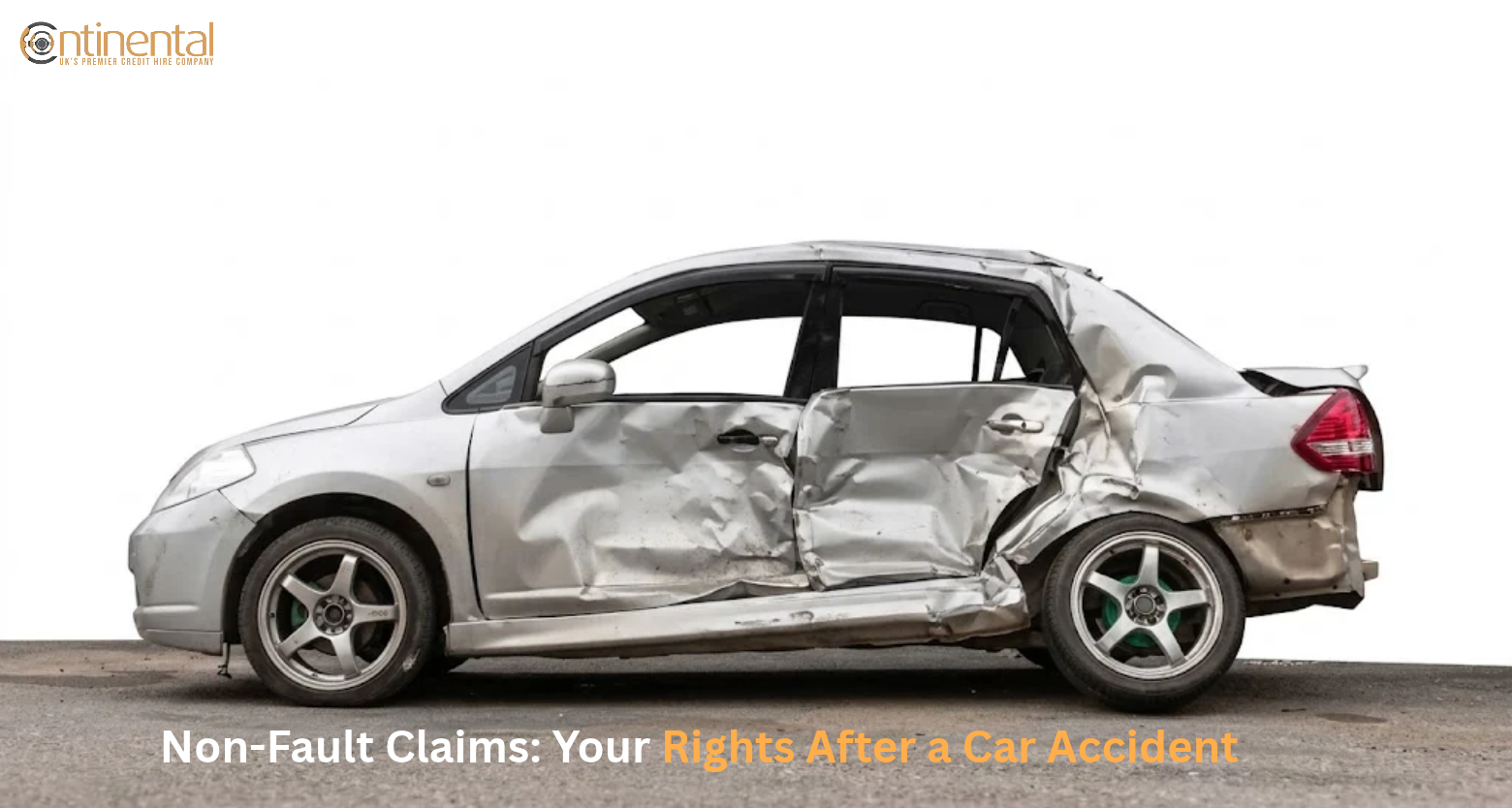
Non-Fault Claims: Your Rights After a Car Accident
A non-fault accident car hire UK service gives you a replacement car
Home » Automotive Blog » Car Insurance Settlement Explained: How Claims Are Resolved
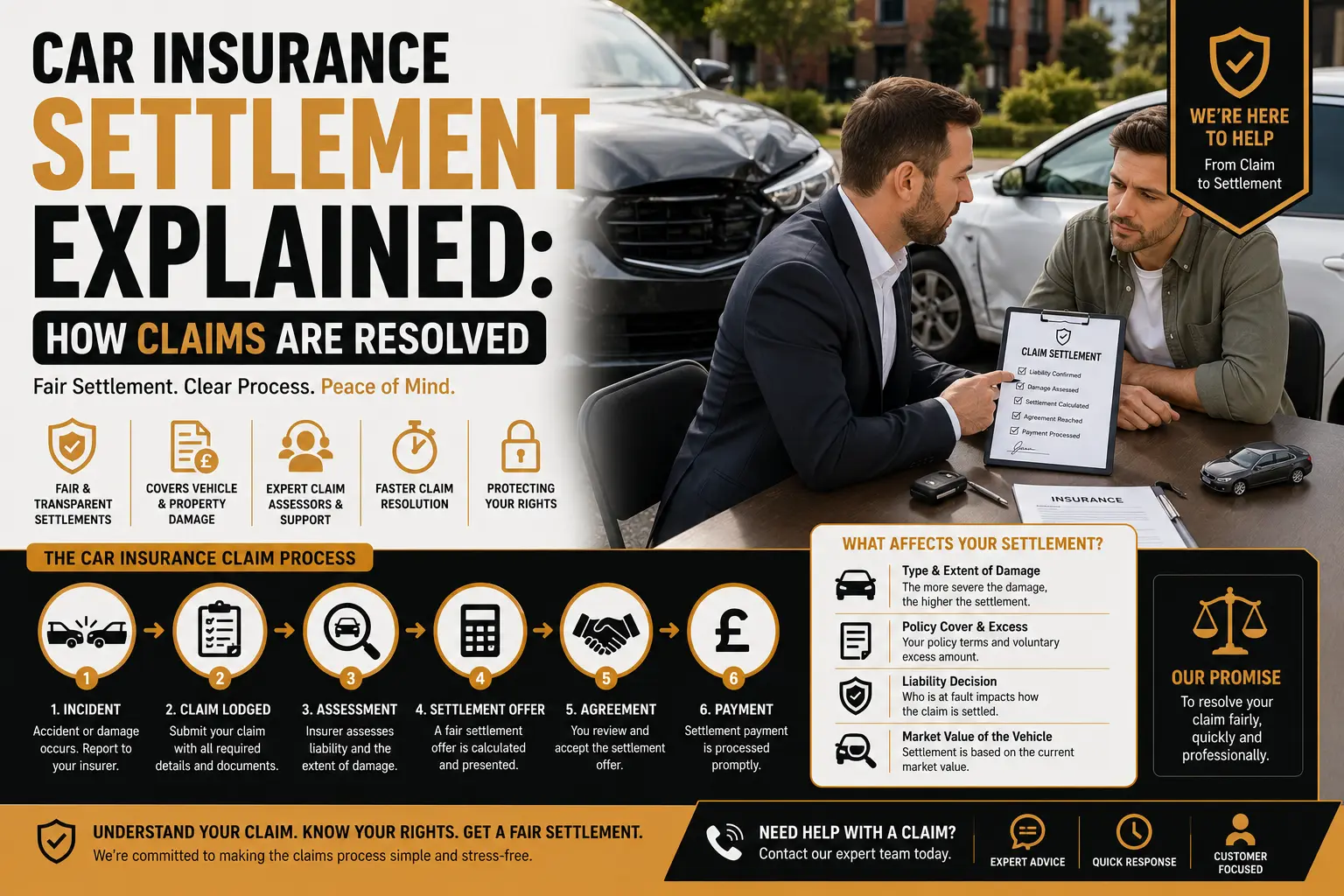
A car insurance settlement is how an insurer closes a claim. It may fund repairs, a write-off, or other clear losses. The final sum can change due to excess, finance, salvage, or shared fault. Your car’s value matters when repairs cost too much. The firm may pay a garage, pay you, or replace the car. Before you agree, check every figure and deduction. You can question a low offer with clear market proof. This guide follows the claim from checks to final payment.
A settlement is not always a cheque. The firm may arrange repairs or offer cash instead.
| Settlement Route | What Usually Happens |
| Managed Repair | The insurer authorises and pays an approved repairer to fix the vehicle. |
| Cash Payment | You receive a settlement and arrange the repairs yourself. |
| Write-Off Payment | You are paid the vehicle’s agreed pre-accident market value if it is declared a total loss. |
| New Car Replacement | If your policy qualifies, the insurer may replace the vehicle with a new equivalent model. |
| Interim Payment | Part of the compensation is paid before the claim is fully settled. |
A cash settlement for car damage gives you control. Check that it can fund safe work. A write-off follows when repairs cost too much. Insurers must handle claims fairly and pay promptly once terms are agreed.
An insurance settlement offer should explain the final figure. The headline sum may not reach your bank.
| Offer Item | What to Check |
| Car Value or Repair Cost | Confirm the valuation or repair estimate reflects the vehicle’s condition and market value. |
| Policy Excess | Check that the excess deducted matches the amount stated in your policy. |
| Shared-Fault Deduction | Make sure the liability split has been applied correctly. |
| Previous Damage | Ask for evidence if pre-existing damage has affected the settlement. |
| Outstanding Finance | Check whether the finance company will receive payment before any remaining balance is paid to you. |
| Salvage Rights | Confirm whether you can keep the vehicle and how this affects the settlement amount. |
An insurance excess deduction is often taken first. Finance or salvage may cut the sum again. Ask for a written breakdown.
A total loss settlement starts with the car’s pre-loss value. This means its worth just before the damage or theft. It is not always the price you paid.
Age, trim, mileage, condition, and options all matter. Service history may affect the vehicle market value too. The Ombudsman reviews valuation guides and market proof. The FCA says the first offer should be the insurer’s best estimate.
The lender may receive payment first. You get any money left then.
A motor insurance claim payout may be lower than you thought. Excess and shared fault are common reasons.
Keeping a Category S or N car also lowers the sum. The firm pays the set value, then sells the car back. GOV.UK says these cars can be kept after the right steps.
Old damage may cause another cut. The firm should show how it changed the value.
Never accept an insurance settlement offer based on one number. Check the model, trim, mileage, options, and deductions.
Ask:
A cash settlement for car damage may close only repairs. Another payment may close every agreed loss. Get this in writing.
You can challenge insurance valuation figures with clear proof. Ask for the report and correct wrong car details.
Find adverts for close matches. Match age, trim, mileage, and condition. Add service records and recent repair bills. Asking prices help, but do not prove sale prices.
Make a formal complaint if needed. Firms usually have up to eight weeks to reply. You may then contact the Financial Ombudsman Service.
Once both sides agree, the firm checks the owner and finance. It also handles salvage where needed. It then releases the motor insurance claim payout.
Open fault talks can delay payment. Missing finance figures may also slow it. Hire or injury losses may need more proof. The FCA requires prompt payment after terms are agreed.
Your policy may include a courtesy car. Another option may apply after a non-fault crash. Continental Car Hire can explain replacement vehicle options before hire starts. Check the terms and who will pay before booking.
A car insurance settlement may involve repairs, cash, or a write-off. Check the value, finance, salvage, excess, and fault cuts. A fair total loss settlement should match the car before the loss. Any insurance excess deduction should match your policy. Ask what remains open before accepting payment. Once terms are clear, the insurer should pay without delay.
It is the agreed way to resolve a claim. It may cover repairs, cash, or a write-off. Policy terms shape the result.
There is no fixed time. Simple claims may settle faster than disputed ones. Missing proof or finance details can cause delays.
No, you can review it first. Check the value and each deduction. Send proof if the amount seems low.
They assess its pre-loss vehicle market value. Age, mileage, trim, and condition matter. Guides and close adverts may support the figure.
Yes, the policy excess may be removed. It must match your policy. You may recover it after a non-fault result.
The insurer may pay the lender first. Any balance may then come to you. You could still owe money afterwards.
You may keep some Category S or N cars. The insurer normally deducts salvage value. DVLA rules still apply.
It is money paid directly to you. You then arrange the repair. Check that it covers safe work.
Ask for the report and correct errors. Use close adverts and service records. This helps you challenge insurance valuation fairly.
Not always, so ask first. Some payments cover only car damage. Others may close all agreed losses.
A non-fault accident car hire UK service gives you a replacement car

A non-fault accident car hire UK service gives you a replacement car
A non-fault accident car hire UK service gives you a replacement car
A non-fault accident car hire UK service gives you a replacement car
A non-fault accident car hire UK service gives you a replacement car
A non-fault accident car hire UK service gives you a replacement car