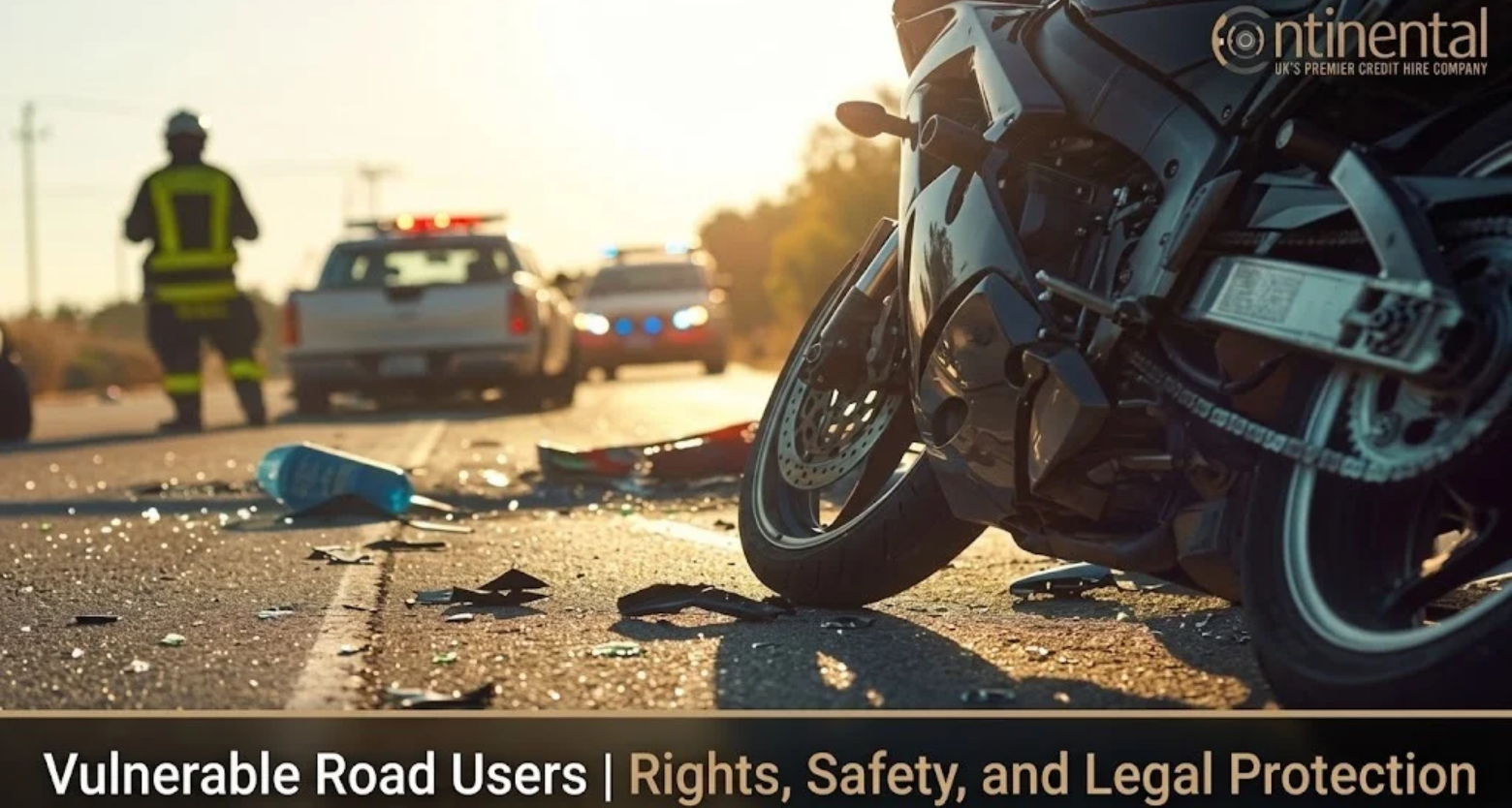
Vulnerable Road Users (VRUs): Rights, Safety, and Legal Protection
A non-fault accident car hire UK service gives you a replacement car
Home » Automotive Blog » Accidental Car Repair Checklist: Must-Have Essentials

Accidental Car Repair can feel overwhelming, especially after the stress of a crash. From minor fender benders to major collisions, understanding how to manage the repair process is essential to ensure your vehicle is restored safely and efficiently.
This guide walks you through the ultimate checklist of repair essentials, helping you make informed decisions and get back on the road with confidence.
Before diving into any repairs, it’s essential to understand the full scope of the damage. Ask yourself:
A comprehensive assessment helps ensure nothing is overlooked during the car repair after an accident process, preventing future problems.
Not all repair shops are created equal. When repairing a car after an accident, especially with high-performance or luxury vehicles, it’s important to select a repair centre specialising in accident repairs. Such centres have the right tools, expertise, and access to genuine parts, ensuring your vehicle is restored to its original condition.
Quality matters. Insist on OEM parts rather than aftermarket alternatives. Using original parts maintains your vehicle’s performance, safety, and resale value. It also ensures compliance with your insurance policy during accidental vehicle repair.
Ask the repair centre for a detailed timeline and explanation of the repair stages. Knowing how long each step takes helps you plan for alternative transportation and manage your expectations. Some shops even provide loaner cars while yours is in the shop, making the process hassle-free.
A trustworthy repair centre should offer warranties on labour and parts. This coverage protects you against defects or issues arising after the repair. Don’t hesitate to ask about these guarantees upfront; they’re vital for peace of mind during accidental car repair.
Before approving repairs, request a detailed invoice breakdown, including labour, parts, and any additional fees. Transparency in billing prevents surprises later and helps you understand what your insurance covers in the car repair after an accident scenario.
Clear communication with your insurer is key. Ensure the repair shop works closely with your insurance company, especially in non-fault accident claims, to streamline payment and avoid delays in repairing a car after an accident.
Once repairs are complete, inspect your vehicle carefully. Check that all damage has been addressed, and test-drive the car to confirm mechanical functionality. Don’t hesitate to ask for a final walk-through with the technician to clarify any concerns.
After major repairs, some vehicles require safety inspections or recertification to ensure all systems meet roadworthy standards. Confirm with your repair centre if this applies to your car, and keep any certification documents for your records.
Keep a file with all repair estimates, invoices, insurance communications, and any correspondence related to the accident. This documentation can be crucial if any issues arise later or if you decide to sell your vehicle.
A quality repair includes flawless paint matching. Ask your repair centre about their process for matching paint colours and finishing the vehicle to blend seamlessly with the original bodywork. Poor paint jobs can reduce your car’s aesthetic appeal and resale value.
Sometimes damage isn’t immediately visible, like frame alignment issues or suspension damage. Ensure the repair shop performs a comprehensive diagnostic check to uncover and fix hidden problems that could affect safety and performance.
While your vehicle is in the shop, it’s a good opportunity to address routine maintenance such as fluid changes, brake checks, and tire inspections. This proactive approach helps prevent future breakdowns and keeps your car running smoothly.
Depending on the extent of repairs, your car might be in the shop for days or weeks. Make arrangements for alternative transportation ahead of time to avoid disruption to your daily routine. Some repair shops offer rental or loaner vehicles as part of their service.
Handling accidental vehicle repair doesn’t have to be overwhelming. By following this ultimate checklist, you can confidently manage the repair process, safeguard your investment, and ensure your car is restored to its best condition. Remember, choosing the right repair centre and staying informed every step of the way makes all the difference.
If you’re facing the challenge of car repair after an accident, partnering with a trusted car accident management company ensures quality, transparency, and expert care, giving both your vehicle and your peace of mind the attention they deserve.
A non-fault accident car hire UK service gives you a replacement car
A non-fault accident car hire UK service gives you a replacement car
A non-fault accident car hire UK service gives you a replacement car
A non-fault accident car hire UK service gives you a replacement car
A non-fault accident car hire UK service gives you a replacement car
A non-fault accident car hire UK service gives you a replacement car