Home » Automotive Blog » Fleet Management 2025: 10 Hidden Cost-Saving Strategies

Fleet Management 2025: 10 Hidden Cost-Saving Strategies

Fleet Management Guide 2025

Managing a car fleet isn’t just about buying vehicles and putting them on the road. It’s a complex, data-driven operation that requires careful planning, smart technology, and cost-effective strategies. Whether you manage a small business fleet or oversee a large transportation network, understanding the lesser-known aspects of fleet management can unlock significant savings and efficiency.

In this guide, we’ll explore 10 things most people don’t know about car fleet management insights that can help you improve productivity, reduce costs, and stay ahead of the competition in 2025 and beyond.

Car Fleet Management Guide 2025

Most people think that telematics is just about tracking location. They are wrong, as telematics integrates many other factors as well. It collects a wide range of driver and vehicle data, including fuel efficiency, braking system, idle time, and maintenance alerts. Do you know how fleet managers can benefit from telematics?

  • They can optimise routes in real-time
  • Reduce fuel consumption
  • Monitor driver behaviour
  • Auto maintenance alert

Companies that use telematics can save 15-20% on fuel consumption and maintenance

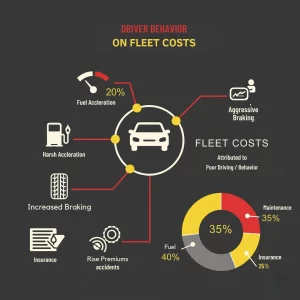
Driver Behaviour On Fleet Cost

It is an undeniable fact that driver behaviour has a great impact on a fleet’s budget. Fast driving leads to more fuel consumption and faster wear and tear, which increases the maintenance budget. There are more chances of accidents due to poor driving, which can increase the insurance premium of the vehicle.

Car Fleet Management requires some important things to do to improve driver behaviour, such as:

  • Implement a driver scorecard system
  • A reward for safe and efficient driving

Most company owners make major mistakes when purchasing a fleet of vehicles. They consider only the sticker price of the vehicles and ignore the total cost of ownership (TCO). It can create long-term issues for them. This is the reason that car fleet management guidance is an important element in business.

Preventive maintenance is basically a proactive approach that reduces vehicle downtime, extends vehicle life and lowers emergency repair costs. A good fleet maintenance plan includes the following:

  • Regular oil changes
  • Brake and tyre inspections
  • Engine diagnostics
  • Scheduled component replacements

Keeping the right-sized fleet is quite beneficial as it saves you money and reduces other expenditures. Overinvesting in the fleet is not justified; you need to focus on actual business needs. Steps to rightsize your fleet:

  • Track utilisation rates
  • Eliminate underused vehicles
  • Standardise vehicle types for common tasks

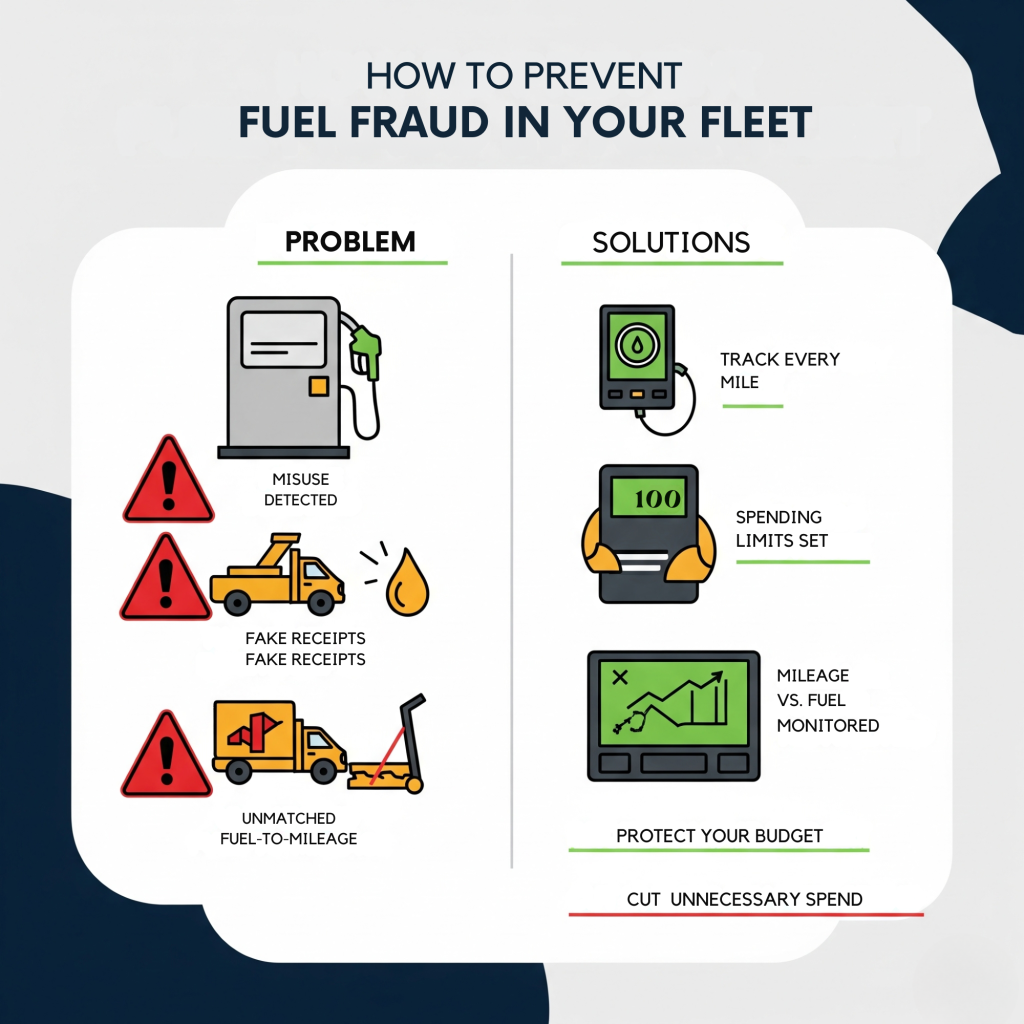
Fuel Fraud In Fleet

Yes, fuel fraud and misuse are very common, and fuel expenses can increase the maximum budget of the companies. Car Fleet Management needs to monitor the misuse of the fuel card and have an eye on falsified fuel receipts. Tips to avoid fuel fraud are given as: 

  • Use telematics with fuel card investigation
  • Set purchase limits for fuel
  • Monitor fuel-to-mileage ratios

Do you know excessive idling is a costly practice? It not only consumes fuel but also increases maintenance issues and contributes to air pollution. Do you know that an hour of idling can consume half a gallon of fuel? Fleet managers should: 

  • Monitor idle times with the help of telematics
  • Set idle time limits
  • Educate drivers about fuel conservation

Leasing fleet vehicles is beneficial in many ways. It reduces capital investment, offers tax advantages and provides an opportunity to upgrade the fleet. This is the best car fleet management way to save money. Leasing a fleet means getting vehicles on rent for two to four years. Benefits of leasing fleet vehicles include: 

  • Lower upfront costs
  • Access to newer and more efficient vehicles
  • Maintenance of vehicles is included most of the time

Fleet compliance is mandatory and includes driver licensing, vehicle inspection, emission standards, and hours of service rules (HOS). A good compliance system should:

  • Automate reminders for vehicle inspections
  • Store digital driver and vehicle records
  • Ensure up-to-date insurance and licensing

Sustainability in fleet management is no longer optional; it is expected. Businesses can significantly reduce fuel consumption by preferring electric vehicles. A green fleet also enhances the brand reputation and grabs the attention of eco-conscious customers. 

Conclusion

To sum it up, effective Car fleet management goes far beyond simply coordinating vehicles; it involves smart technology adoption, driver performance monitoring, and cost-saving strategies. Regular use of telematics, preventive maintenance, and right-sizing your fleet will help streamline operations and reduce unnecessary expenses. As the industry evolves in 2025 and beyond, applying these insights can help you build a high-performing fleet that supports your business goals.

Looking for expert support to optimize your fleet operations? Partner with Continental Car Hire to access tailored solutions that drive efficiency and growth.


 

Popular Categories

RELATED ARTICLES & GUIDES 👇