
Contributory Negligence Explained: When Your Actions Reduce Compensation
A non-fault accident car hire UK service gives you a replacement car
Home » Automotive Blog » Contributory Negligence Explained: When Your Actions Reduce Compensation
Contributory negligence means you can still receive compensation even if your own actions played a part in the accident or made your injuries worse. Instead of ending the claim, the law may reduce what you receive by a fair percentage. That figure depends on what you did, how much it affected the loss, and the evidence available. This guide explains how deductions work, when they apply, and when they may be worth challenging.
UK law allows damages to be reduced when loss is caused partly by the claimant and partly by someone else. The court looks at what is fair based on the claimant’s share of responsibility.
So, being a claimant partly at fault does not mean you get nothing. If your action made no real difference to the accident or injury, a deduction may not be justified.
A contributory negligence percentage can make a clear difference to the final amount.
| Total Claim | Your Share | Possible Payout |
| £20,000 | 0% | £20,000 |
| £20,000 | 10% | £18,000 |
| £20,000 | 20% | £16,000 |
| £20,000 | 25% | £15,000 |
| £20,000 | 50% | £10,000 |
Even a modest compensation reduction matters on a larger claim. The percentage should reflect how much your conduct contributed to the damage.
The well-known case Froom v Butcher gives a useful example. The other driver caused the crash, but the injured person had not worn a seat belt.
The court suggested:
These figures are seat-belt guidance, not fixed rates for every claim.
The current road-traffic protocol also says a seat belt compensation reduction should be supported by medical evidence about whether the belt would have reduced or prevented the injuries.
Contributory negligence can arise in many situations, not only seat-belt cases.
Examples include:
The key point is cause. Careless behaviour alone is not enough if it did not affect the accident or harm.
A personal injury claim should not be reduced simply because an insurer says you made a mistake.
Your action made no difference → a deduction may be wrong.
Your action clearly worsened the injury → a deduction may be fair.
Medical reports, CCTV, dashcam footage, witnesses and vehicle damage can all help. For road traffic accident compensation, medical evidence is especially useful when the dispute is about injury severity.
The two ideas can overlap, but they are different.
| Contributory Negligence | Split Liability |
| Considers whether your actions contributed to the loss or injury | Allocates responsibility between the parties involved |
| Can reduce the amount of compensation awarded | Can determine how claim costs or damages are shared |
| May consider whether your behaviour increased the extent of your injury or loss | Usually focuses on each party’s responsibility for causing the accident |
A passenger may not have caused the crash but could still face a deduction for not wearing a seat belt.
If an insurer proposes a deduction, ask how it reached that figure.
Check:
A contributory negligence compensation deduction needs a clear link between your conduct and the damage. If medical evidence, CCTV or witness evidence points the other way, challenge the reasoning.
A challenge is stronger when something important has been missed.
Worth a closer look:
Less likely to change:
A contributory negligence finding does not automatically destroy a valid claim. It should reduce compensation only to reflect your real share of responsibility. Even a 10% or 20% deduction can make a large financial difference, so ask how the figure was reached. Strong medical or accident evidence can justify a challenge. A fair result should follow the facts, not a convenient percentage.
It means your actions contributed to the accident, injury or loss. You can still receive compensation in many cases. The award may be reduced to reflect your responsibility.
Yes, being partly responsible does not normally end the claim. Your compensation may instead be reduced by a percentage. The amount depends on your contribution.
The figure should reflect your share of responsibility for the damage. Insurers or courts consider the facts and evidence. There is no standard rate for every accident.
There is no single percentage for every claim. The deduction depends on the facts and your role in the loss. The figure should be supported by evidence.
It can if the belt would have reduced or prevented your injuries. Traditional guidance uses no deduction, about 15%, or about 25%. Medical evidence helps decide which result applies.
Yes, if your conduct helped cause the loss or worsened the injury. The reduction should match the effect of your actions. Your right to claim does not automatically disappear.
No, although the two can overlap. Split liability often divides responsibility for the collision itself. This rule can also focus on how an injury became worse.
Yes, the argument needs evidence. The other side should explain how your conduct contributed to the damage. A bare allegation should not be enough.
Yes, especially if the evidence does not support the percentage. Ask for the reasoning and provide any missing evidence. Stronger evidence can change the outcome.
Not always in the same way. It depends on the loss and how your actions contributed to it. Complex cases may need legal advice.
A non-fault accident car hire UK service gives you a replacement car

A non-fault accident car hire UK service gives you a replacement car
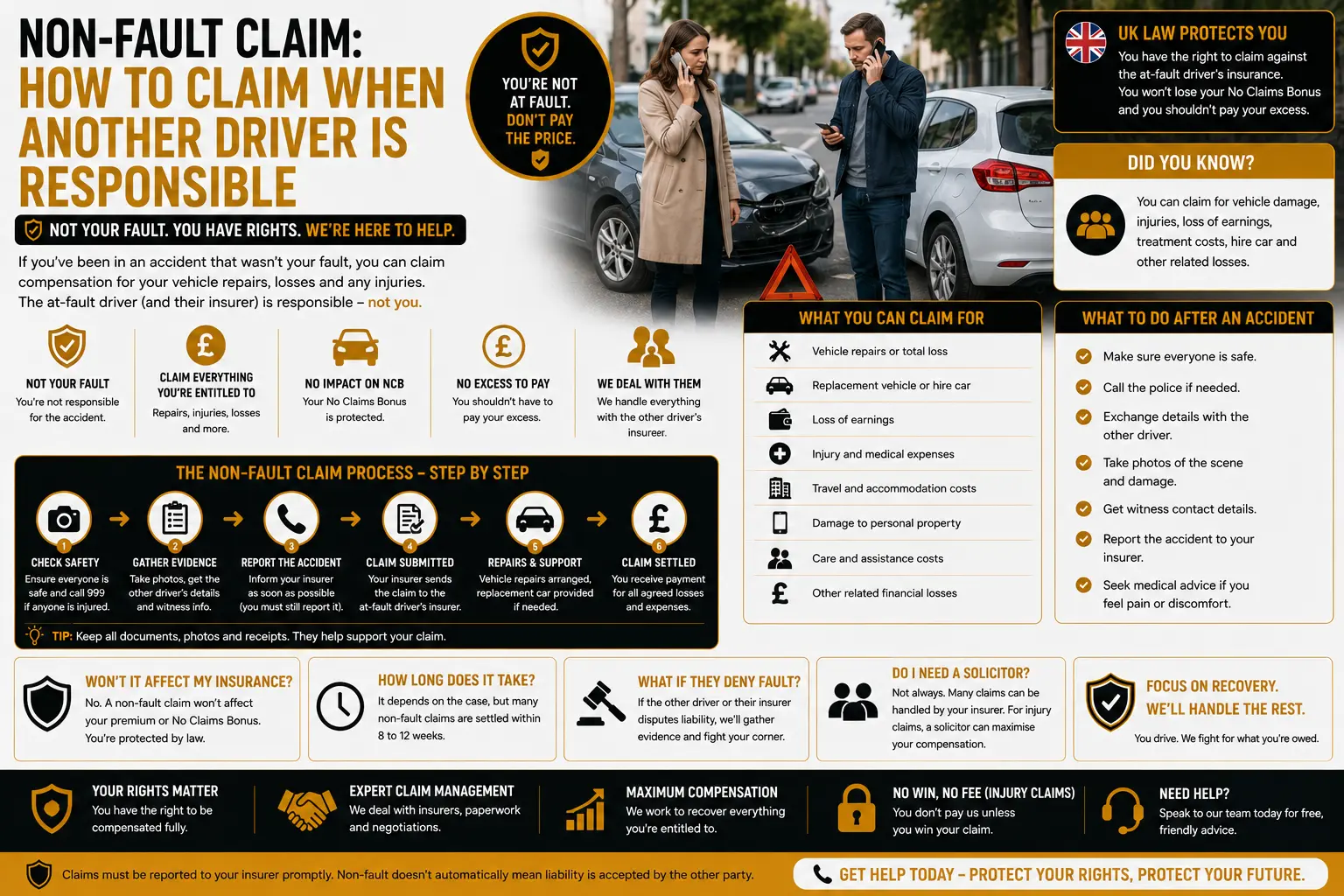
A non-fault accident car hire UK service gives you a replacement car
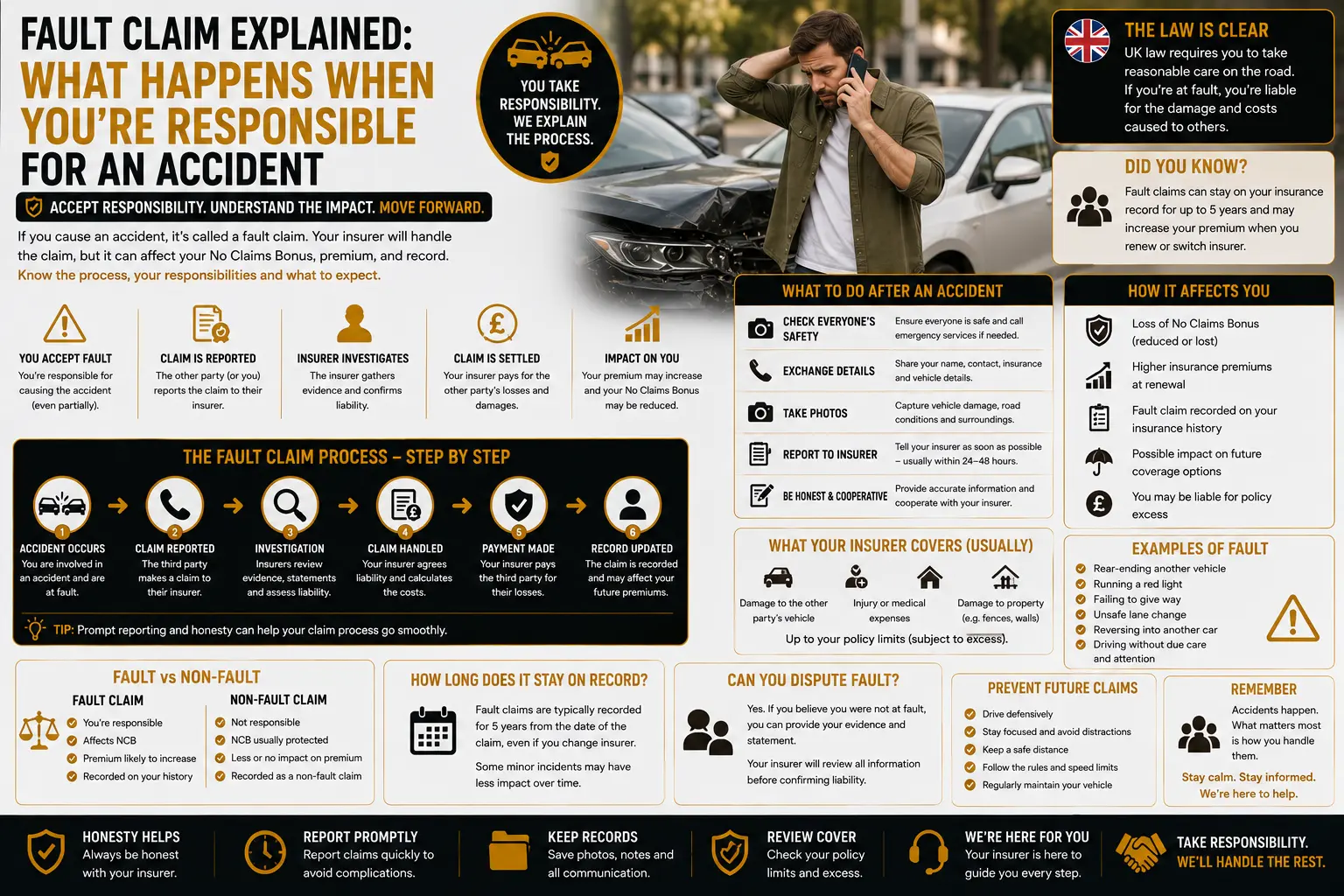
A non-fault accident car hire UK service gives you a replacement car

A non-fault accident car hire UK service gives you a replacement car
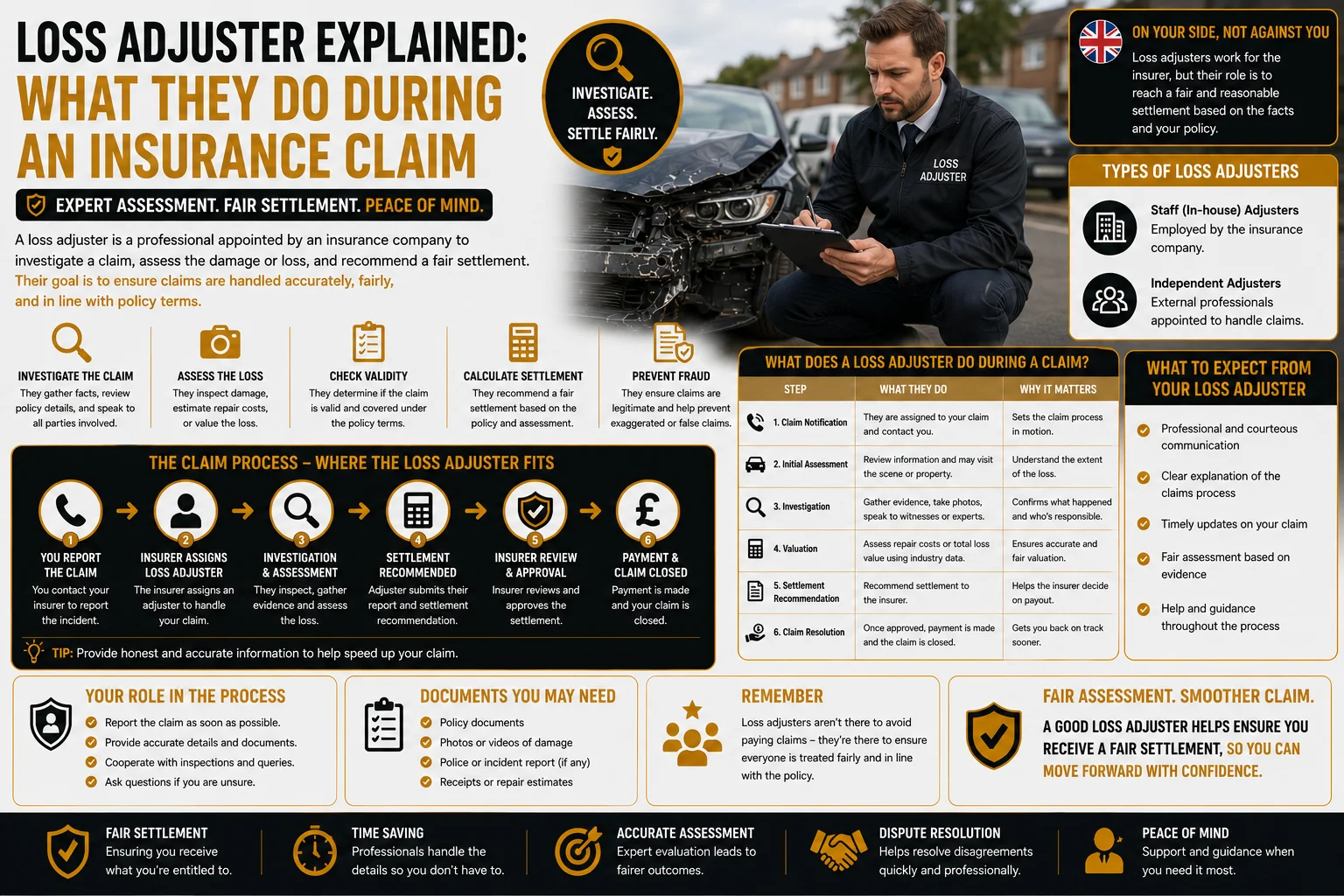
A non-fault accident car hire UK service gives you a replacement car