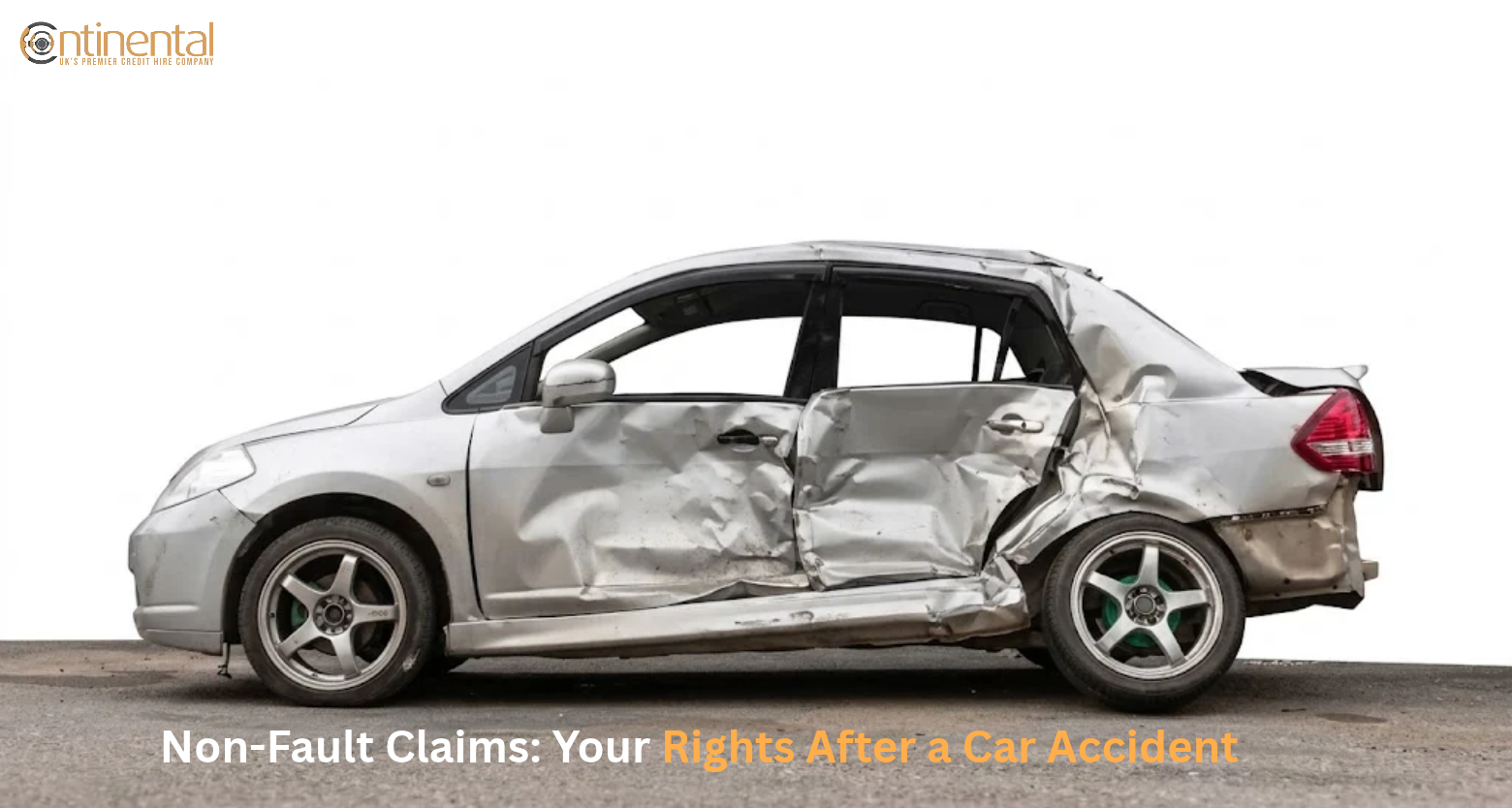
Non-Fault Claims: Your Rights After a Car Accident
A non-fault accident car hire UK service gives you a replacement car
Home » Automotive Blog » Who Is The Insured? A Complete Guide for Policyholders
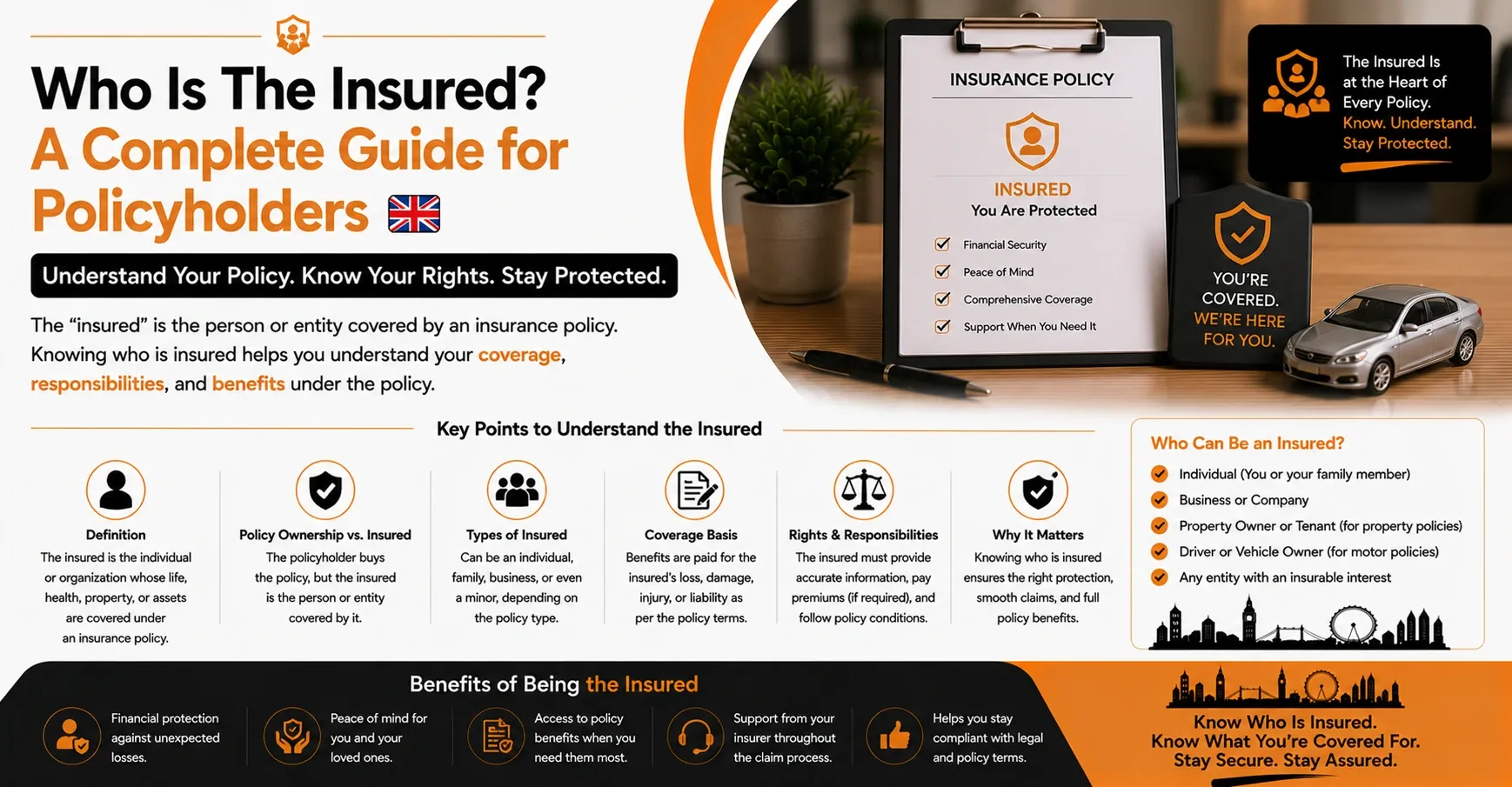
The insured is the person, people, or business covered by an insurance policy. This may sound simple, but it can still confuse. One policy can include a policyholder, a named driver, a family member, a worker, or even a business partner. If the wrong person is listed, a claim may become harder to handle. This guide explains who is covered, what the main terms mean, and why checking the policy details matters.
In simple words, the insured is the person or business protected by the policy. If something covered happens, the insurer may help with repair costs, payment, legal cover, or another type of support.
The cover depends on the policy type. A car policy may cover drivers. A home policy may cover the homeowner or tenant. A business policy may cover the company and certain workers.
Policyholder meaning is quite simple. The policyholder is the person who buys or owns the policy.
In many cases, the policyholder is also the person covered. But this is not always true. For example, a parent may buy cover for a child, or a business owner may buy cover for staff. That is why policyholder meaning should not be confused with who is fully covered.
A named insured is a person clearly written on the policy. This person often has main rights under the cover.
The named insured may be able to change details, renew the policy, ask for documents, or make key choices. Their name must be correct. Wrong spelling, old addresses, or missing names can cause delays.
An insured person is someone covered by the policy. This could be the policyholder, a named driver, a family member, a worker, or another approved person.
An insured person may have cover only in certain cases. For example, a driver may be covered only for personal use, not business use. Always check the policy before assuming someone is protected.
The name on the policy matters because it shows who has cover. If the wrong person is named, the insurer may ask more questions during a claim.
This can slow things down. It may also create a dispute if the insurer thinks the right details were not given. Check names, addresses, dates of birth, vehicle details, and business details when you buy or renew cover.
Insurance words can feel similar. This table makes them easier to understand.
| Term | Simple Meaning |
| Policyholder | The person who buys or owns the insurance policy. |
| Named insured | The primary person named on the insurance policy. |
| Insured person | Anyone covered under the terms of the policy. |
| Claimant | The person making an insurance claim. |
| Insurer | The insurance company that provides the cover. |
This is where insured vs claimant becomes important. The insured person is the one covered by the policy. The claimant is the person asking for payment or help after a loss.
In some cases, they are the same person. If your own car is damaged, you may be both covered and claiming. But if another person claims against your policy, that person may be the claimant, while you remain the covered person under your own policy.
Your policy papers explain exactly who is covered. These insurance policy terms also explain what is not covered.
Do not only read the first page. Check the sections about drivers, family members, business use, guests, workers, limits, and exclusions. The insurance policy terms can show when the insurer may accept or refuse a claim.
Before you assume someone is covered, check the details first. A short check can prevent a much bigger problem later.
Use this checklist:
One common mistake is thinking every family member is covered. This is not always true, especially with car, travel, health, and business insurance.
Another mistake is forgetting to update the policy. You may need to tell the insurer if someone moves in, starts driving the car, joins the business, changes job, or changes address. Small updates can save a lot of stress later.
Knowing who the insured is can help you avoid claim problems. It tells you who is covered, who may need to be added, and who can use the policy.
The best step is simple. Read the policy, check all names, and update changes early. A clear policy makes life easier when something goes wrong.
It means the person or business covered by a policy. If a covered event happens, the insurer may help. The exact help depends on the policy.
Not always. The policyholder buys or owns the policy. The covered person may be the same person or someone else.
A named person is someone listed in the policy papers. They may have cover under certain rules. Always check what cover applies to them.
Yes, many policies can cover more than one person. This may include a partner, child, driver, or worker. The policy wording explains who is included.
The right name helps avoid claim delays. Wrong names can lead to extra checks. Fix mistakes as soon as you notice them.
They may not be covered. This can cause problems if they need to claim. Add them before they rely on the policy.
Insured vs claimant means covered person versus claim maker. Sometimes they are the same person. Sometimes another person makes the claim.
Yes, update the insurer when key details change. This may include address, drivers, work use, or household changes. Early updates help avoid disputes.
Yes, a business can be covered by a policy. The policy may also cover owners, staff, or certain activities. Check the wording for exact details.
Read the policy before you rely on it. Check names, roles, and covered people. Ask for clear wording if anything is unclear.
A non-fault accident car hire UK service gives you a replacement car

A non-fault accident car hire UK service gives you a replacement car

A non-fault accident car hire UK service gives you a replacement car
A non-fault accident car hire UK service gives you a replacement car

A non-fault accident car hire UK service gives you a replacement car

A non-fault accident car hire UK service gives you a replacement car