Non-Fault Claims: Your Rights After a Car Accident
A non-fault accident car hire UK service gives you a replacement car

Home » Automotive Blog » Police Report (Log Number): Why It’s Important After a Road Accident
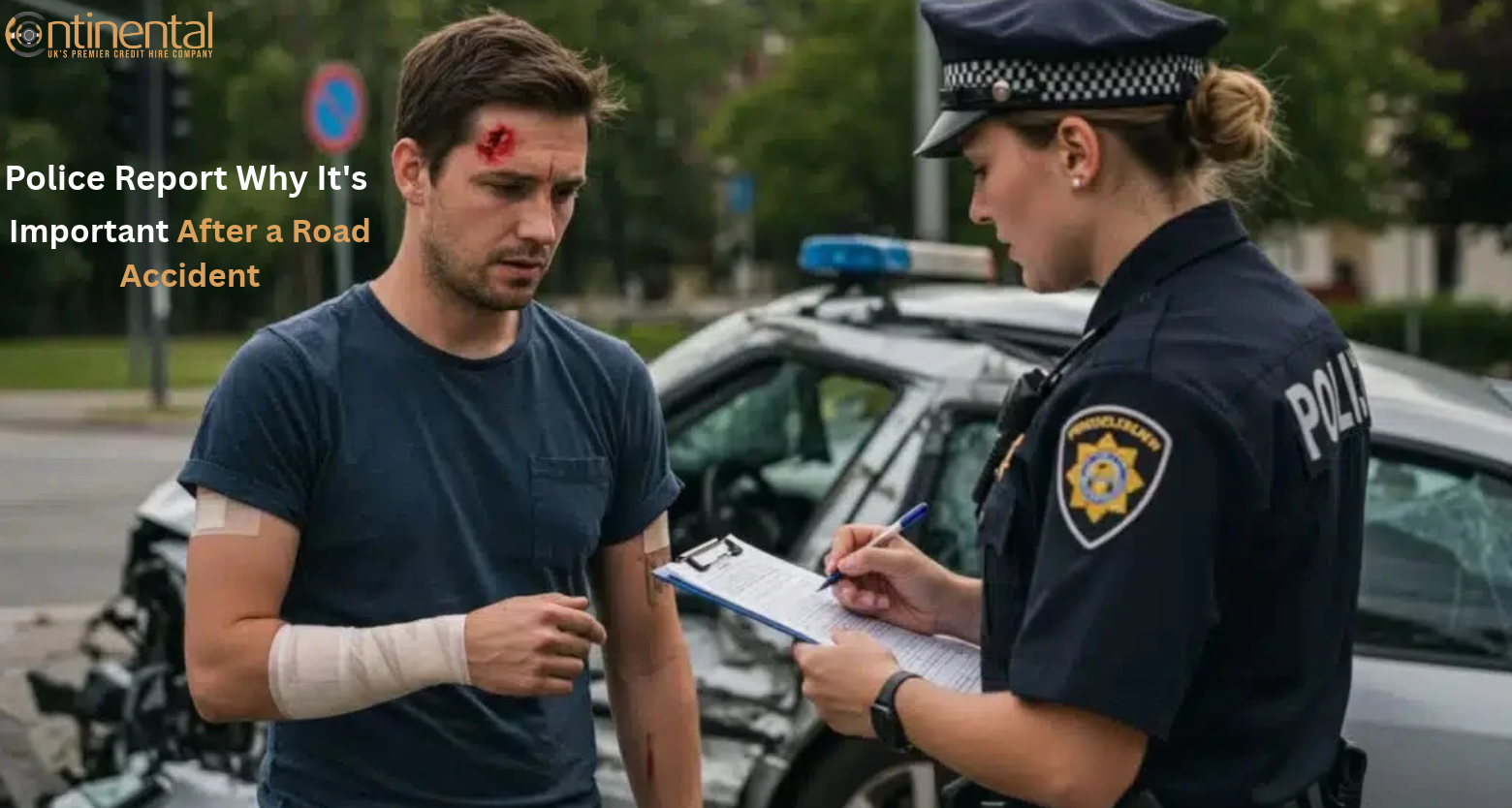
A UK police report log number is an official receipt that protects you from criminal liability under the Road Traffic Act after an accident. It is also a mandatory requirement for insurers to validate claims and enables solicitors to access crucial evidence. After a road accident, many drivers are unsure whether they should contact the police, what reference number they need, and whether it will help their claim. The answer depends on the circumstances of the collision, including injuries, damage, safety concerns and whether information can be exchanged.
This guide explains what a police log number means, when it is needed and how it fits into the claims process.
A police report log number is a reference created when an accident or incident is reported to the police. It allows the police to locate the record of the incident if information is needed later. Different police forces may use different terms for this reference.
You may hear it called:
Although the name may vary, the purpose is generally the same. It confirms that the incident was reported and allows the police record to be identified.
However, a police reference number is not a decision about fault. It does not automatically show that one driver was responsible. Insurance companies usually assess liability separately using all available information, including vehicle damage, photographs, witness accounts and any available recordings.
For example, a driver may have a police log number after a collision, but the insurer may still need to review how the accident happened before deciding responsibility.
A police report supports the claim process, but it does not replace evidence about the accident itself.
Police involvement is mainly important when an accident involves injury, danger, missing information or circumstances that may require investigation.
You should consider contacting the police if:
However, not every minor accident requires police attendance. If everyone is safe and drivers exchange the required details, the incident may often be handled through insurers. The key question is whether police involvement is needed to deal with safety, legal duties or uncertainty about what happened.
The correct police contact method depends on how serious the situation is.
Call 999 when there is an immediate risk to people or road safety. This includes situations such as serious injuries, someone being trapped in a vehicle or a collision creating a dangerous obstruction. Emergency services can then decide what assistance is required, including police, ambulance or fire service attendance.
For situations that are not immediately dangerous, 101 may be the appropriate route. This may apply when you need to report an accident after leaving the scene, provide information about an incident or report circumstances that do not require an emergency response.
Contact Method | Type of Situation | Example Scenarios |
Call 999 | Emergency Immediate risk to life, person, or road safety. | • Serious injuries or someone trapped in a vehicle. • The collision creates a dangerous road obstruction. • Hostile, threatening, or aggressive behaviour at the scene. |
Call 101 | Non-Emergency The situation is safe but requires police tracking. | • Reporting an accident after leaving the scene. • Providing follow-up information about an incident. • Minor collisions where the other driver refuses to give details. |
The exact process can vary between police forces, so follow the guidance provided by the relevant police service.
A police log number confirms that an incident was recorded. It does not mean that the police have decided who was responsible or that a claim will automatically succeed. The information recorded depends on the circumstances and level of police involvement.
It may include details such as:
However, the record created at the time may not contain every detail required for an insurance decision. For example, the police may record that two vehicles collided at a specific location, but insurers may still need further evidence to understand which driver was responsible.
This is why photographs, dashcam footage and witness information remain important even when police attend.
A police reference number can make communication easier after an accident because it gives insurers, solicitors or other relevant parties a way to identify the reported incident.
It may be useful when:
Keep the reference number with your accident documents and provide it when requested. However, do not rely on the reference number alone. A successful claim usually depends on the complete picture, including evidence showing what happened before, during and after the collision.
The police record is one part of the evidence, not the entire claim.
The reference number you receive after contacting the police depends on the type of incident and how it is recorded. Although these terms are sometimes used in similar ways, they can refer to different types of police records.
A police incident number or log number usually relates to an incident reported to the police, such as a road accident. It allows the police to locate the information recorded when the incident was first reported.
A crime reference number is generally linked to a suspected criminal offence rather than a standard collision. For example, it may apply where an accident involves allegations of dangerous driving, criminal damage, theft or a driver failing to stop.
Reference Type | What It Confirms | Typical Circumstances |
Log / Incident Number (Also called CAD reference) | Confirms that a road incident was officially reported and recorded. | • Standard collisions where drivers safely exchange details. • Minor safety concerns or vehicle breakdowns blocking a lane. |
Crime Reference Number | Links the incident to a suspected criminal offence under police investigation. | • Hit-and-run accidents (driver fails to stop). • Allegations of dangerous driving or driving under the influence. • Criminal damage, theft, or physical assault. |
The difference can matter because insurers, solicitors or other organisations may request a specific reference depending on the circumstances. For example, a straightforward collision where drivers exchange details may only result in an incident record. However, an accident involving suspected offences may be recorded and investigated differently.
Always keep the reference number provided by the police and confirm what type of record it relates to.
Reporting an accident does not always mean the police will carry out a full investigation. The level of police involvement depends on factors such as injuries, safety concerns, available information and whether an offence may have occurred.
After a report is made, the police may:
However, many minor collisions are recorded without a detailed investigation. This is why drivers should not assume that a police report will contain a complete explanation of how the accident happened. The record may confirm that an incident was reported, but insurers may still require additional evidence when assessing responsibility.
If you reported an accident but cannot find your police reference number, you may still be able to request it from the relevant police force.
You may need to provide details such as:
The process can vary between police forces, and information may only be provided to people who are authorised to receive it. It is best to obtain and save the reference number as soon as possible. This can prevent delays if your insurer, solicitor or another party later needs confirmation that the accident was reported.
A police reference number does not automatically provide access to a complete accident report. It only confirms that a police record exists. Whether you can obtain further information depends on the circumstances of the accident, the type of record created and whether disclosure is permitted.
For example, a simple incident record may contain basic details about the collision, while an accident involving injuries or suspected offences may involve more detailed information. Your insurer may also request relevant information during the claims process, but a police record is only one part of the evidence available.
A police report can support your claim, but it is not a replacement for photographs, witness evidence, medical records or other proof.
A police log number can be useful, but strong accident claims usually rely on several pieces of evidence together. Where it is safe to do so, collect information that helps explain what happened before, during and after the collision.
Useful evidence may include:
Preserve evidence carefully after collecting it.
For example, save original dashcam footage before it is overwritten, avoid editing recordings and keep photographs in their original form. Also keep emails, repair estimates and insurer correspondence because they may become relevant later.
A common misunderstanding is that a police report decides who caused an accident. In reality, police records and insurance liability decisions serve different purposes. The police may investigate whether an offence occurred, while insurers assess responsibility for losses using the available evidence.
For example, an officer may record both drivers’ accounts after attending a collision. However, the insurer may later review vehicle damage, witness statements, photographs or dashcam footage before deciding whether liability should be accepted.
Therefore:
A police reference number supports the record of the accident, but it does not automatically prove that another driver was responsible.
A police report is helpful, but it is not always required to make a road accident claim.
Many collisions are handled through insurers without police attendance, especially where:
However, without police involvement, other evidence becomes even more important. For example, photographs, dashcam footage, witness accounts and vehicle damage can help insurers understand what happened.
If responsibility is disputed, the absence of a police report does not automatically prevent a claim, but it may mean there is greater reliance on other evidence.
Some drivers only realise later that they need to report an accident. This may happen when injuries appear after the collision or when the other driver’s behaviour becomes a concern.
If you believe the accident should have been reported, follow the appropriate reporting process as soon as possible. Explain what happened clearly and provide any information you have available.
Some injuries, particularly soft tissue injuries, may not be immediately obvious after a collision. Therefore, seeking medical advice and keeping records of symptoms can also be important if an injury claim is later considered.
A police reference number can become especially important when the other driver is uninsured, unidentified or leaves the scene.
In these situations, there may be no standard insurance policy to claim against. The Motor Insurers’ Bureau (MIB) manages certain claims involving uninsured and untraced drivers, depending on the circumstances.
If you are involved in a hit-and-run or an accident involving an uninsured driver:
The more information available, the easier it can be to understand what happened and progress the matter.
A police report can support a road accident claim, but it is only one part of the evidence used to understand what happened. Insurance companies usually review the complete circumstances of the collision before making decisions about liability or compensation.
The evidence considered may include:
A police reference number can confirm that an incident was reported and recorded. However, it does not automatically show who caused the accident or guarantee that an insurer will accept responsibility.
For example, a driver may provide a police log number after a collision, but the insurer may still need to review photographs, witness accounts or vehicle damage before reaching a decision.
A police report supports the claim record, but liability is usually assessed using all available evidence together.
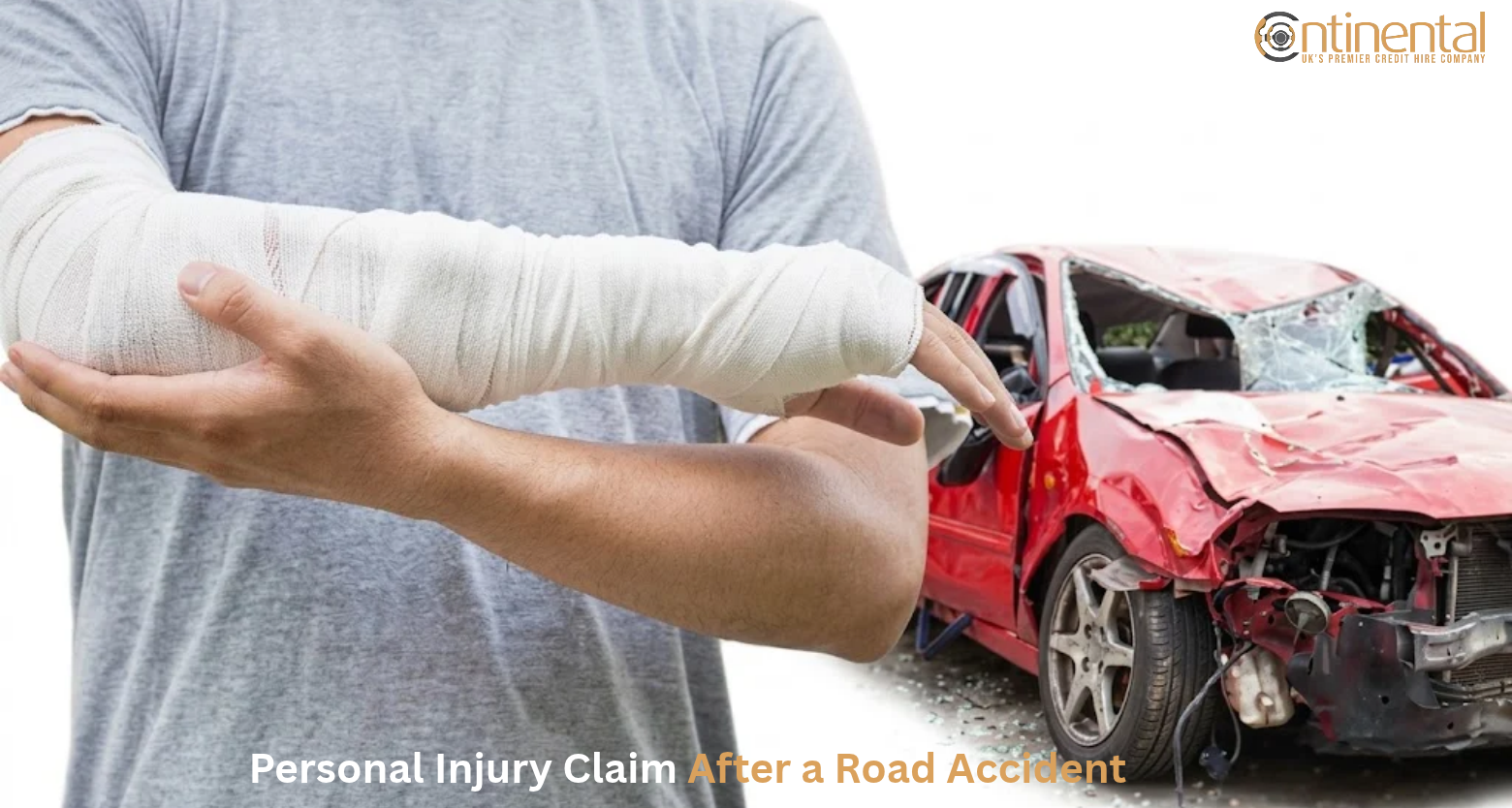
If someone suffers an injury after a road accident, a police reference number may help confirm that the collision was reported. However, it does not prove the injury itself or determine how much compensation may be available.
Personal injury claims usually rely on additional evidence, including:
For example, a police record may confirm that a collision happened at a certain location, but medical evidence is needed to explain the injury, recovery period and impact on the person.
The police record helps establish the accident background, while medical evidence helps establish the injury.
Police attendance is not required for every road accident. Many minor collisions are handled between drivers and insurers without officers attending the scene. You may still be able to continue with an insurance claim if the police were not present. In these situations, other evidence becomes especially important.
This may include:
If you believe the accident should have been reported due to injury, safety concerns, missing details or suspected offences, follow the appropriate reporting process as soon as possible.
No police attendance does not automatically prevent a claim, but clear evidence becomes even more important.
Many drivers expect to receive a document called a “police accident report” after a collision. However, the process does not always work this way. In many cases, the police provide a reference number linked to the incident record rather than a full report automatically issued to drivers.
The information available depends on factors such as:
Therefore, having a police reference number does not necessarily mean you will receive a complete explanation of the accident. Your insurer may still need additional evidence to assess the circumstances and determine responsibility.
The steps taken after an accident can affect how easily the situation is resolved. Avoiding common mistakes can help protect important information and prevent unnecessary delays.
A police report does not automatically decide who caused the accident. The police may investigate offences, while insurers assess responsibility for financial losses. These processes can involve different evidence and different considerations.
Some drivers report an accident but fail to save the reference number. This can create delays if your insurer, solicitor or another organisation later needs confirmation that the incident was reported.
Keep the reference number with:
The longer you wait, the more difficult it may become to gather evidence. CCTV recordings may be deleted, vehicles may be repaired, and witnesses may become difficult to contact.
Where possible, preserve:
After an accident, avoid making statements about who was definitely responsible before all information has been reviewed.
Instead of saying:
“The other driver caused everything.”
Provide factual information:
“The other driver entered into my lane, causing the collision.“
A clear factual account is more useful when insurers or other parties review the incident.
Many insurers require you to report an accident, even if you do not plan to make a claim. Failing to notify your insurer may affect your policy conditions. Always check your policy requirements and provide accurate information.
Once you have a police reference number, keep it as part of your accident records and continue gathering any information that may support your claim.
Useful next steps include:
These actions do not guarantee a particular claim outcome, but they help create a clearer record of the accident. Struggling to stay mobile after a non-fault accident? Continental Car Hire can provide an eligible replacement vehicle in as little as 90 minutes
A police report log number can be valuable after a road accident because it confirms that the incident was recorded and provides a reference for future communication. However, it does not automatically prove fault or guarantee a successful claim. The strongest approach is to combine police information with photographs, witness evidence, medical records and other available information. If you are dealing with the practical challenges after an accident, getting the right support early can help reduce unnecessary disruption.
No. A police report is not always required, and many claims proceed using evidence such as photographs, witness details, vehicle damage and insurance information.
No. A police report records information about the incident, but insurers usually assess fault using all available evidence.
Contact the police force that recorded the incident and provide details such as the accident date, location, vehicles involved and your personal information.
A log number usually relates to a reported incident, while a crime reference number is generally connected to suspected criminal activity or offences.
Yes. You may still be able to claim, but evidence such as photographs, witness details and dashcam footage may become more important.
Contact the police force that dealt with the incident and provide accident details so they can help locate the record where possible.
No. Police involvement depends on factors including injuries, safety risks, available information and whether an offence may have occurred.
Possibly. Access depends on the circumstances, the information recorded and the relevant police force’s disclosure process.
Useful evidence includes photographs, dashcam footage, witness information, vehicle damage assessments, repair documents and medical records where injuries are involved.
Yes. Even if another driver accepts responsibility, follow the correct reporting and insurance process because statements at the scene may not settle liability.
After a non-fault accident, dealing with vehicle repairs is only one part of the problem. Many drivers also need transport while their vehicle is unavailable. Continental Car Hire is a Trusted Replacement Vehicle Provider, helping eligible drivers arrange suitable replacement vehicles after qualifying non-fault accidents.
With over 22 years of experience and a fleet of 200+ vehicles, we provide replacement vehicle support to help you stay mobile while your vehicle is being repaired or assessed. We offer a free consultation to discuss your situation, and assistance may be available within around 90 minutes, depending on eligibility, location and vehicle availability.
If you need help arranging a replacement vehicle after a non-fault accident, contact Continental Car Hire on +44 208 743 7469 to discuss your options.
A non-fault accident car hire UK service gives you a replacement car
A non-fault accident car hire UK service gives you a replacement car

A non-fault accident car hire UK service gives you a replacement car
A non-fault accident car hire UK service gives you a replacement car
A non-fault accident car hire UK service gives you a replacement car
A non-fault accident car hire UK service gives you a replacement car
Copyright © 2026 Continental Car Hire Ltd. All Rights Reserved.
Continental Car Hire Ltd is authorised and regulated by the Financial Conduct authority (FRN 711301)