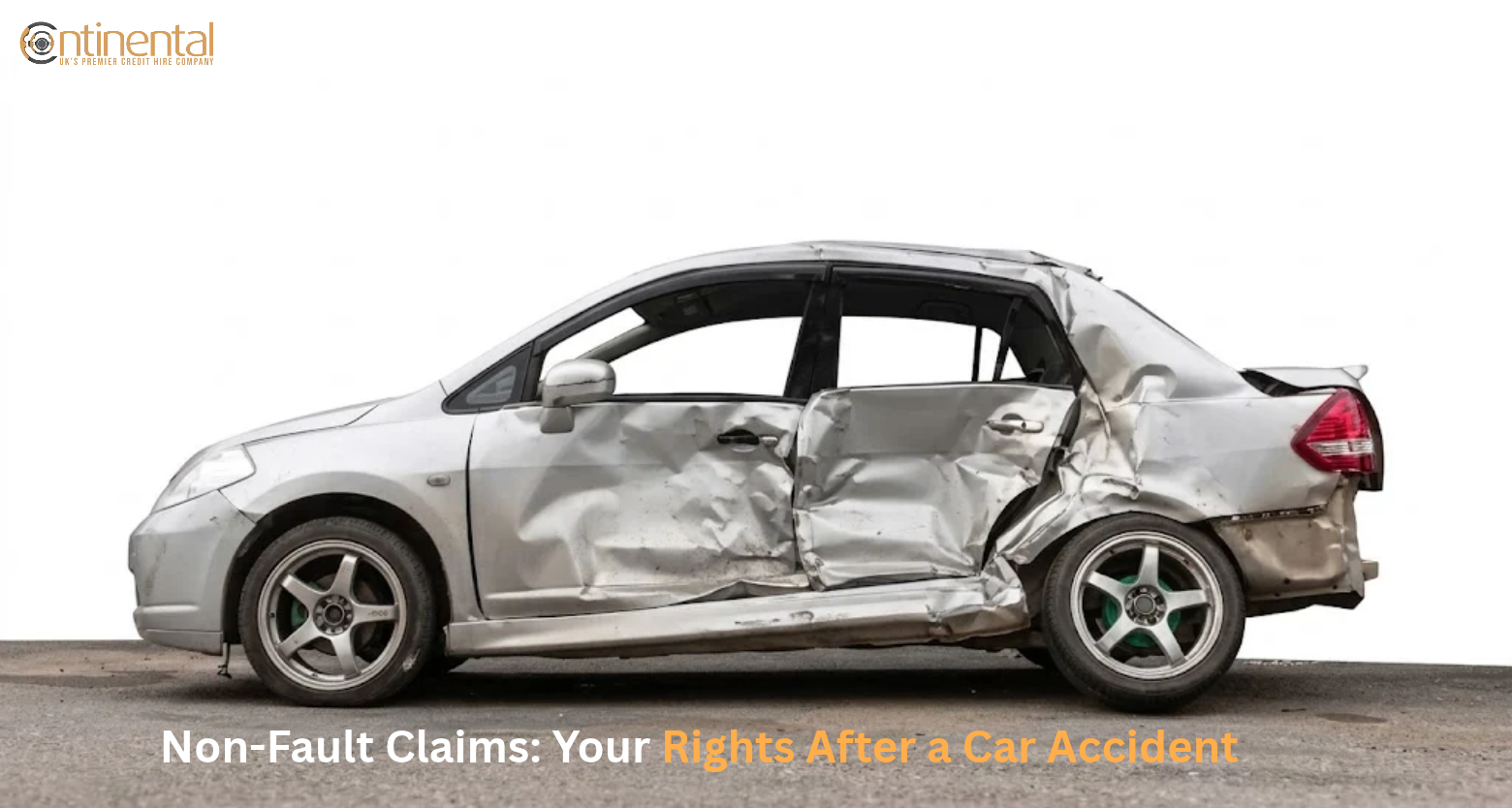
Non-Fault Claims: Your Rights After a Car Accident
A non-fault accident car hire UK service gives you a replacement car
Home » Automotive Blog » Material Damage Claim: How Vehicle and Property Damage Claims Work

A material damage claim is about physical harm to a car, home, building, contents, or other insured property. It is not mainly about injury, stress, or loss of time. The claim focuses on what was damaged, when it happened, and how much repair may cost. Clear photos, repair notes, and honest reporting can make the process easier. This guide explains first steps, evidence, checks, repair pricing, delays, and settlement outcomes.
A material damage claim deals with real damage that can be seen, measured, or supported by reports. It may involve a dented car, cracked bumper, broken window, damaged wall, flooded floor, or fire-damaged contents.
In simple words, it is a physical damage claim for something broken, harmed, or reduced in value. The damage should link to an insured event, such as an accident, leak, storm, fire, impact, or theft damage. If the issue is old or gradual, the claim may need stronger proof.
Your first actions can shape the whole claim. Take clear photos before anything is moved, cleaned, or repaired. Capture close and wide images so everything is evident properly.
Note the time, date, place, and all the details of the damage. If damage may get worse, take safe steps to limit loss. Do not discard the damaged items instantly.
A clear report helps the insurer understand the case faster. Explain what was damaged, where it happened, when it happened, and what caused it. Keep the wording simple and factual.
Avoid guessing if you are unsure. Say what you know, and explain what still needs checking. Share photos, videos, and early repair notes.
A vehicle damage claim usually starts with accident details. Photos are also needed. The insurer might inspect the impact area, road situation, vehicle condition, and repair cost. They may also compare the damage with the accident description.
The car may go to an approved garage or another repairer. The garage may check panels, paint, lights, sensors, wheels, and hidden parts. If repairs cost more than the vehicle is worth, the car may be written off.
A property damage claim may involve a home, rented property, shop, office, garage, wall, ceiling, floor, door, window, or contents. All the details of the damaged area should be described clearly, as it can spread.
A leak may affect plaster, flooring, decoration, electrics, and furniture. Fire can also cause smoke damage other than the burnt area. Storm damage may affect roofs, fences, gates, or windows. Gradual damage may need extra proof.
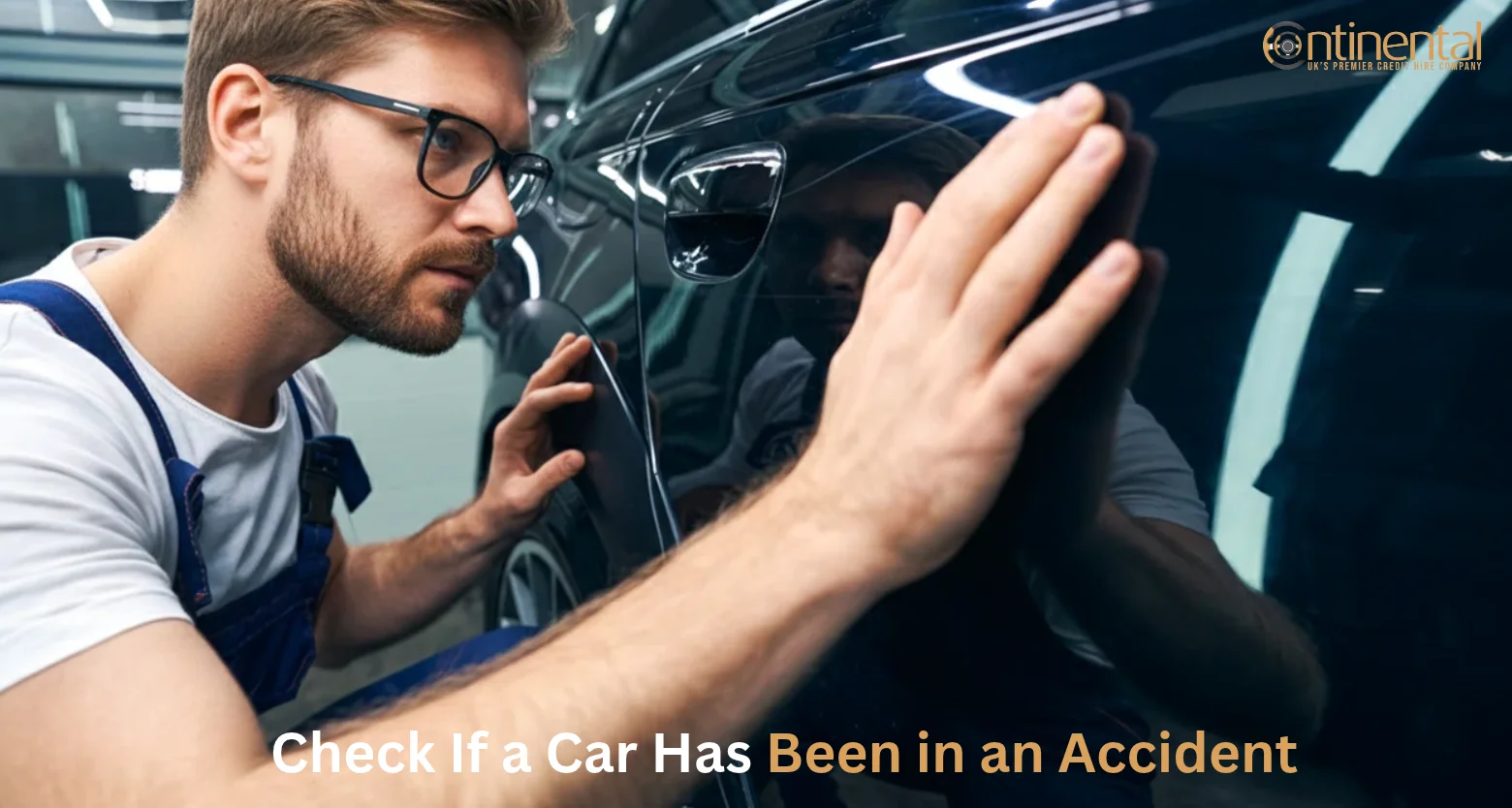
A damage assessment checks the loss before the claim moves forward. It may be done by an insurer, assessor, garage, contractor, or repair specialist. They look at the reason, visible damage, repair method, and approximate cost.
A repair estimate explains what work is needed and what it may cost. For cars, this may include parts, labour, paint, sensors, or calibration. For property, it may include drying, plastering, plumbing, flooring, or decoration. The first quote may change if hidden damage appears later.
Strong evidence helps people understand the damage without guessing. It can also reduce delays.
Useful evidence includes:
Keep everything in one place. Show the damaged part and wider area.
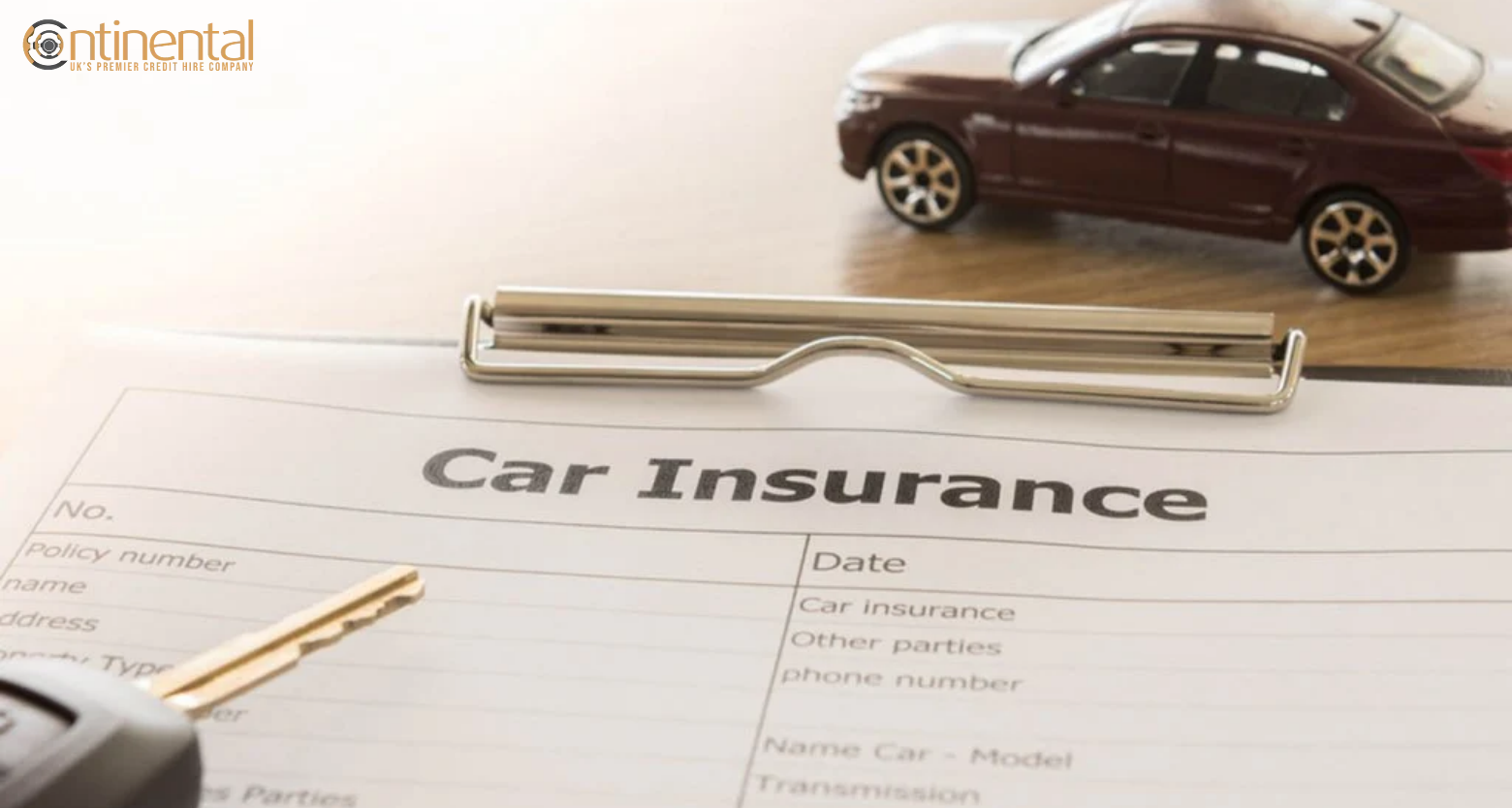
An insurance settlement is the final route or amount offered after checks. It may depend on the policy, excess, repair cost, item value, cover limits, and proof. The highest quote is not always accepted if a fair repair can cost less.
| Outcome | What It Means |
| Repair Approved | The insurer has agreed that the damage will be repaired. |
| Cash Payment | You receive an agreed settlement amount instead of repairs. |
| Replacement | The damaged item is replaced with a suitable alternative. |
| Vehicle Write-Off | Repair costs exceed the vehicle’s value, so it is declared a total loss. |
If the offer seems low, ask for a simple breakdown before responding.
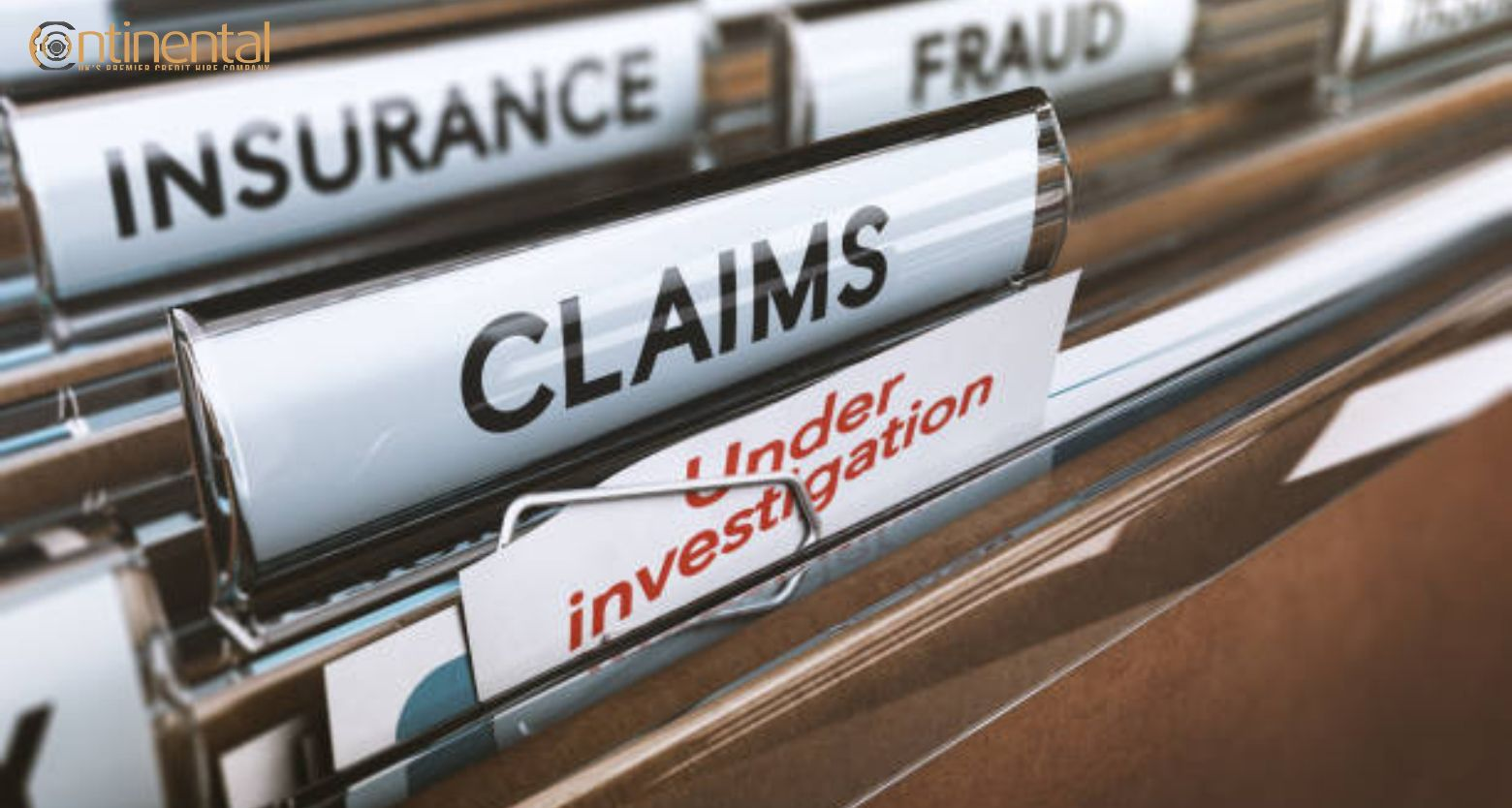
Delays often happen when key details are missing. Unclear photos, late reporting, missing quotes, or no proof of ownership can slow the process. A claim may also pause if the cause of damage is unclear.
Old damage mixed with new damage can also cause questions. Clear records often lead to smoother claim handling.
A material damage claim works best when damage is reported early, shown clearly, and supported with repair proof. It details what was damaged, when and how it occurred, and the estimated repair costs. Good photos, clear dates, and strong records help the claim move with fewer delays.
A material damage claim is a claim for physical harm to insured property. It can even include cars, homes, contents, tools, or equipment. It focuses on damage, not injury.
A physical damage claim usually covers proven harm to property. This may include dents, cracks, leaks, fire, or impact damage. The exact cover varies with the policy.
Yes, car damage can be classed as material damage. This may include panels, lights, paint, or hidden impact damage. The insurer checks if it matches the accident.
Yes, property damage can be included when covered. It may involve walls, floors, doors, roofs, or contents. The damaged area should be shown clearly.
Keep photos, videos, repair quotes, receipts, and notes. Messages and ownership proof can also help. Strong evidence makes review easier.
An insurer may assess a vehicle damage claim through photos and garage checks. The damage assessment may review impact points and repair cost. The car may be repaired or written off.
An insurer may assess a property damage claim by checking the cause and repair cost. They may use photos, reports, or an inspection. Gradual damage may need stronger proof.
A repair estimate shows the likely repair work and cost. It helps compare damage with a fair price. It may change if hidden damage appears.
Yes, a claim can be rejected if cover does not apply. It may also fail if proof is weak. Clear dates and photos can reduce risk.
Your insurance settlement may be lower due to excess or limits. Older damage or uncovered causes may also reduce payment. Ask for a clear breakdown before accepting.
A non-fault accident car hire UK service gives you a replacement car

A non-fault accident car hire UK service gives you a replacement car
A non-fault accident car hire UK service gives you a replacement car
A non-fault accident car hire UK service gives you a replacement car
A non-fault accident car hire UK service gives you a replacement car

A non-fault accident car hire UK service gives you a replacement car