
Are Car Insurance Claims Taxable in the UK? Explained Clearly
A non-fault accident car hire UK service gives you a replacement car

Home » Automotive Blog » What To Do After A Minor Car Accident in the UK?
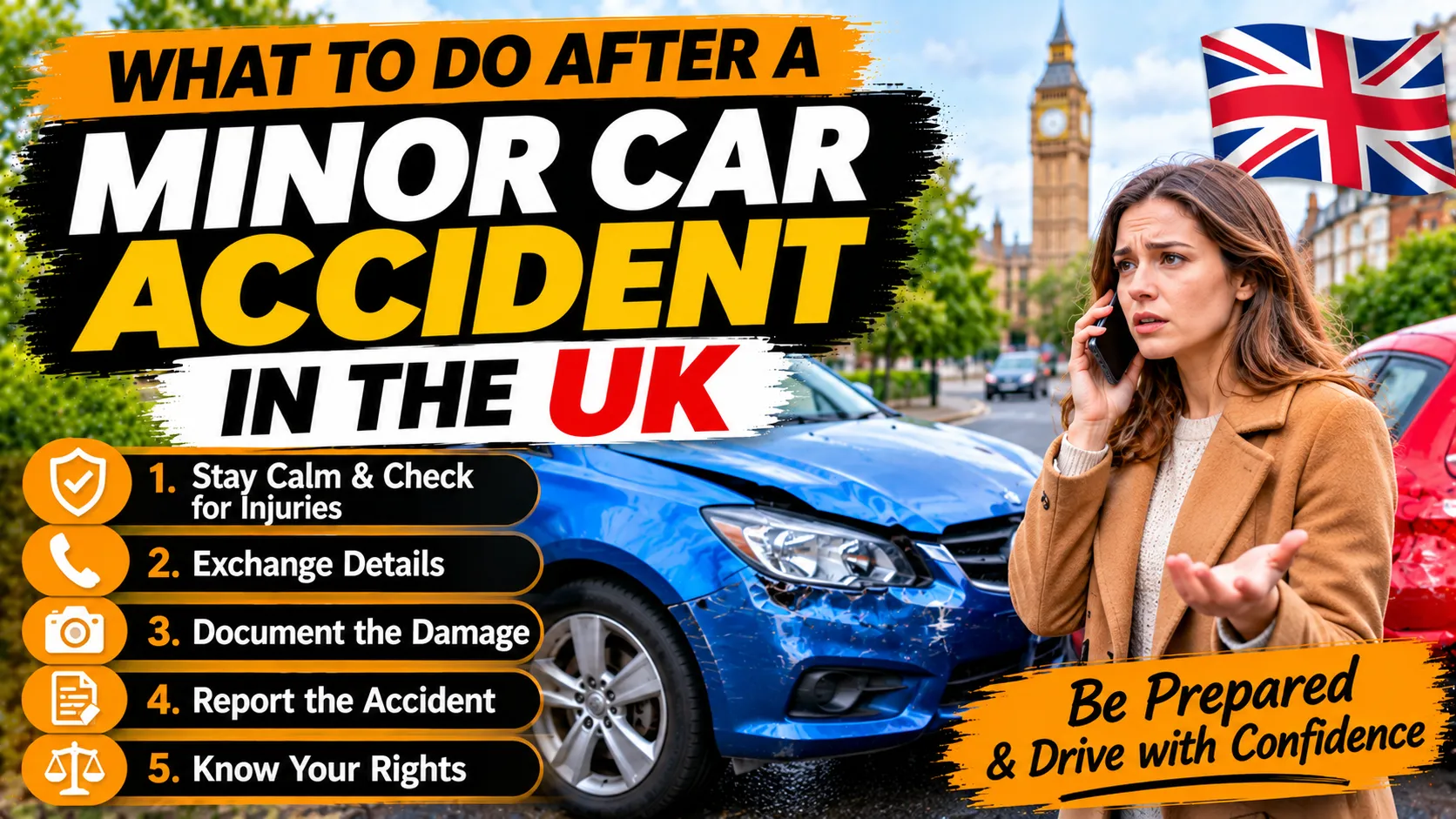
After a minor crash, stop safely, check for injuries, and swap details with the other driver when it’s safe to do so. If nobody is hurt, you exchange the required details, and there’s no suspected driving offence, you generally don’t need to report the crash to the police. Take photos of the cars and the scene if you can do so safely. Tell your insurer promptly, even if you plan to pay for the repairs yourself. Before you drive away, check the car is safe to drive, and speak to your insurer before you book any work on the damaged car.
Key Facts
Take a breath once you stop. Switch off your engine and turn on your hazard lights. Check everyone for injuries. Keep clear of moving traffic while you do this. A small dent can wait if someone needs help.
If you can pull over safely, use a nearby safe spot. Stay at the scene so you can exchange details. Never step into a live lane for a photo. If a car blocks the road and puts people at risk, call 999. Give your location and describe the blockage.
On a fast road, the safest action depends on where you stop. If you reach a safe spot and can leave the car safely, get away from traffic. If you’re stuck in a live lane and can’t get out safely, stay belted in, keep the hazards on and call 999. Inform the emergency call operator of the lane you are currently in. Follow their advice from there.
Ask whether anyone feels hurt or needs help. Call 999 for serious injury or an immediate threat. Give the road name and direction of travel. On a fast road, a nearby marker can help locate you. Remain on the call if the operator requests further information.
You may feel shaken and miss a sore spot at first. If pain or other symptoms appear later, seek medical advice. Tell your insurer when the symptoms began. If you already reported the crash, update that report too. Write down when you first felt hurt.
For a damage-only collision, check three things first. Did you swap all the required details? Was anyone hurt? Is there reason to suspect a driving offence? Use this Great Britain table to decide if you need a police report.
In Northern Ireland, report the crash immediately if you couldn’t give the required details or another person was hurt. The Great Britain deadlines in the table apply in England, Scotland and Wales.
| What happened? | What to do |
| Both drivers exchanged the required details, nobody was injured and there is no suspected offence. | You generally do not need to report the collision to the police. Keep all relevant documentation and notify your insurance provider. |
| You collide with a parked vehicle and cannot locate its owner. | Stop and try to find the owner. If you cannot provide the required details, report the collision to the police as soon as possible and within 24 hours. |
| The other driver leaves the scene or refuses to provide their details. | Record the vehicle registration and any witness details if it is safe to do so. Call 101 if there is no immediate danger. If you could not provide your details, report the collision promptly and within 24 hours. |
| You suspect a driving offence. | Contact the police. Call 999 if you suspect a serious offence requiring an immediate response or someone is in danger. |
| You suspect the other driver is uninsured. | Report your concerns to the police and inform your insurer. Use 101 if there is no emergency. |
| Someone is injured. | Notify the police. Call 999 if urgent medical assistance is needed. If another person was injured and you did not provide proof of insurance at the scene, report the collision as soon as possible and within 24 hours. |
| The collision creates a dangerous road blockage. | Call 999. Explain the hazard and provide the exact location if possible. |
The 24-hour rule matters if you couldn’t give the required details at the scene. Report the incident at the earliest reasonable opportunity. The clock starts at the crash. Use the reporting route for the area where you crashed. Call 101 if you need help finding it.
In Great Britain, the obligations to stop and report an accident are set out in section 170 of the Road Traffic Act 1988. If you need to report in person, go to a police station or speak to an officer. In Northern Ireland, the duties are set out in Article 175 of the Road Traffic (Northern Ireland) Order 1981.
Stop, even if the mark looks like a small scuff. Make reasonable efforts to locate the owner of the vehicle or property involved. If you speak to them, give the required details. A note on a windscreen may blow away or get wet. Follow the reporting steps above if you couldn’t give your details.
Take a photo of the mark if it’s safe. Note the exact space, bay number or nearby address. This also helps if you hit a wall, gate or bollard. Tell your insurer what you struck and where it happened. Keep any reference number with your photos.
Start with the facts each driver needs to share. Then make your own record while events are fresh. Take pictures only once you’re out of danger. Save the original photos and video. Keep all the files together.
Give your name and address and the car’s registration number. Give the owner’s name and address too. If anyone witnessed the incident, request their contact information. Record their position at the time and what they observed. Read the plate back to check you got it right.
Note who owns a hire or work car. You may need to tell the owner soon after the crash. Check the hire terms or your work policy. If the driver won’t share details, step away from any row. Record what you safely can and follow the reporting steps above.
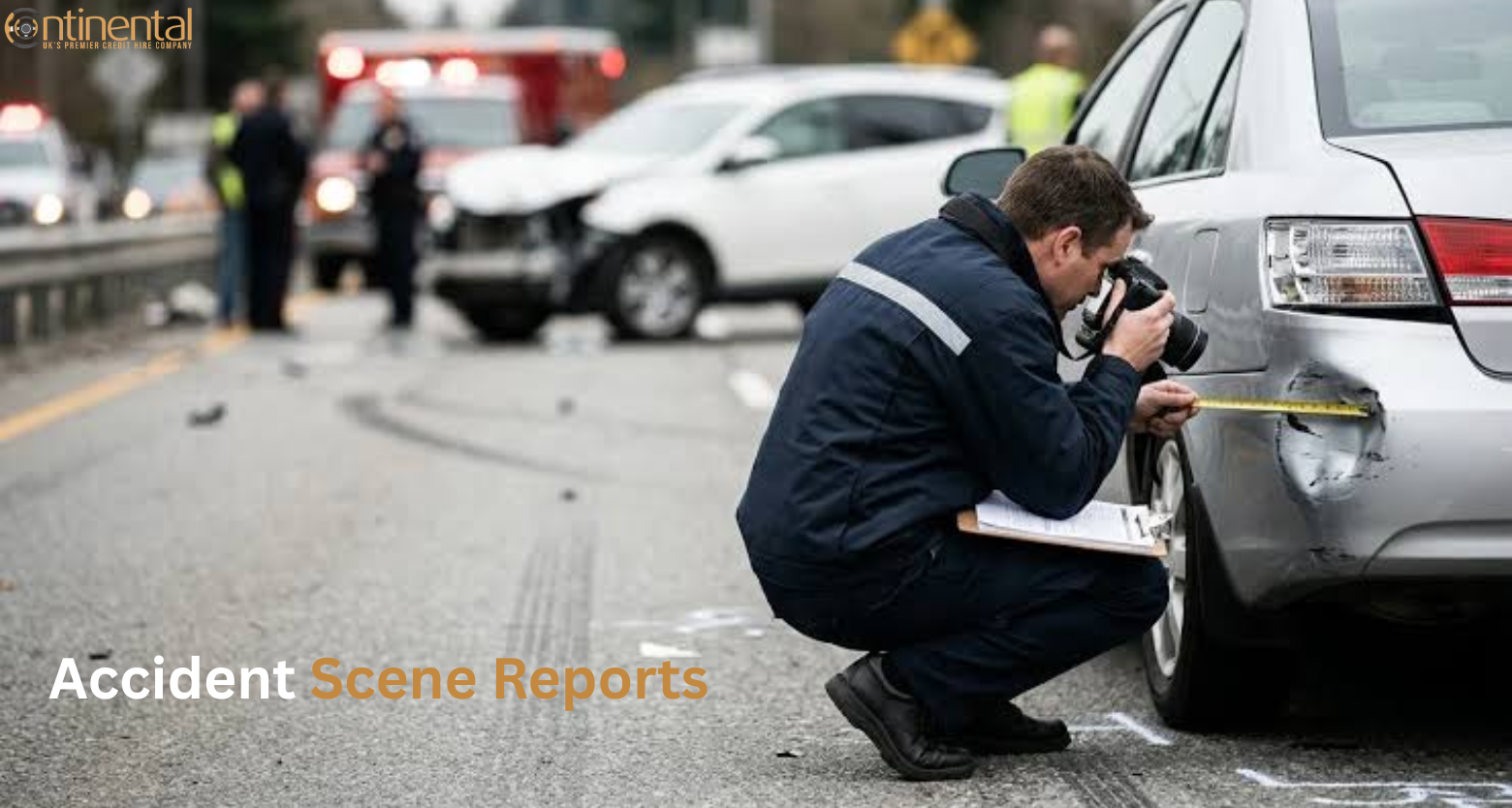
A close-up can show a cracked light or scraped door. A wide shot shows where both cars stopped. Note if the cars have moved. Take pictures from a safe spot off the road. Leave the shot if it would put you at risk.
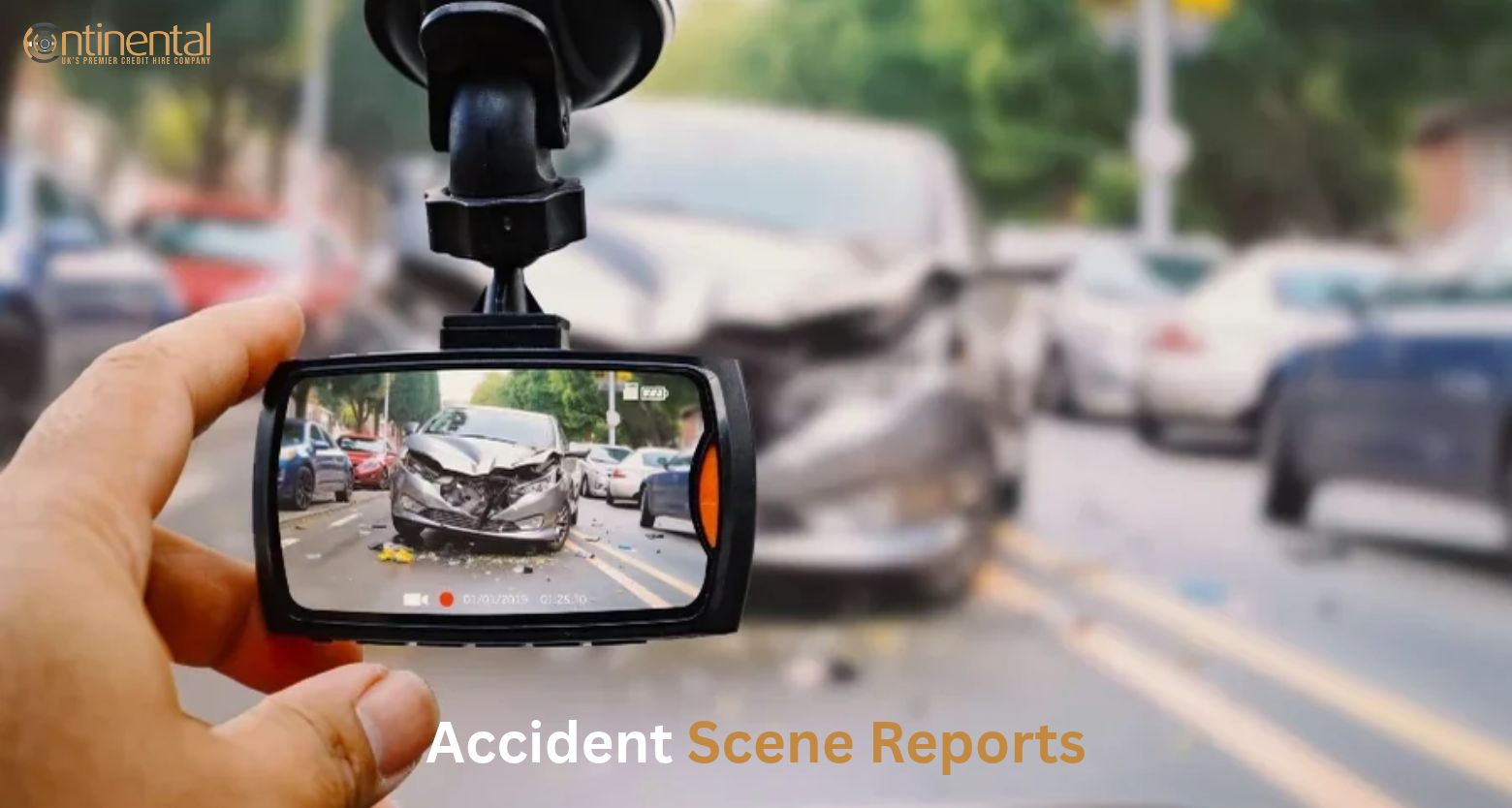
Also retain footage or images showing the scene immediately before and after the collision. Note any nearby cameras. Give the time and place when you ask about the recording. Some systems may soon write over old clips.
Lock or copy the relevant dashcam footage before it’s overwritten. Begin by noting the time, date, and name of the road where it happened. Keep a copy of the full clip without edits. If you send a shorter clip, hold on to the original. Keep plates and witness details off public posts.
Have your insurance policy number and the details of the incident available before calling. Add the lane, direction of travel and point of impact. If it helps, draw a small sketch. Mark where the cars were before and after the bump. Say if any part of the sketch is your best guess.
Stick to what you saw, heard and felt. If you heard a bang before you saw the other car, say so. You may have missed what happened a few seconds earlier. Leave that part open if you’re unsure. A guess can muddy the facts.
Yes. Tell your insurer about a damage-only collision, even if you don’t want to claim. An insurance notification lets your insurer know what happened. A claim is a request for costs or help under your cover. The other driver could still make a claim later.
You can say, “I’m calling to report a crash. I haven’t decided if I’ll make a claim.” Ask what the insurer needs and how to send it. If a claim reference is created, ask the insurer to provide it. If you filed a police report, give the reference.
Check the accident section of your policy for its deadline. Call promptly even if you’re still waiting for a repair estimate. You can send more details later if the insurer asks. Save the call date and any replies. Allow yourself time to assess the damage and review the terms of your policy.
Keep the call to your insurer separate from reporting to the police. Keep both references if you have them. Missed the deadline? Call now and explain why. Ask what happens next.
Keep any messages or emails relating to a settlement offer. A scratch may cost less to fix than you fear. A bumper that looks fine can also hide a broken mount. You may still hear from the other driver’s insurer later. Tell your own insurer before you agree to a deal.
Never position yourself beneath a vehicle at the roadside. If an inspection is necessary, leave it to a qualified professional. Take time before you sign. The offer may fall short of the final bill. Ask how a private payment might affect your cover. Get advice if you’re unsure what you’re signing.
Drive away only if the car is safe and legal to use. Look for damage that could affect how it steers or stops. If you have doubts, arrange recovery. Tell your insurer where the car is. Ask what they need before repairs start.
Look for a cut tyre or a wheel that sits at an odd angle. Check for a loose bumper, broken lights or fluid on the road. Look for new warning lights. Check whether your policy allows you to select your preferred repair garage.
A boot or door that won’t shut can be a risk. So can a loose part that might fall into traffic. Leave it parked if it may be unsafe. Ask where it will be taken and what charges may apply. Keep a record of who moved it and when.
Always ask if your insurer wants to check the car. Ask if you can choose the garage under your cover. Some policies set different terms for different repairers. Ask if that changes what you pay or the help you get. Retain a copy of the response you receive from your insurer.
Request a written estimate for the repairs from the garage. It should show the work planned and the parts needed. Ask what happens if they find more damage. Keep copies of the quote, the final bill and any photos. If the insurer agrees to cover work, save that reply too.
Create a dedicated folder on your phone or computer to store the relevant information. Save your photos, video, notes and any numbers you were given. Add the quote and any reply to your insurance notification. Keep a brief timeline with the crash date at the top. This helps you find files fast.
Tell your insurer if the other driver’s story changes. Share any record that helps explain the difference. State only the facts you are certain of, and clearly identify anything you are unsure about. If you fix an error, date the change. Keep the first note too so the change is clear.
Key Takeaways
Following a minor collision, prioritise safety first and exchange the necessary information with those involved. Then work out who needs to hear about the crash. Keep your records together while you deal with the car. A clear record helps if a small bump turns into a dispute.
Take photos and note when you last saw the car undamaged. Look for witnesses or nearby cameras. Tell your insurer and contact the police if you suspect a hit and run.
Keep the address they gave you and any messages. Tell your insurer that the details appear wrong. Contact the police for advice if you suspect false details were given.
Avoid admitting fault at the scene. Check if anyone needs help and share the facts. Allow the insurance companies to determine liability.
Some forces accept reports online. Check the route for where the crash happened. If you must report it and aren’t sure the online route applies, call 101 promptly.
Speak to the person responsible for looking after the vehicle. Follow your work policy for reporting crashes. Ask who will speak to the insurer and arrange any checks.
Look again from a safe spot in good light. Swap details if you think damage may have occurred. Check your policy and tell your insurer if it requires you to report the bump.
Keep the number with your notes. Write down where the witness was standing if you know. Give the number to your insurer if they ask for it.
It may affect your next quote. The result depends on your insurer and how it treats the incident. Ask how it records a crash when you make no claim.
Check whether your policy includes one. Find out when the vehicle will be available and how long you are permitted to use it. Check the terms and charges before you agree to any hire.
Take fresh photos and note when you found the damage. Tell your insurer before you arrange extra work. Ask whether they want the garage to check it first.
Even a minor collision can leave you without access to your car. If yours is off the road, you may be wondering how you’ll get to work while it’s being fixed. Continental Car Hire has helped drivers after crashes since 2004. Tell us what happened and what you need your car for. We’ll talk through the next step and explain any terms before you decide.
Call Continental Car Hire on 020 8743 7469. Keep the other driver’s details and any photos handy so we can talk through your options.
A non-fault accident car hire UK service gives you a replacement car
A non-fault accident car hire UK service gives you a replacement car
A non-fault accident car hire UK service gives you a replacement car
A non-fault accident car hire UK service gives you a replacement car
A non-fault accident car hire UK service gives you a replacement car

A non-fault accident car hire UK service gives you a replacement car
Copyright © 2026 Continental Car Hire Ltd. All Rights Reserved.
Continental Car Hire Ltd is authorised and regulated by the Financial Conduct authority (FRN 711301)