Dashcam Evidence: How Video Footage Can Prove Fault
A non-fault accident car hire UK service gives you a replacement car

Home » Automotive Blog » Locus Report: Why Accident Scene Reports Matter in Insurance Cases
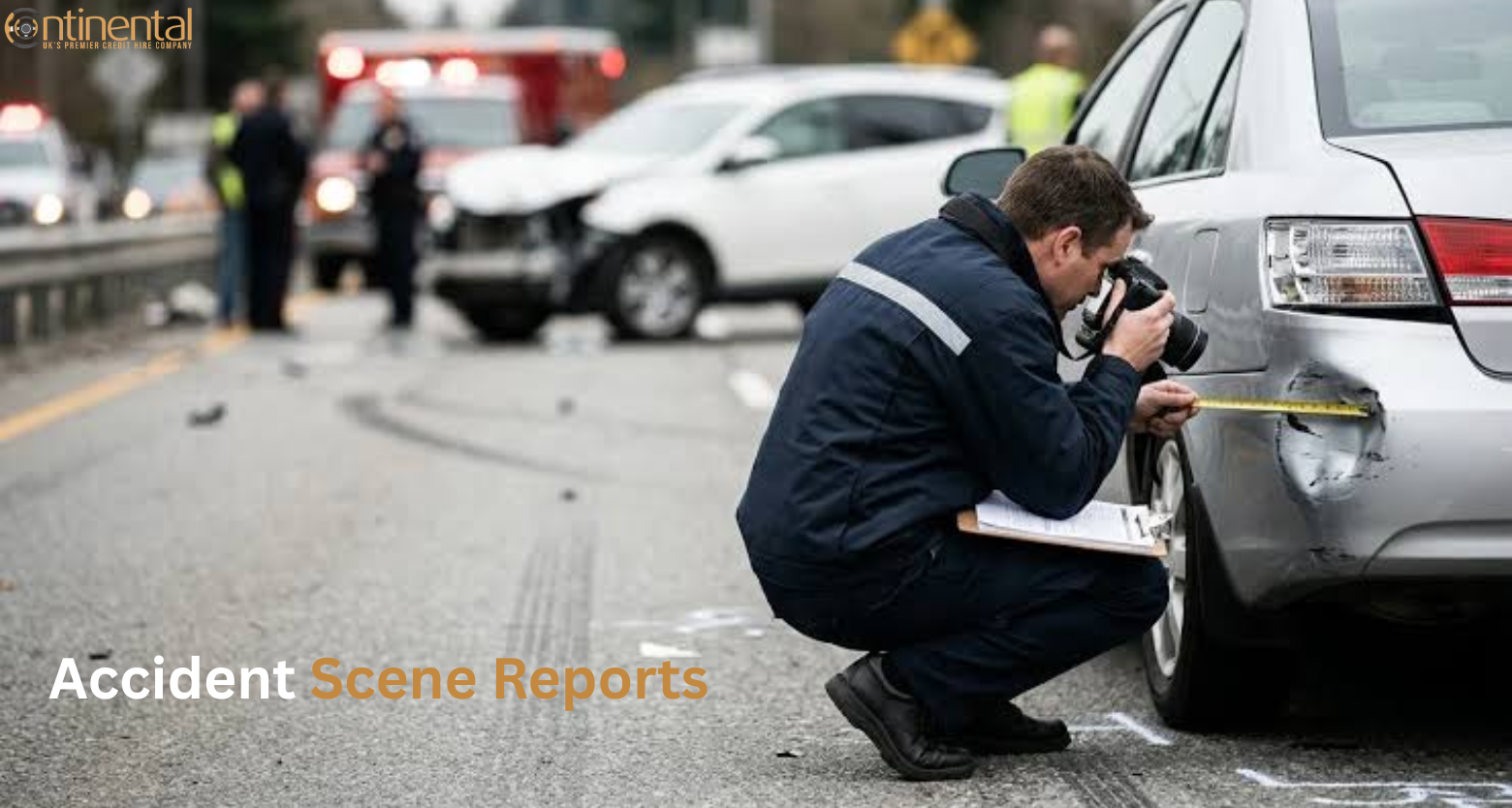
A locus report documents the location where a road accident occurred. It records the scene, layout, measurements, lighting, road conditions, and other important details. It matters in insurance cases because it helps insurers, solicitors, and courts understand what happened before evidence disappears. A clear report can support a fair review of an insurance claim.
This guide explains what a locus report includes, why timing matters, and how it fits into a claim.
A locus report is a written and photographic record of an accident location. The word “locus” means place. The report focuses on the physical scene rather than deciding who was to blame.
It is often used after a road traffic collision, a slip or trip, a workplace incident, or another event where the location matters. The investigator visits the scene, records what they see, and prepares a clear report.
A locus report is not the same as an accident scene investigation that tries to rebuild every movement. It records facts about the scene so others can review them later. This can include road layout, distances, visibility, hazards, and conditions on the day.
A locus report does not decide fault by itself. It also does not replace a witness statement, police report, or expert reconstruction.
Its job is to record neutral facts. Those facts can then be considered alongside other evidence in an insurance claim.
Accident scenes can change very quickly. Roads may be repaired, vehicles may be moved, weather may change, and signs or markings may be altered. If no one records the scene early, important facts can be lost.
A locus report helps preserve those facts. It gives insurers, solicitors, and courts a clear picture of the place where the incident happened.
Insurance claims often turn on disputed details. Was the junction visible? Was there a pothole? Or was the lighting poor? Was a sign missing or blocked?
A locus report can help answer these questions with photographs, measurements, and clear notes. This makes it easier to assess liability fairly.
Memories fade. Vehicles are moved. CCTV systems overwrite old recordings. Weather and lighting change.
Early evidence preservation can make a real difference. A prompt site visit can record details that may no longer exist weeks later.
A good locus report should be clear, dated, and factual. It should help someone who was not there understand the scene.
But, it should not use guesswork or strong opinions. It should record what the investigator observed and explain how the information was gathered.
A strong locus report may include:
Photos should show the wider scene as well as close-up details. They should include the approach to the scene, the point of impact, road markings, signs, and any hazard.
Photos should be dated and taken from clear positions. This helps others understand the layout and check the findings later.
Measurements can show distances between vehicles, junctions, crossings, defects, or other key points. A sketch plan or map can make these details easier to understand.
A good plan should be simple, labelled, and consistent with the photographs. It should help the reader picture the scene without confusion.
Timing is one of the most important parts of a locus report. The sooner the scene is recorded, the more reliable the evidence is likely to be.
Scenes do not stay the same. A pothole may be filled, a broken sign may be replaced, or a skid mark may wash away. Vehicles may also be repaired or scrapped.
Many CCTV systems keep recordings for only a short time. Some systems overwrite footage within days or weeks.
If CCTV footage may exist, it should be identified and preserved quickly. Once it is overwritten, it may be impossible to recover.
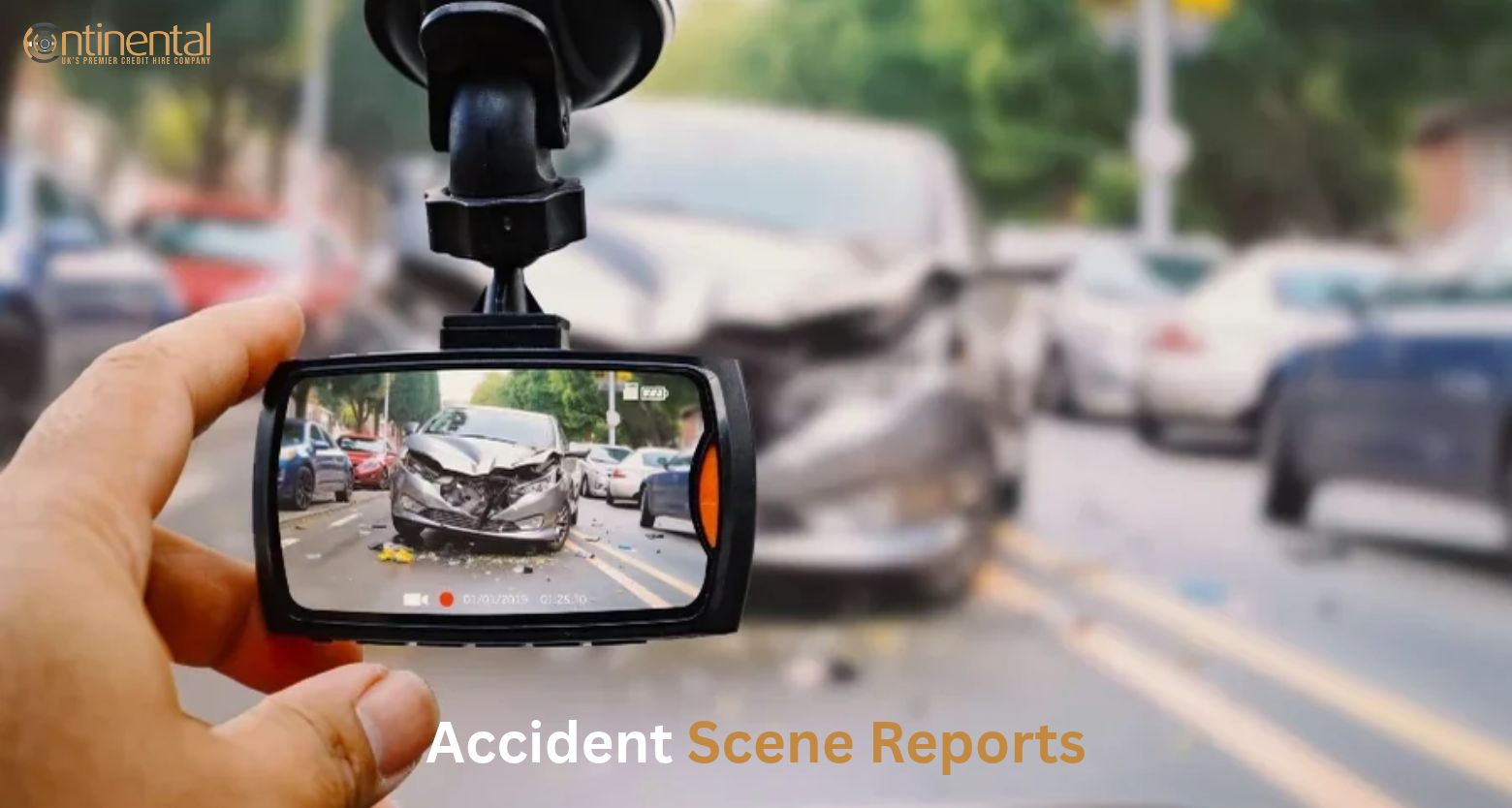
Dashcams often record in a loop. This means new footage can replace older recordings once the storage is full.
If dashcam footage may help, it should be saved and backed up as soon as possible. The date, time, and file details should also be kept safe.
People often remember an accident clearly at first. Over time, details can become less certain.
An early witness statement can record what someone saw while their memory is fresh. It can then be compared with the locus report and other evidence.
A locus report is one part of a wider evidence picture. It can help insurers, solicitors, and claims handlers understand the physical facts of a case.
However, it does not replace other evidence. It works best when it is reviewed alongside photographs, statements, footage, and vehicle information.
A locus report usually fits into the process like this:
This process helps ensure decisions are based on facts rather than assumptions.
A locus report can be the starting point for a wider accident scene investigation. It records the scene so experts can review the facts later.
For example, it may show visibility, road layout, or a defect. A reconstruction expert may then use those facts, alongside vehicle data and damage, to explain what may have happened.
A locus report supports evidence preservation by creating a dated record before the scene changes. It may also point to other evidence that should be preserved.
This may include nearby cameras, dashcams, vehicle data, or witnesses. Acting early gives those sources the best chance of being preserved.
These three types of evidence do different jobs. Understanding the difference helps avoid confusion.
Type of evidence | Main purpose | Best used when |
Locus report | Records the physical scene | Road layout, visibility, or hazards matter |
Witness statement | Records a person’s account | Someone saw what happened |
Accident reconstruction | Explains how the incident may have happened | Speed, impact, or movement is disputed |
A locus report records facts. A witness statement records someone’s account. A reconstruction uses evidence to explain possible movements and causes.
A locus report can be useful for many people. It is not only for insurers or solicitors.
It may help anyone involved in a disputed road traffic collision, workplace incident, or public liability claim. Arranging it promptly can help ensure the findings are as useful as possible.
Consider a locus report if:
Early action gives the best chance of keeping useful facts safe.
A locus report is useful, but it has limits. It should be considered alongside other evidence, rather than as a definitive conclusion. It records the scene. But, it does not know what happened before the investigator arrived.
A locus report can show facts that help assess liability. But it cannot decide fault without other evidence.
For example, it may show a blocked view or a damaged road surface. It cannot prove who was driving, how fast they were going, or what they saw.
A locus report records the scene. A witness statement records what a person saw or heard. Both can be useful. They should be read together, along with photographs, footage, and other documents.
Video can provide valuable evidence, but it needs to be managed correctly. The date, time, location, and file history all matter.
A locus report may refer to CCTV footage or dashcam footage, but the original files should be preserved carefully. This helps show that the evidence has not been changed.
A reliable locus report is clear, balanced, and well supported. It should help the reader understand the scene without confusion.
It should also be honest about any limits. For example, if the investigator could not measure a distance or access an area, the report should say so.
A strong report should be:
Be careful if a report:
A weak report can create more questions than answers.
A locus report can play an important role in an insurance case. It turns a changing accident scene into a clear, dated record that insurers, solicitors, and courts can review. It helps show road layout, visibility, distances, hazards, and other physical facts. However, it does not decide fault on its own. It works best as part of a wider evidence picture, alongside witness accounts, photographs, footage, and vehicle data. Acting early gives everyone the best chance of preserving the facts that matter.
It records the location where the accident took place. It may include photos, measurements, maps, and clear notes.
Insurers, solicitors, businesses, and private individuals may use one. It helps them understand the physical facts of a scene.
As soon as possible after the incident. Scenes, footage, and memories can change quickly.
No, it does not decide fault on its own. It sets out factual details that can be assessed alongside other evidence.
It may include photos, measurements, maps, weather notes, road details, and the investigator’s observations. The exact contents depend on the case.
Yes, CCTV can show what happened before, during, or after an incident. It should be saved quickly because it may be overwritten.
Yes, dashcam footage can show the movement of vehicles and road conditions. It should be backed up as soon as possible.
No, they are different. A locus report records the scene, while a witness statement records a person’s account.
It may be used as part of the evidence in a legal case. Its value depends on how clear, fair, and well supported it is.
Make sure everyone is safe and call emergency services if needed. Exchange details, take photos, save footage, and seek advice quickly.
Continental Car Hire can help with accident claims, replacement vehicles, recovery, and repair support. With over 22 years of experience, our team can guide you through the next steps and help you understand what information may support your claim. Contact Continental Car Hire on +44 208 743 7469 today for clear, practical help after a road traffic accident. Our team will reach you within 90 minutes.
A non-fault accident car hire UK service gives you a replacement car
A non-fault accident car hire UK service gives you a replacement car

A non-fault accident car hire UK service gives you a replacement car

A non-fault accident car hire UK service gives you a replacement car

A non-fault accident car hire UK service gives you a replacement car
A non-fault accident car hire UK service gives you a replacement car
Copyright © 2026 Continental Car Hire Ltd. All Rights Reserved.
Continental Car Hire Ltd is authorised and regulated by the Financial Conduct authority (FRN 711301)