Dashcam Evidence: How Video Footage Can Prove Fault
A non-fault accident car hire UK service gives you a replacement car


Third party car insurance covers your liability for injury or damage caused to others through your use of the insured car. It does not pay for your own car’s accident repairs. Nor does third-party-only cover protect your car against fire or theft. It is the minimum cover required to drive on UK roads. However, basic cover is not always the cheapest choice. Compare all three main policy levels before you buy. This guide explains how cover works, what affects the price and which details to check. It also covers scams and the financial risks to weigh before choosing.
Third party insurance protects you against liability to other people. These may include another driver, a pedestrian or a property owner. If your driving causes a covered loss, the insurer handles the qualifying claim. The policy’s terms and limits still apply.
The key distinction is whose loss is covered. Your policy protects against claims from others, but not your own car’s accident damage. That gap matters even when your car has little market value. You still need a way to fund repairs or replacement.
It covers qualifying liability for injury to others and damage to their property. For example, this could involve another car, a wall or a fence. It does not turn every incident into an accepted claim. The insurer still considers the circumstances and policy terms.
Third-party-only cover does not protect your car against accident damage or theft. It also lacks the fire protection offered by third party, fire and theft. You should not assume extras such as breakdown assistance or replacement transport are included. Check the benefits listed in your documents.
You buy cover for the vehicle, drivers and uses stated in the agreement. After an accident, your insurer examines any claim made against you. If you are liable and the claim is covered, it deals with the qualifying costs. Your own vehicle damage remains outside third-party-only protection.
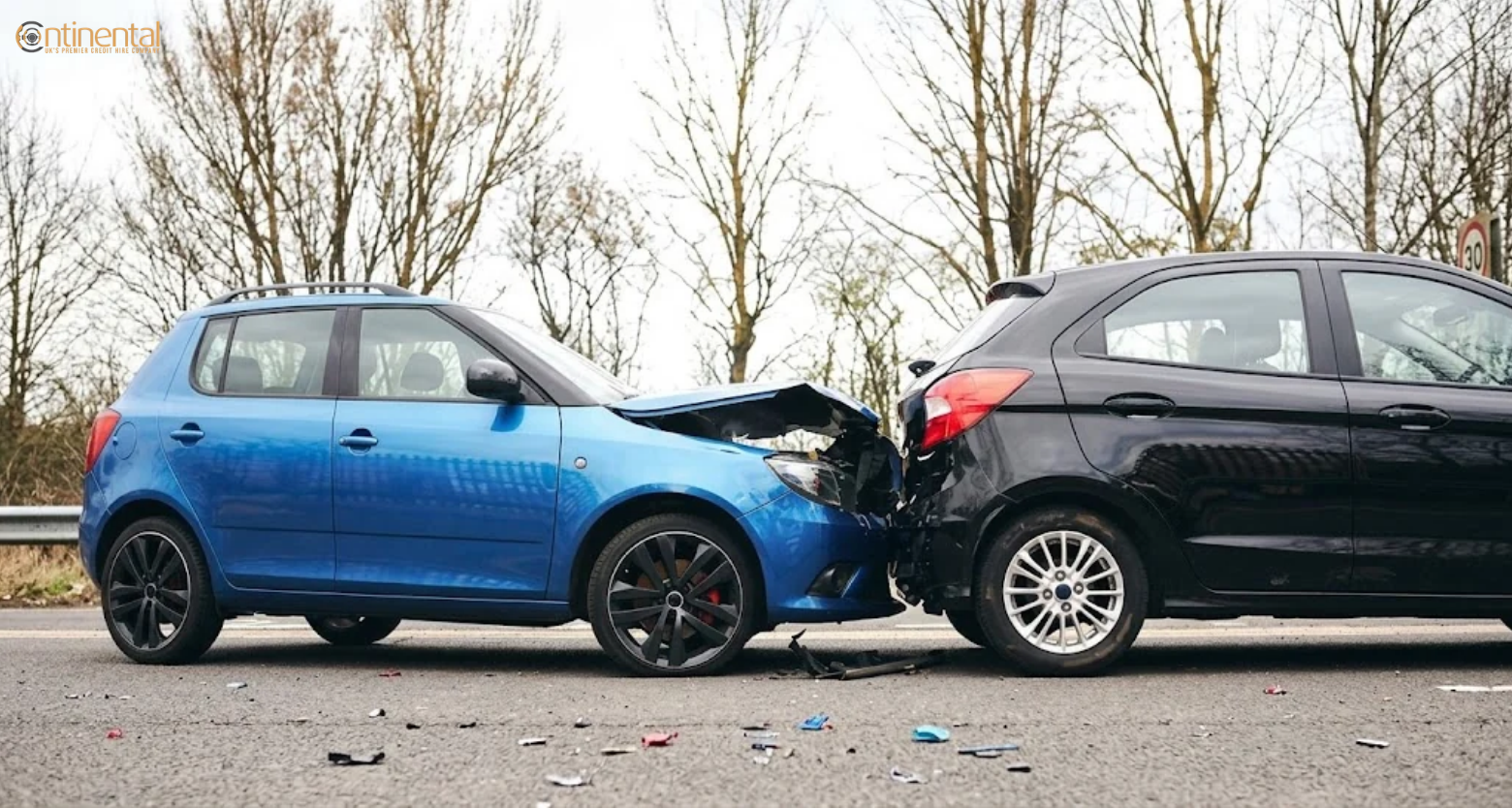
Imagine you reverse into a parked car. Your policy can cover your liability for damage to that car. It does not pay to repair your own bumper. This example illustrates the cover difference, rather than predicting a particular claim outcome.
Your basic policy does not remove the possibility of claiming against a liable driver. You may be able to recover losses from their insurer. Responsibility and the losses claimed still need to be established. Do not assume the outcome before those checks are complete.
Tell your insurer about the accident as required by your policy. Keep photographs, messages and any relevant witness details. You may also need to declare the incident when renewing, even without claiming on your own cover. Accurate reporting helps avoid problems later.
The three main levels are third-party-only, third party, fire and theft, and comprehensive. Each protects against a different range of losses. Compare them together rather than assuming the smallest package costs least. The wording of the individual policy remains important.
Cover level | Liability to others | Your car: fire or theft | Your car: accidental damage |
Third-party-only | Covered, subject to terms | Not covered | Not covered |
Third party, fire and theft | Covered, subject to terms | Covered, subject to terms | Not covered |
Comprehensive | Covered, subject to terms | Covered, subject to terms | Covered, subject to terms |
This provides the legal minimum protection for road use. It addresses qualifying injury or property-damage claims from others. You retain the risk of damage to, or loss of, your own vehicle. Consider whether you could afford that loss before buying.
Third party auto insurance adds protection if your car is stolen or damaged by fire. It does not add general cover for your own accident repairs. For example, damage from a collision you cause remains outside that protection. Compare its price with comprehensive cover too.
This adds accidental damage protection for your car. It includes the protection offered by the two lower levels. However, “comprehensive” does not mean every benefit or incident is covered. Check excesses, exclusions and any extras you need.
Insurers need accurate information about you and your car. The policy must reflect who drives it and how it is used. Incorrect or outdated details can affect the validity of cover or a claim. Ask for help rather than guessing at an unclear question.
Before accepting a quote, check the recorded information carefully. Read the answers as well as the price. Make sure any named driver is listed correctly. Do not name someone else as the main driver when that is untrue.
Keep these details current during the policy. Changes such as moving home, using the car for business or modifying it may need reporting. Check your documents for the relevant duties. Tell the insurer promptly when required.
No cover level should be treated as permission for every use. Confirm whether the policy includes commuting or business travel where needed. The vehicle and driver must be covered for the journey. Check before driving, not after an incident.
Likewise, do not assume you may drive someone else’s car. Some comprehensive policies allow this, but others do not. Where an extension exists, it often provides only third-party protection. Read its conditions carefully.
There is no single price that applies to every driver. Quotes depend on the information supplied and the insurer’s assessment. Factors such as your claims history, location and vehicle can affect the result. Use current quotes based on your own details.
The cheapest third party car insurance quote may not be the cheapest suitable option. Comprehensive cover can cost less while protecting against more losses. Compare all three levels using the same information. Then consider the protection alongside the total price.
A small monthly payment does not necessarily mean a lower overall bill. Insurers may charge interest when premiums are paid in instalments. Check the total payable for the year. Compare that with the annual payment option if affordable.
Review extras as well. Breakdown assistance or legal-expenses cover may be useful, but you might already hold similar protection elsewhere. Avoid paying twice for a benefit. Equally, do not remove something you genuinely need just to lower the quote.
A low-value car may make basic cover worth considering. Yet the purchase price alone does not decide the issue. Think about whether you could afford repairs or another vehicle. Compare the premium saving with that potential loss.
There is no fixed saving to promise here. One driver’s quote tells you little about your own. Obtain several suitable offers and read what each includes. Choose on value, not a headline claim about being cheapest.
Fake insurance can leave a driver uninsured without realising it. A scammer may offer a very low price through social media or private messages. The paperwork may be fake, contain false details or relate to a policy cancelled after purchase. A convincing certificate is not enough.
These scams are often called ghost broking. The seller pretends to be a genuine broker and offers cheap cover. Some use real insurers but alter the customer’s details to cut the price. That can leave the buyer with invalid protection.
Do not accept false details to secure a cheaper quote. Your address, occupation and driving history must be accurate. A seller’s reassurance does not fix incorrect information. Stop and check before driving if you doubt the cover.
The main benefit is protection against qualifying liability claims from others. Valid cover also meets the minimum insurance requirement for driving on UK roads. It may suit some budgets or circumstances. However, it is not automatically the cheapest policy.
The main drawback is the financial risk you keep. Your own accident repairs, fire damage and theft loss are not covered. A modest premium saving could leave you facing a much larger bill. Weigh that risk against the cost of wider cover.
Potential benefit | Limitation to consider |
Meets the legal minimum when valid for your driving | Does not cover your own car’s accident damage |
Covers qualifying liability to others | Does not protect your car against fire or theft |
May be an option where wider cover costs more | Comprehensive cover can sometimes be cheaper |
Lets you choose to fund your own vehicle losses | You need enough money to manage those losses |
Could you afford to lose your car without an insurance payout? That question matters as much as the premium. Basic cover protects against liability to others, not your own vehicle loss. Check wider options before deciding that less cover offers better value.
Compare accurate quotes, read the exclusions and verify the seller. Choose a policy that fits your driving and finances. If the wording is unclear, ask for an explanation before paying. A suitable policy starts with clear terms and truthful details.
It is the minimum insurance level required on UK roads. The policy must apply to your vehicle and driving. Wider cover is optional, but may offer better value.
No, it does not cover your own accident damage. You would need to pay for those repairs yourself. Comprehensive cover provides broader protection, subject to its terms.
No, your own car’s theft loss is excluded. Third party, fire and theft adds that protection. Comprehensive policies also include it, subject to their terms.
No, comprehensive cover can cost less. Pricing depends on more than the level of protection. Compare current quotes using the same details.
You may be able to claim if that driver is liable. Having basic cover does not automatically prevent this. Responsibility and the losses claimed still need establishing.
Do not assume your policy allows it. Any extension has conditions and may provide only third-party cover. Check the documents before driving.
Do not assume replacement transport is part of the policy. Availability and conditions differ between products. Read the benefit details before buying.
Check and follow your policy’s reporting requirements. Incidents may also need declaring when you renew. Failing to disclose requested information can affect future claims.
Yes, insurers sometimes charge interest on instalments. Compare the full yearly total with the annual premium. Choose a payment method you can afford.
Do not drive until valid cover is confirmed. Contact the insurer using independently verified details. Report suspected fraud and seek help if you have paid.
Has another driver damaged your car, leaving you unsure what to do next? Continental Car Hire provides specialist non-fault accident support, including recovery, accident repairs and replacement credit hire. Its website lists 200+ vehicles and fee-free consultations. Call 0208 743 7469 or email info@continentalcarhire.co.uk to discuss your circumstances. The team is based at 142 Bentworth Road, London W12 7AH. Ask about eligibility, vehicle availability, charges and your duties before proceeding. Any credit hire agreement should be understood separately from your insurance policy, with its terms explained before you sign.
A non-fault accident car hire UK service gives you a replacement car
A non-fault accident car hire UK service gives you a replacement car
A non-fault accident car hire UK service gives you a replacement car

A non-fault accident car hire UK service gives you a replacement car

A non-fault accident car hire UK service gives you a replacement car
A non-fault accident car hire UK service gives you a replacement car
Copyright © 2026 Continental Car Hire Ltd. All Rights Reserved.
Continental Car Hire Ltd is authorised and regulated by the Financial Conduct authority (FRN 711301)