
Dashcam Evidence: How Video Footage Can Prove Fault
A non-fault accident car hire UK service gives you a replacement car

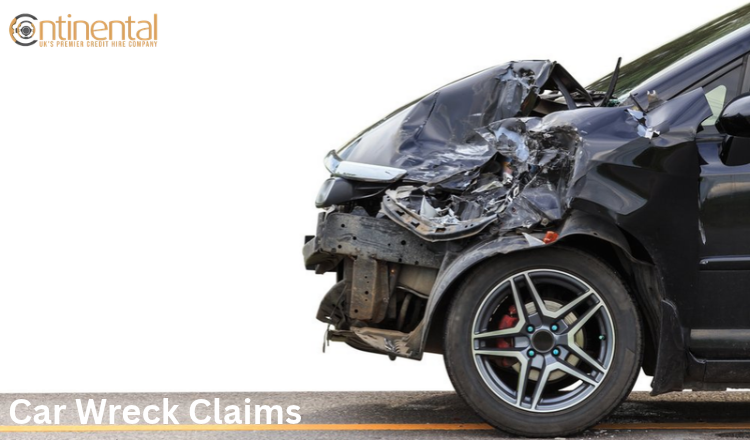
A car wreck claim allows you to seek money for losses caused by a road accident. Depending on your circumstances, this may cover vehicle repairs, the value of a written-off car, recovery, storage, replacement transport and other reasonable expenses. Start by informing your insurer, gathering evidence and finding out what your policy covers. If another driver caused the collision, you may be able to recover your losses from their insurer. Where responsibility is shared, the amount you receive could be reduced.
This guide explains how the process works, who may be eligible to claim, how credit hire can provide temporary transport, what evidence you should keep and how long a claim might take.
A car wreck claim is a request for compensation for losses resulting from a road collision. Some people use the phrase claim accident car when looking for information about recovering costs after a vehicle has been damaged or declared a total loss.
Depending on the circumstances, your claim may include:
If another driver is responsible, their insurer may be liable for your losses. If you contributed to the accident, any compensation could be reduced to reflect your share of responsibility. The outcome depends on the evidence, the applicable law and the circumstances of the collision.
Your first priority after a road accident is safety. Stop when it is safe to do so and remain at the scene.
Check whether anyone needs medical assistance. Call 999 if someone is injured, trapped or in immediate danger. Switch on your hazard lights and use a warning triangle only where it is safe and appropriate. Move your vehicle if necessary to protect people from further danger.
Exchange details with the other driver, including names, addresses, registration numbers and insurance information. Avoid arguing about responsibility at the scene.
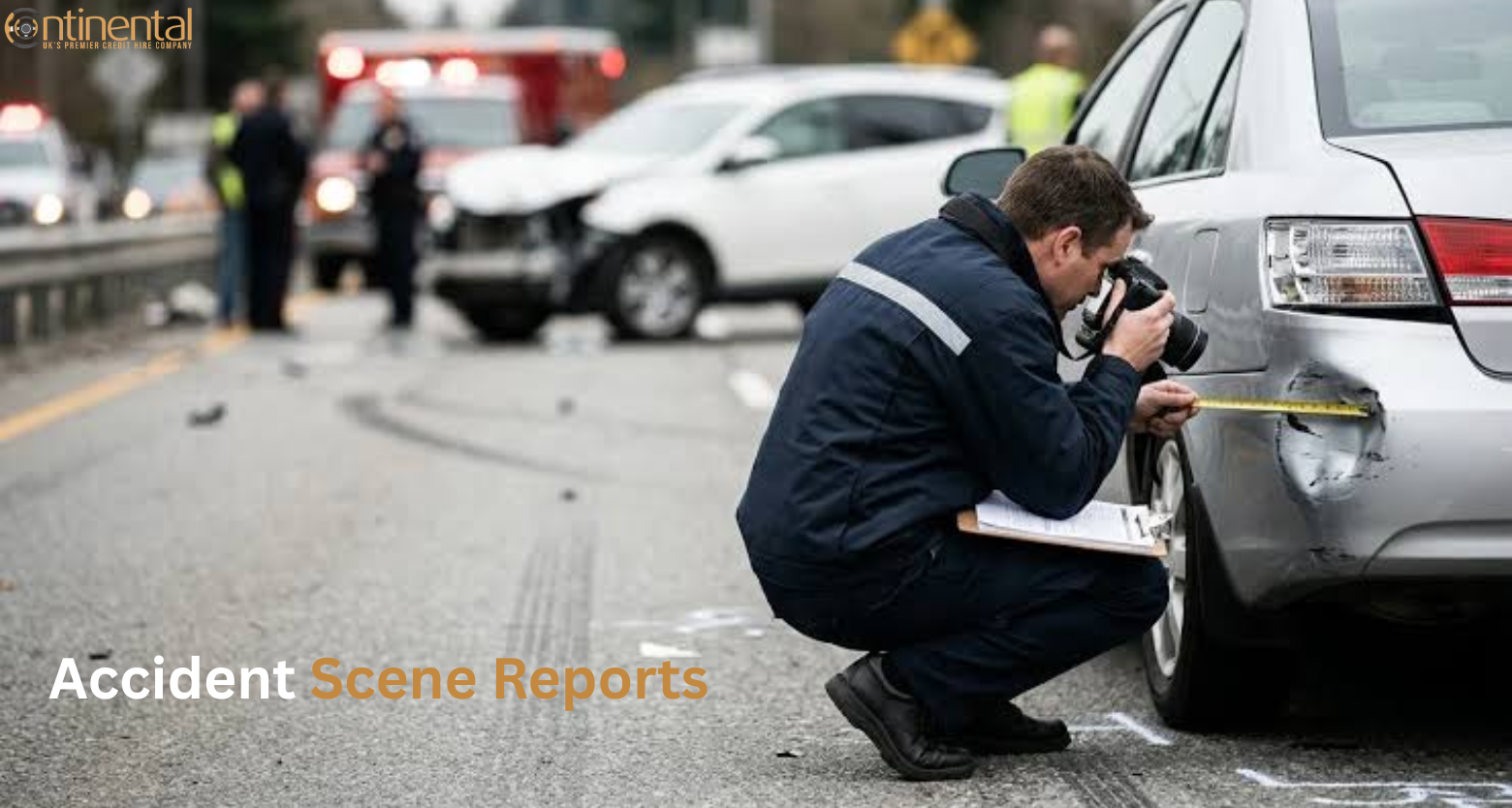
Take photographs of:
If you have dashcam footage, save it promptly so it is not overwritten. Keep the original recording and make a backup if possible.
Ask witnesses for their names and contact details. Inform your insurer about the collision in line with your policy requirements, even if you do not intend to make a claim.
If you did not exchange the required details or reportable damage or injury is involved, contact the police as soon as possible and follow the applicable reporting requirements. Do not automatically admit fault. Explain what happened accurately and allow the insurers to assess responsibility.
You may be eligible to pursue one of the auto accident claims available in the UK if you have suffered a loss or injury for which another party is legally responsible.
Potential claimants include:
A claim may still be possible if the other driver was uninsured or left the scene. In certain circumstances, the Motor Insurers’ Bureau (MIB) may provide a route to compensation, subject to its eligibility rules and the facts of the case.
You may also be able to claim if you share some responsibility for the accident. However, contributory negligence can reduce the compensation available. Eligibility and the amount recoverable depend on the evidence and applicable legal rules.
Most car accident claim cases involve reporting the collision, gathering supporting evidence, assessing the damage and determining who is responsible. The process may also involve arranging repairs, obtaining a replacement vehicle and agreeing the value of your losses.
Contact your insurer promptly and provide the accident’s date, time and location, details of the vehicles involved and an account of what happened. Follow your policy’s reporting requirements, even if you intend to recover your losses from another driver’s insurer.
Gather photographs, dashcam recordings, witness details and relevant documents. Keep receipts for expenses caused by the collision. Clear records can help establish what happened and demonstrate the financial losses you have experienced.
Your insurer, an appointed engineer or a repairer may inspect your vehicle to assess the damage. They will consider whether repairs are practical and what they are likely to cost. The inspection helps determine the next steps.
If your vehicle can be repaired, your insurer may arrange repairs through an approved garage, depending on your policy and the claim arrangements.
If the car is considered beyond economical repair, the insurer may declare it a write-off and offer a settlement based on its market value immediately before the accident, subject to the policy terms and circumstances.
This is commonly called a write-off payment. Check the valuation carefully before accepting it. If the offer appears too low, provide supporting evidence such as mileage, condition, service records and comparable vehicles advertised for sale. You can ask the insurer to review its valuation.
You may also seek recovery of reasonable expenses caused by losing the use of your vehicle. Depending on the circumstances, these could include replacement transport, taxis, recovery and storage charges.
Keep receipts and records explaining why each expense was necessary. Not every cost will automatically be recoverable, so the insurer may assess whether the expense was reasonable and supported by evidence.
The insurers assess the evidence to establish responsibility. One party may accept full liability, dispute the allegations or argue that both drivers contributed to the collision.
If the other driver’s insurer accepts liability, it may agree to pay your recoverable losses. If responsibility remains disputed, photographs, witness statements, dashcam recordings and other reliable evidence may become particularly important.
Many claims are resolved through negotiations without a court hearing. If you believe an insurer has rejected a valid claim or made an unfair decision, you can raise a complaint and consider obtaining independent legal advice.
For eligible personal injury claims in England and Wales, the Official Injury Claim service may provide a route for certain road traffic accident claims. Many personal injury claims are subject to a three-year limitation period, although exceptions apply. Seek legal advice promptly if you are unsure which deadline applies to your case.
If your vehicle cannot be driven or is undergoing repairs, you may need alternative transport. Some automobile accident claims involve the cost of a replacement vehicle, but the available options and who pays will depend on your policy, eligibility and the circumstances of the accident.
Possible arrangements include:
Choose a vehicle that meets your reasonable transport needs. For example, someone who normally drives a family car or uses a van for work may require something different from a small city car.
Before agreeing to a hire arrangement, check the cost, terms and payment responsibilities. Do not assume every replacement vehicle expense will automatically be paid by the other insurer.
Credit hire is an arrangement that can provide temporary transport after an accident, often where another driver was responsible. It is commonly associated with a non fault accident claim. Instead of paying all hire charges at the beginning, an eligible customer may enter an agreement under which the hire company seeks payment from the at-fault party’s insurer.
The process generally works as follows:
Read the agreement carefully before signing. Pay particular attention to:
Credit hire is not automatically free simply because another driver caused the accident. Ask questions if any terms are unclear and consider independent advice before committing to substantial financial obligations.
Some claims may be settled within a few weeks, while others take several months or longer. A car accident injury claim can require additional time because medical evidence may be needed to assess the injury, its impact and any related losses.
The timescale may depend on:
Providing accurate information and responding promptly to reasonable requests can help avoid unnecessary delays. However, you cannot control every part of the process, particularly where liability remains contested.
Organised evidence can support a car accident insurance claim by helping demonstrate how the accident happened and what losses resulted from it.
Keep copies of:
Store these records securely and retain original files wherever possible. Avoid editing the original dashcam recording, as the unaltered footage may be important when the insurers assess the evidence.
When making a road accident claim, a few simple precautions can help you avoid complications.
Keep records, check the terms of any agreement and ask for clarification whenever you are uncertain. If the claim involves significant losses or disputed liability, independent legal advice may be useful.
Making a car wreck claim can feel difficult, particularly when you are dealing with vehicle damage, unexpected expenses or an injury. A clear process can make the situation easier to manage. Report the collision, preserve your evidence, keep receipts, notify your insurer and explore suitable repair or replacement vehicle arrangements.
If another driver was responsible, you may be able to recover your reasonable losses. Where liability is disputed, reliable evidence can help support your position.
Before entering a credit hire agreement, check the daily rate, vehicle suitability, expected hire period and any circumstances in which you might have to pay outstanding charges. Understanding these details can help you make a more informed decision.
A car wreck claim is a request for compensation following a road collision. Depending on the circumstances, it may cover vehicle repairs, a write-off settlement, replacement transport, recovery, storage and other recoverable losses.
Drivers, vehicle owners, passengers, pedestrians, cyclists, motorcyclists and businesses may be able to claim where another party is legally responsible for their losses. Eligibility depends on the circumstances and evidence.
You should notify your insurer in accordance with your policy requirements, even if you do not intend to make a claim through your own insurance. Check your policy for the relevant reporting procedure.
If you have not exchanged the required details or the collision involves circumstances that must be reported, contact the police promptly and follow the applicable reporting rules. Certain reportable collisions must be reported as soon as reasonably practicable and within 24 hours. Requirements depend on the circumstances.
You may be able to arrange a courtesy car, an insurer-provided hire vehicle or credit hire. The options available depend on your insurance cover, eligibility, transport needs and the circumstances of the accident.
Credit hire provides a replacement vehicle under an agreement where the hire company may seek payment from the at-fault party’s insurer. You should understand the contract and potential payment responsibilities before accepting the vehicle.
You may not need to pay the full hire cost at the beginning, depending on the agreement. However, if the other insurer disputes or refuses some charges, you could be responsible for outstanding amounts under your contract. Read the terms carefully before signing.
Some claims conclude within a few weeks, while others take longer. Disputed liability, vehicle write-offs, repair delays and injury assessments can all affect the time needed to reach a settlement.
You may be able to make a car accident injury claim if you suffered an injury for which another party is legally responsible. Seek medical attention, follow appropriate treatment advice and retain records of your symptoms, treatment and related expenses.
An accident may affect your insurance premium or no-claims discount, depending on your policy, the circumstances and whether the claim is treated as fault or non-fault. You should still report the incident as required, even if you do not make a claim.
If your vehicle has been damaged and you need temporary transport, Continental Car Hire (CCH) is a UK vehicle hire specialist with more than 22 years of experience and a fleet of over 200 vehicles.
Our team can discuss your circumstances, explain the available options and help you explore a suitable replacement vehicle after an accident. We also offer a free consultation, giving you an opportunity to ask questions before deciding how to proceed.
Call CCH on +44 208 743 7469 to discuss your replacement-car options.
Keep your photographs, original dashcam recordings, receipts and claim reference in a safe place. These records may help support your claim and clarify the losses you have experienced.
A non-fault accident car hire UK service gives you a replacement car
A non-fault accident car hire UK service gives you a replacement car

A non-fault accident car hire UK service gives you a replacement car

A non-fault accident car hire UK service gives you a replacement car

A non-fault accident car hire UK service gives you a replacement car
A non-fault accident car hire UK service gives you a replacement car
Copyright © 2026 Continental Car Hire Ltd. All Rights Reserved.
Continental Car Hire Ltd is authorised and regulated by the Financial Conduct authority (FRN 711301)