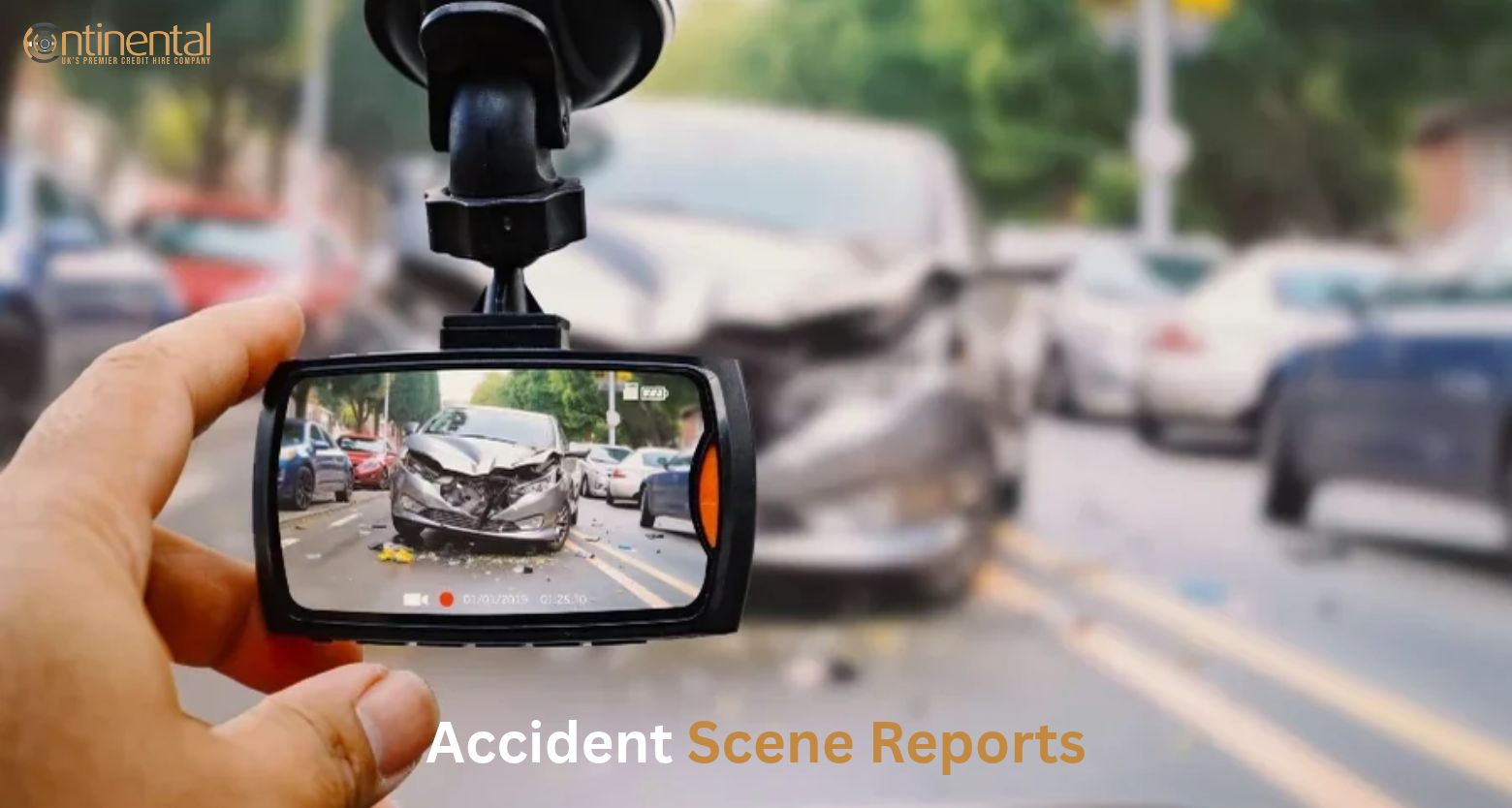
Dashcam Evidence: How Video Footage Can Prove Fault
A non-fault accident car hire UK service gives you a replacement car

Home » Automotive Blog » Flash for Cash Scam: What It Is and How to Protect Yourself
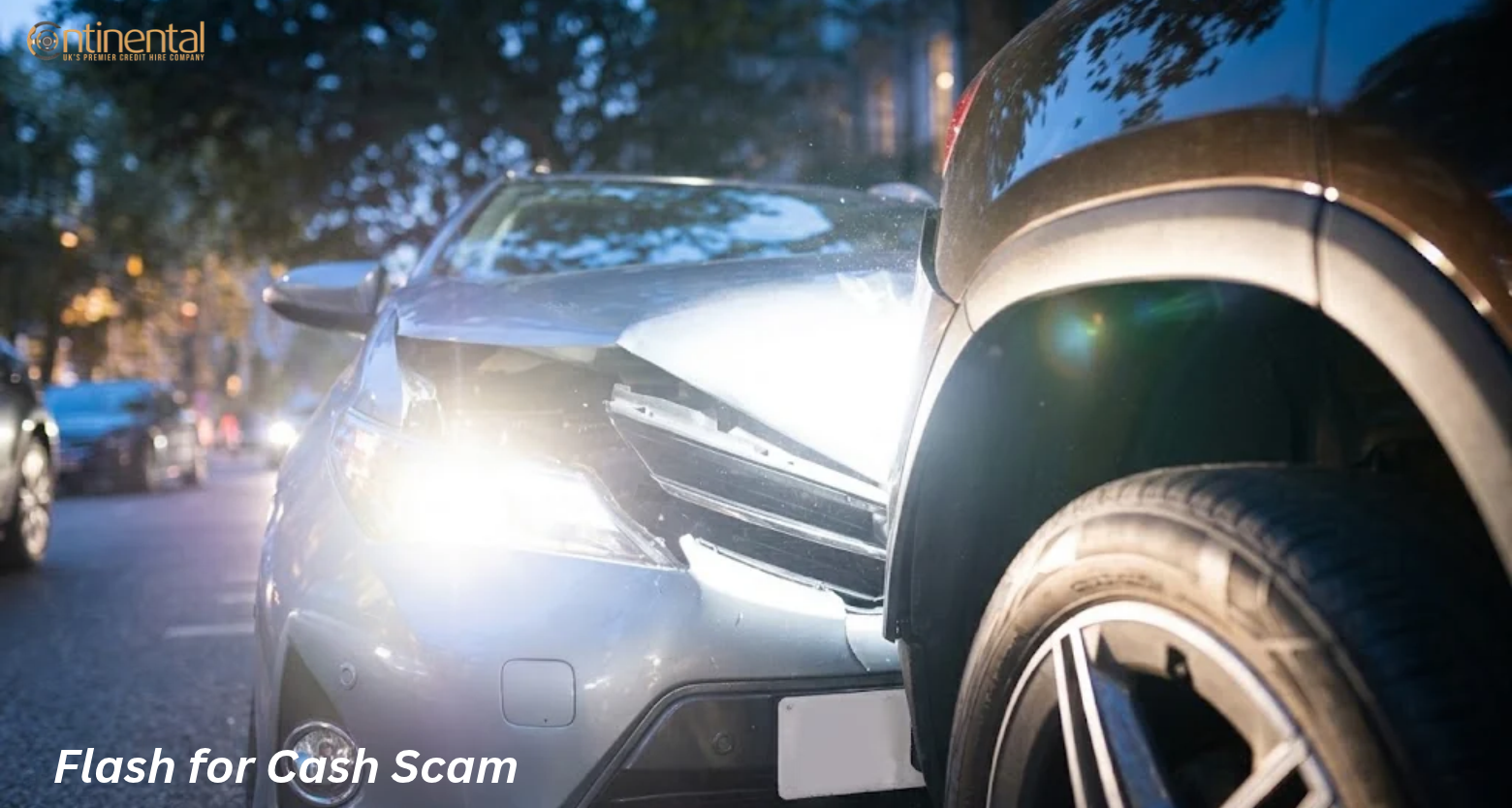
A flash for cash scam is when a driver flashes their lights to make you think it is safe to pull out, then crashes into you on purpose. The scammer wants money from an insurance claim. Never treat a flash as permission to pull out. Check the road yourself, wait for a clear and safe gap, keep a safe distance from unusual drivers, and consider fitting an in-car camera to record your journeys.
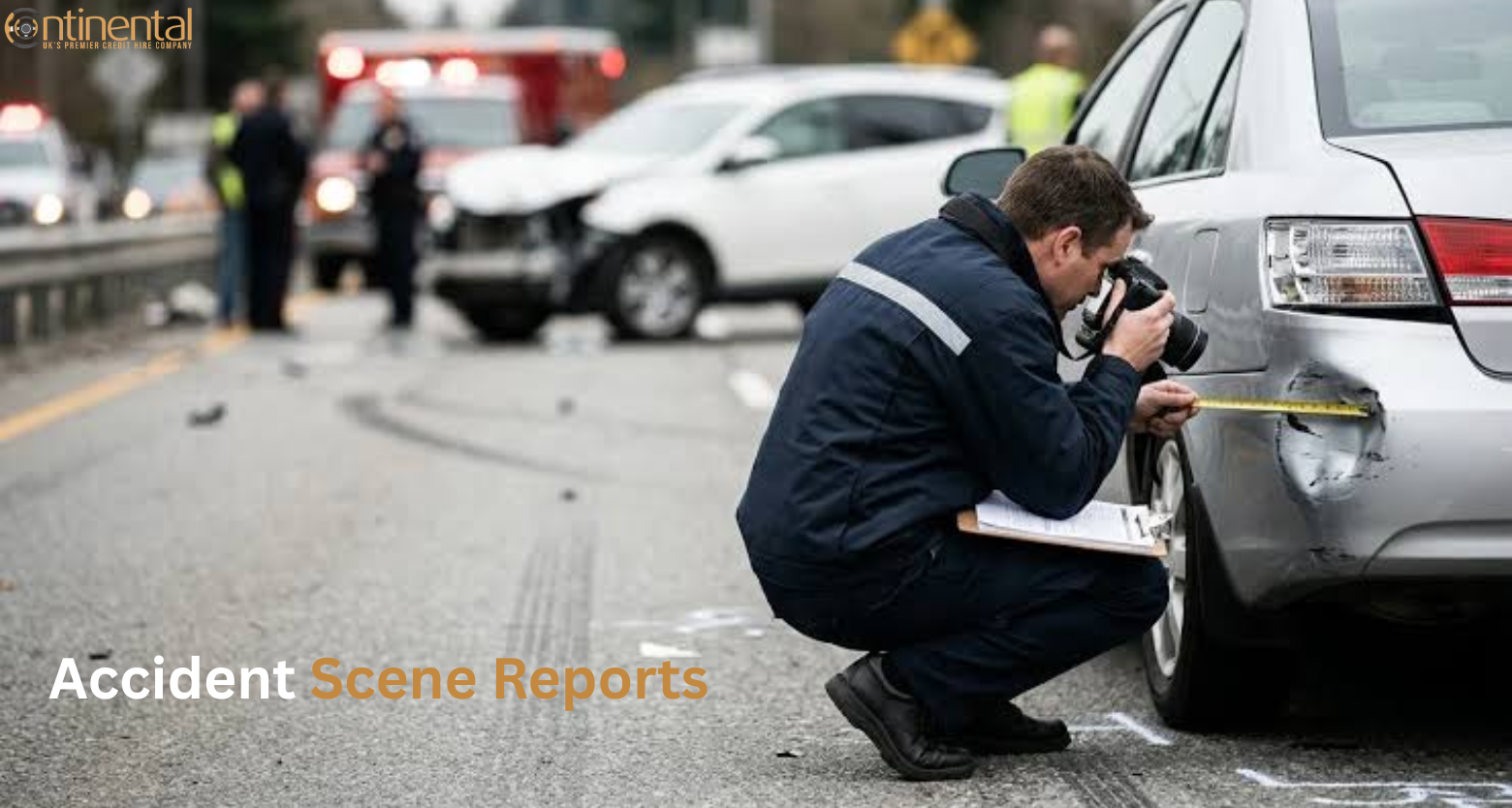
If a crash happens, stay calm, do not admit fault, do not pay cash, and do not argue with the other driver. Take photos and video, save camera footage, note the time and place, speak to people who saw what happened, look for CCTV, and report the incident to your insurer and the police.
This guide explains the scam in more detail, shows how it works, lists the warning signs, and gives you a clear step-by-step plan to follow after a suspected incident.
A flash for cash scam is a planned road trick. A fraudster flashes their headlights at a junction, side road, petrol-station exit, or car park. You may think they are letting you go first.
When you move forward, the fraudster accelerates into your car. They then say you pulled out without looking. This can make you look like the driver at fault.
This is a type of insurance fraud. The scammer may then make an insurance claim for repairs, a hire car, or an injury. Some criminals also use fake passengers who say they were hurt.
Simple rule: A flash from another driver is not permission to go. Only pull out when you can see a safe gap yourself.
You cannot control what other drivers do. But you can lower your risk.
Scammers use a clear pattern. Knowing the steps can help you stay calm and protect yourself.
This scam is one type of crash for cash fraud. In every case, the criminal tries to cause or stage a collision so they can claim money.
Imagine you are waiting at a side road. A car approaching from the left flashes its lights. You move out, but the other driver speeds up and hits the side of your car.
They then say you pulled out without checking. If you have no camera footage, a clear account from someone who saw what happened, or nearby CCTV, it can become your word against theirs. That is why it is important to wait for a safe gap and collect evidence after any suspected scam.
There are several kinds of crash for cash scams. Each one tries to make an innocent driver look responsible.
Scam type | How it works | What to watch for |
Flash for cash | A driver flashes their lights to invite you out, then crashes into you. | Do not treat a flash as permission to go. |
Brake check | A driver brakes suddenly so you hit them from behind. | Leave plenty of distance between your car and the vehicle travelling in front of you. |
Side-road setup | A driver waits near a side road and drives into you when you pull out. | Be careful at quiet junctions and exits. |
Roundabout trap | A driver changes lane or position to force a crash. | Watch for sudden lane changes. |
Clip for cash | A driver says you clipped their car, even when you did not. | Do not pay cash at the roadside. |
Ghost claim | Someone says a crash happened when it did not. | Check any claim letter carefully and tell your insurer. |
Some scams are hard to spot. Still, there are signs that should make you more careful.
If something feels wrong, slow down, keep space, and wait. You do not need to rush because another driver seems impatient.
At the moment of the crash, stay calm. Do not argue or admit fault.
This scam often has these signs:
Do not treat a flash as a signal to move. A driver may flash for many reasons. They may be warning you about something, letting another driver go, or trying to trick you.
Follow these steps:
If you have already begun to move into the road and another car is approaching, stay calm and avoid making a sudden decision. Stay where you are if it is safer, or move only if you have enough time and space.
If you believe the incident was deliberate, take action as soon as it is safe to do so. Good evidence can help your insurer understand what happened.
Use this checklist after a suspected scam:
A dash cam can be one of the best ways to protect yourself. It records what happens on the road, so you do not have to rely only on memory.
A good camera may show:
Choose a camera with clear day and night video, GPS, a time stamp, and automatic save after a bump. A front and rear camera can give even more useful evidence.
Mount the front camera high on the windscreen, behind the mirror, so it has a clear view of the road. Keep the lens clean and check that the date, time, and GPS settings are correct.
Once the collision has happened, take steps to prevent any recording from being deleted or recorded over. Copy the file to your phone, computer, or cloud storage as soon as it is safe to do so. Keep the original file untouched, because insurers and police may need to check when it was created.
Keep in mind that camera evidence does not guarantee a result. But it can give your insurer and the police strong information to review.
Being blamed for a crash you did not cause can feel unfair. The most important thing is to report the facts quickly.
Your insurer may look at:
Do not accept a cash offer at the roadside. Do not sign papers you do not understand. Tell your insurer if someone pressures you.
If the accident was not your fault, you may be entitled to claim for repairs and other related costs. Keep your evidence safe and follow the advice of your insurer.
Expert insight from the Continental Car Hire claims team: “The biggest mistake drivers make is treating a flash as a signal to move. Make your own road decision, stay calm after a crash, and preserve evidence before memories fade or footage is overwritten.”
A flash for cash scam relies on one thing: making you believe another driver has given you permission to move. Do not give them that chance. Check the road yourself, wait for a safe gap, and keep a safe distance from unusual drivers.
If a crash happens, put safety first, avoid blame or cash payments, collect evidence, and report your concerns quickly. Camera footage, photographs, CCTV, and clear notes can make a major difference when insurers and police review what happened.
It means a driver uses a flash to make you pull out. They then crash into you on purpose. Their goal is to blame you and claim money.
No. A headlight flash does not give you permission to enter the road. Wait until you can see a safe gap yourself.
Yes. It is a planned attempt to cause a crash and claim money. It can also involve other driving offences.
Stop safely and check for injuries. Call 999 if anyone is hurt, then take photos and collect details. Notify your insurance provider without delay.
No. Never pay cash or share bank details. Exchange only the insurance details required by law and report the incident.
Yes. A camera can record the other car, the crash, and the road conditions. This information can help confirm your version of events.
Contact your insurance provider without delay. You can also submit a report to the IFB CheatLine. Reports can often be made anonymously.
Stay calm and do not argue. Give your insurer the facts, photos, and any video you have. Let them investigate the claim.
Be careful at junctions and exits. Do not trust a flash as permission to go. Wait for a clear gap and make your own decision.
You might qualify for support if the collision was not your fault. Continental Car Hire Ltd can help eligible drivers arrange a replacement vehicle. This can provide a temporary vehicle while yours is being repaired.
Continental Car Hire Ltd has supported drivers involved in a non-fault accident since 2004. We are authorised and regulated by the Financial Conduct Authority, with firm reference number 711301. Our team helps people manage accident claims and arrange a replacement car after a crash that was not their fault.
Been in a crash that was not your fault?
Call Continental Car Hire Ltd on 020 8743 7469 or email info@continentalcarhire.co.uk. Our office is at 142 Bentworth Road, London, W12 7AH. We can explain the next steps, assess your situation, and help arrange a like-for-like vehicle where eligible.
A non-fault accident car hire UK service gives you a replacement car
A non-fault accident car hire UK service gives you a replacement car
A non-fault accident car hire UK service gives you a replacement car

A non-fault accident car hire UK service gives you a replacement car

A non-fault accident car hire UK service gives you a replacement car
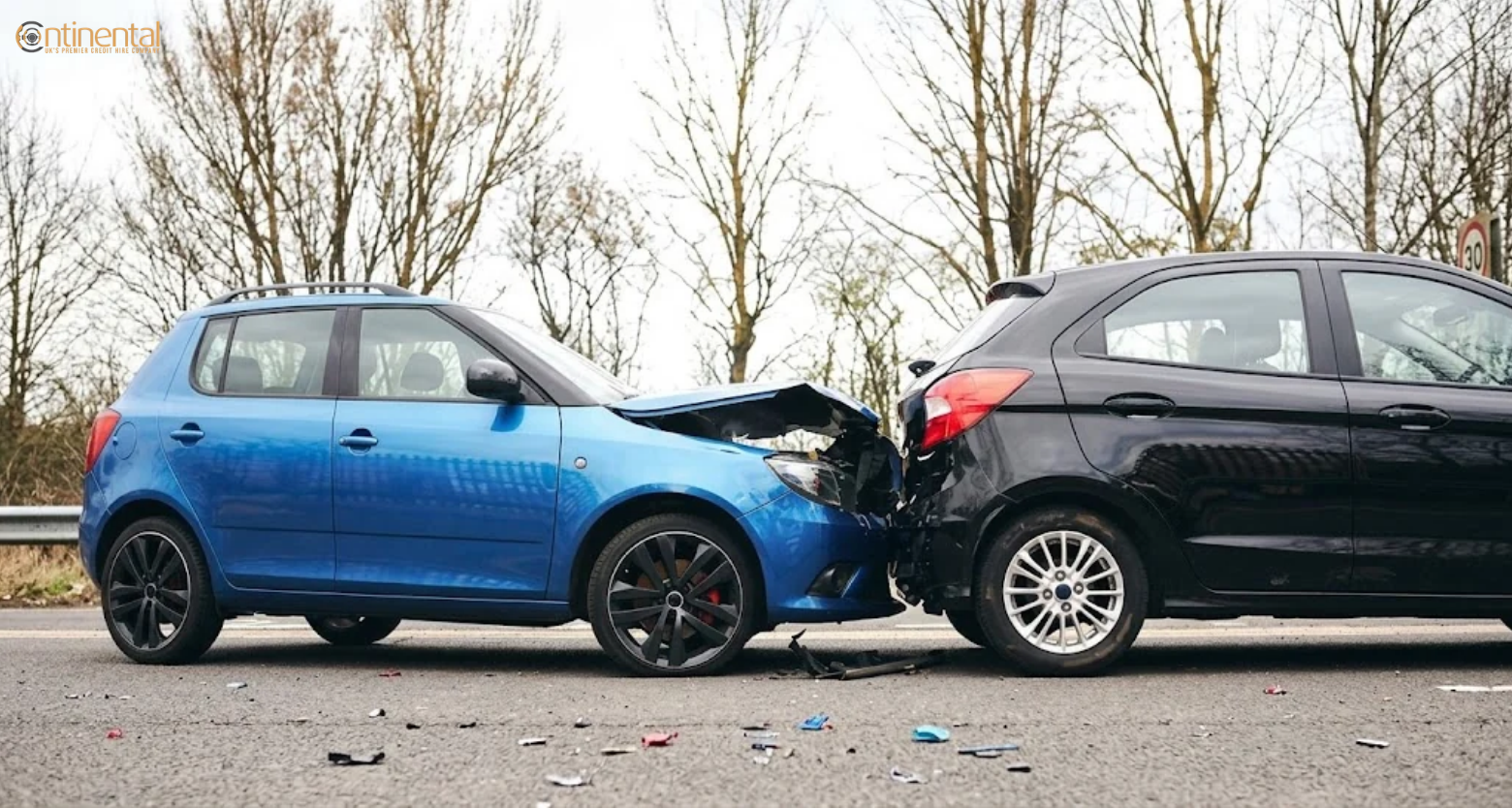
A non-fault accident car hire UK service gives you a replacement car
Copyright © 2026 Continental Car Hire Ltd. All Rights Reserved.
Continental Car Hire Ltd is authorised and regulated by the Financial Conduct authority (FRN 711301)