
Vulnerable Road Users (VRUs): Rights, Safety, and Legal Protection
A non-fault accident car hire UK service gives you a replacement car

Home » Automotive Blog » Business Car Leasing in the UK: Benefits, Costs, and Tax Advantages
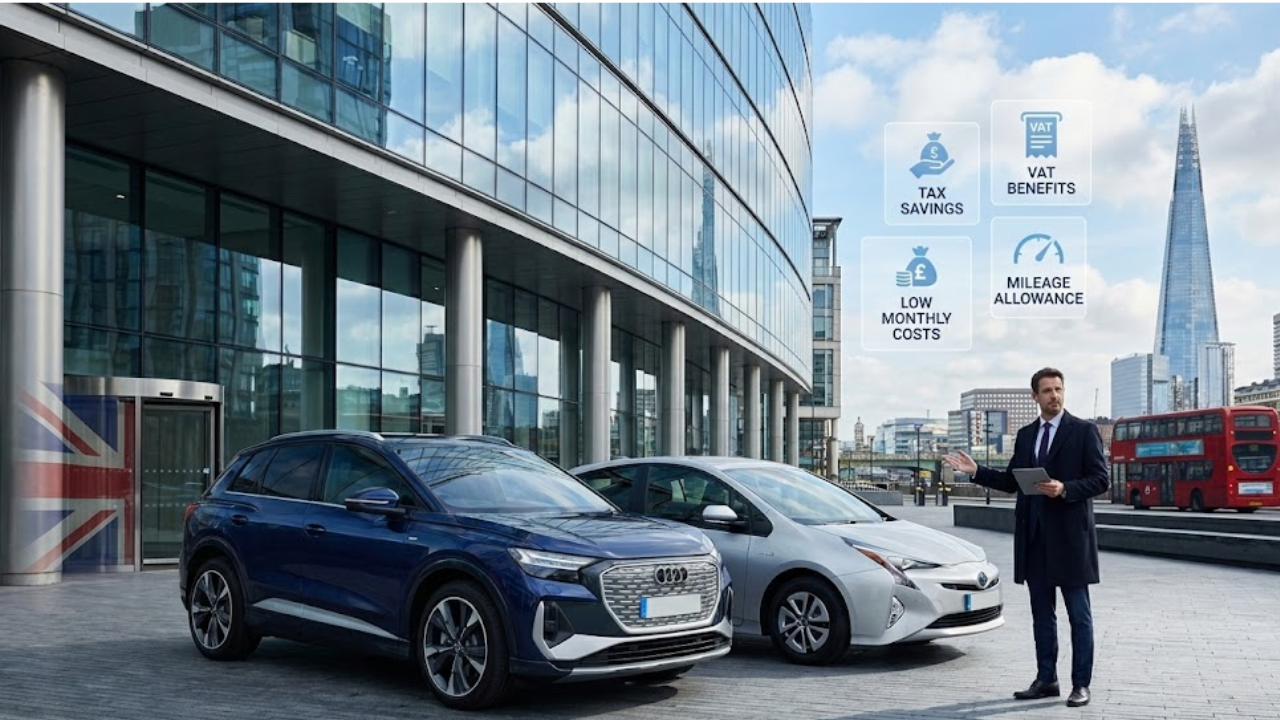
Managing company vehicles efficiently is a critical part of running a business in the UK. Purchasing cars outright can tie up capital that could be invested elsewhere. Business car leasing UK offers a cost-effective, flexible solution for businesses of all sizes, whether you need a single company car or an entire fleet. Leasing provides predictable costs, access to modern vehicles, and valuable business vehicle tax benefits, making it an attractive alternative to ownership.
Business car leasing UK allows companies to rent vehicles for a fixed period, usually 2–4 years, with agreed mileage limits. Instead of purchasing cars outright, businesses pay monthly fees that cover depreciation, maintenance, and sometimes insurance.
There are two main types of leases:
Leasing allows businesses to maintain up-to-date fleets without worrying about the depreciation of vehicles or resale value.
One of the main advantages of leasing is knowing your monthly expenditure in advance. This simplifies budgeting, as businesses won’t be hit with unexpected maintenance or depreciation costs.
Leasing makes it easier for companies to drive modern, reliable vehicles. This not only improves efficiency but also enhances your company’s professional image when employees or clients see the latest models on the road.
Many business leases include maintenance packages that cover servicing, MOT, and repairs. This reduces administrative burden and ensures vehicles remain in top condition without constant oversight.
Leasing comes with significant tax benefits for business vehicles. Monthly lease payments are usually deductible as a business expense, reducing taxable profits. Additionally, VAT on lease payments can often be reclaimed if the vehicles are used solely for business purposes.
Whether leasing a single company car or managing a large fleet, leasing enables businesses to scale their vehicle fleet up or down according to operational needs. This flexibility makes fleet leasing UK an ideal solution for expanding companies.
Several factors influence the cost of a business car lease:
On average, businesses in the UK can expect to pay £150 to £500 per month per vehicle, depending on specifications and services included. For companies managing multiple vehicles, leasing is often more cost-effective than buying, as it avoids significant upfront capital expenditure.
Leasing a business vehicle offers several tax advantages:
These benefits make company car lease and fleet leasing UK attractive options for UK businesses looking to optimise tax efficiency.
When selecting a lease, consider:
By carefully considering these factors, businesses can select the most cost-effective and practical solution for their operations.
Leasing a business vehicle in the UK offers flexibility, cost control, and tax advantages. Whether it’s a single company car lease or fleet leasing UK, leasing allows businesses to focus on growth while maintaining modern, efficient vehicles.
Consult a trusted leasing provider to find the ideal solution for your business and make the most of business vehicle tax benefits. Leasing isn’t just a financial decision; it’s a strategic way to keep your company moving forward with minimal hassle and maximum efficiency.
What is the difference between personal and business car leasing?
Business car leasing is for company use and provides tax advantages. Personal leasing is for private use and doesn’t include deductions.
Can small businesses benefit from fleet leasing?
Yes. Even small businesses can lease multiple vehicles, and fleet leasing often comes with discounts and added services.
Are all lease payments tax-deductible?
Most are deductible, though luxury cars may have limits on allowable deductions.
Can I reclaim VAT on a business car lease?
Yes, if used solely for business purposes. Partial use allows proportional VAT recovery.
What happens at the end of a business car lease?
For operating leases, you return the vehicle. For finance leases, there may be an option to purchase it.
A non-fault accident car hire UK service gives you a replacement car

A non-fault accident car hire UK service gives you a replacement car

A non-fault accident car hire UK service gives you a replacement car

A non-fault accident car hire UK service gives you a replacement car
A non-fault accident car hire UK service gives you a replacement car
A non-fault accident car hire UK service gives you a replacement car
Copyright © 2026 Continental Car Hire Ltd. All Rights Reserved.
Continental Car Hire Ltd is authorised and regulated by the Financial Conduct authority (FRN 711301)