
Whiplash Claim UK: A Complete Guide to Compensation
A non-fault accident car hire UK service gives you a replacement car

Home » Automotive Blog » Can You Get a Like-for-Like Replacement Car After an Accident?
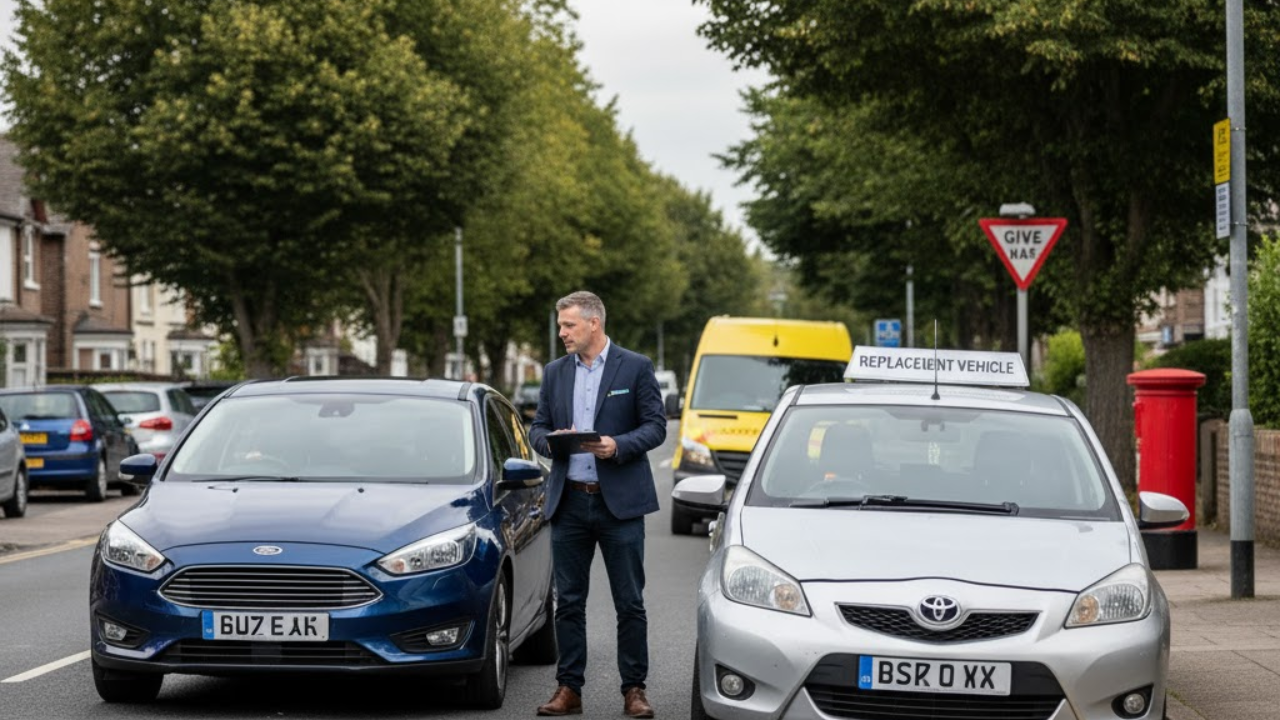
Getting into an accident is stressful enough; the last thing anyone wants is to be left without a vehicle. For many drivers in the UK, one of the first questions after an accident is: “Can I get a like-for-like replacement car?” In other words, can you continue driving a vehicle similar to your own while yours is being repaired or replaced? The short answer is yes, in many cases you can. But specific conditions and differences depend on who was at fault, the type of insurance you hold, and the arrangements of your claim. This guide explains what a like-for-like replacement car really means, your rights under UK law, and what to watch out for when arranging an equivalent car hire after an accident.
A “like-for-like replacement car” is a vehicle that matches your own vehicle in class, type, and general value. It’s not necessarily the exact make or model, but it should offer a similar driving experience and purpose.
For example:
In short, “like-for-like” means a comparable vehicle, not an upgrade or downgrade, though availability can affect what’s offered in practice.
Your entitlement largely depends on who was at fault for the accident.
If another driver caused the accident, you are usually entitled to an equivalent car hire while your own vehicle is off the road. Under UK law, a non-fault driver has the right to be restored to their pre-accident position, which includes having access to a similar car during repairs. Most accident management companies and non-fault claims services in the UK offer like-for-like replacement cars at no cost to you. They recover the hire costs directly from the at-fault driver’s insurer.
Typically, this means:
This arrangement ensures you’re not inconvenienced simply because someone else made a mistake.
When you’re responsible for the accident, your rights depend on your own insurance policy. Many comprehensive policies include a courtesy car, but these are often standard small cars, not like-for-like replacements. To get an equivalent car hire after a fault accident, you’ll need to check if your insurer offers a “guaranteed hire car” or “enhanced courtesy car” add-on. Otherwise, you may have to arrange one privately at your own expense.
The term like-for-like can sound straightforward, but in reality, it’s based on vehicle groups and practicality rather than exact matches. Insurers and hire companies typically work within car categories such as compact, executive, luxury, SUV, or sports and provide something within that group.
For instance:
It’s also worth noting that hire firms must act “reasonably.” You can’t insist on a luxury SUV if your normal car is a basic hatchback. The replacement must reflect your actual vehicle type and use.
In most cases, you can keep the like-for-like hire car for a reasonable period while your vehicle is being repaired or until your insurer finalises the total loss settlement. Once your claim is paid out or repairs are complete, the replacement must be returned promptly. If your car is written off, you typically keep the hire vehicle until you receive your settlement payment or replacement funds, giving you time to buy another car without being stranded.
While like-for-like replacement car services are common, it’s wise to review the terms before signing. Here’s what to check:
Many drivers confuse a courtesy car with a like-for-like replacement, but they are not the same. Courtesy cars, offered by garages or insurers, are often compact runarounds to keep you mobile. A like-for-like car, on the other hand, is specifically matched to your vehicle’s type, offering continuity in comfort, practicality, and status. Another misconception is that every insurer automatically provides a similar car. In fact, most basic insurance policies do not guarantee this. You either need a non-fault accident claim service or specific policy cover.
Having access to an equivalent car hire is not just about convenience; it protects your lifestyle and obligations. Whether you’re a parent needing space for school runs, a business professional attending meetings, or a tradesperson transporting equipment, the right replacement ensures you can maintain your routine without disruption. It also helps preserve your financial position. Without a like-for-like replacement, you might have to rent an expensive car privately or lose income due to a lack of transport.
So, can you get a like-for-like replacement car after an accident in the UK?
Yes, but only under the right circumstances. If you were not at fault, you can usually access a similar hire vehicle free of charge through an accident management company or your insurer’s partner. If the accident was your fault, your options depend on your own cover level. Always check the fine print, confirm liability early, and work with a reputable claim provider to ensure your temporary car truly reflects your own. In the end, the goal is simple: keeping you on the road without compromise, just as before the accident.
A non-fault accident car hire UK service gives you a replacement car
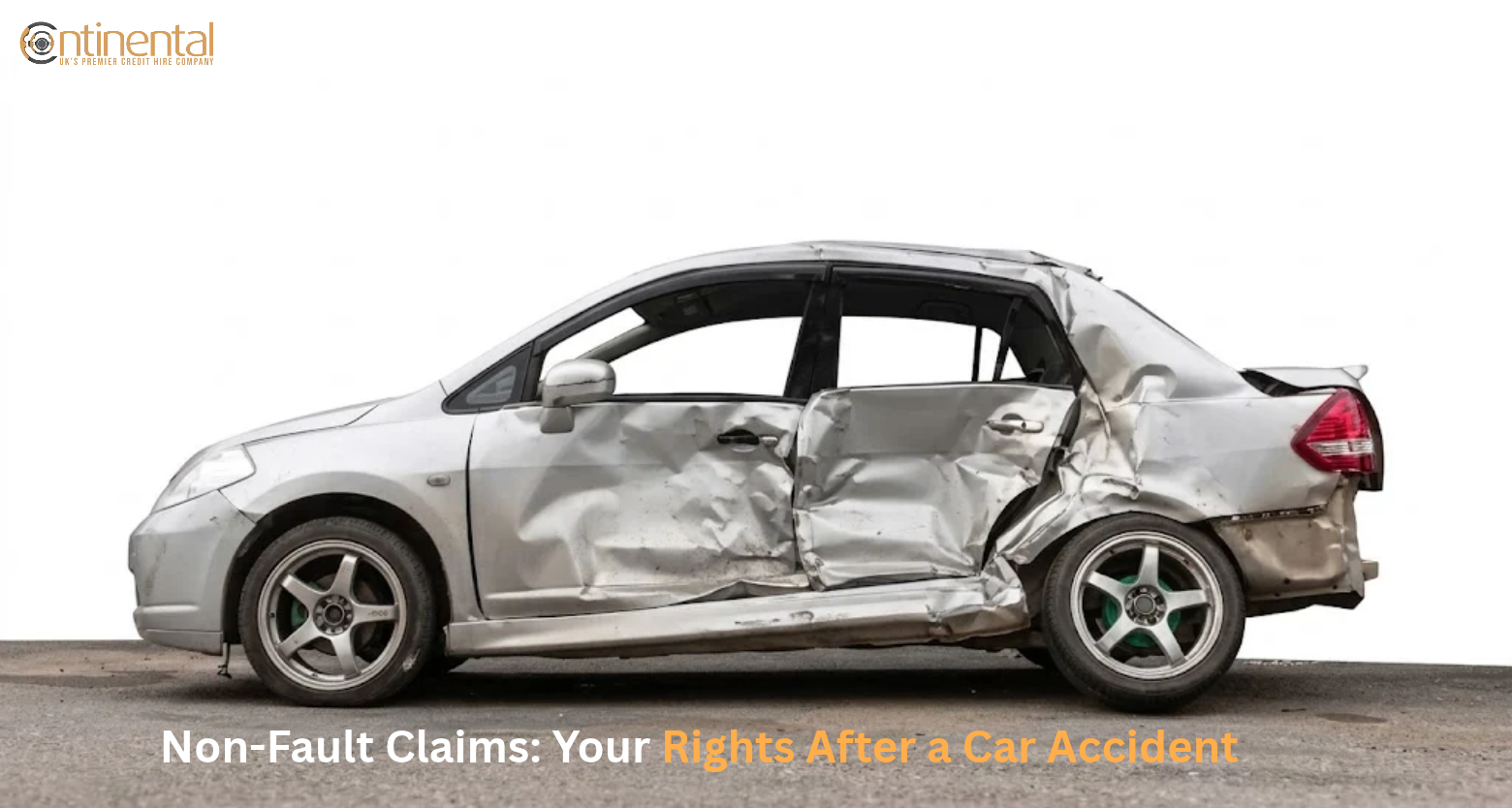
A non-fault accident car hire UK service gives you a replacement car

A non-fault accident car hire UK service gives you a replacement car
A non-fault accident car hire UK service gives you a replacement car
A non-fault accident car hire UK service gives you a replacement car
A non-fault accident car hire UK service gives you a replacement car
Copyright © 2026 Continental Car Hire Ltd. All Rights Reserved.
Continental Car Hire Ltd is authorised and regulated by the Financial Conduct authority (FRN 711301)